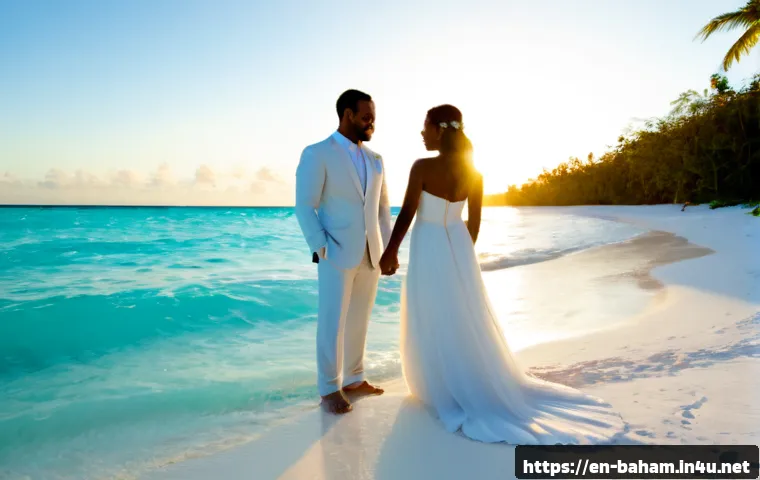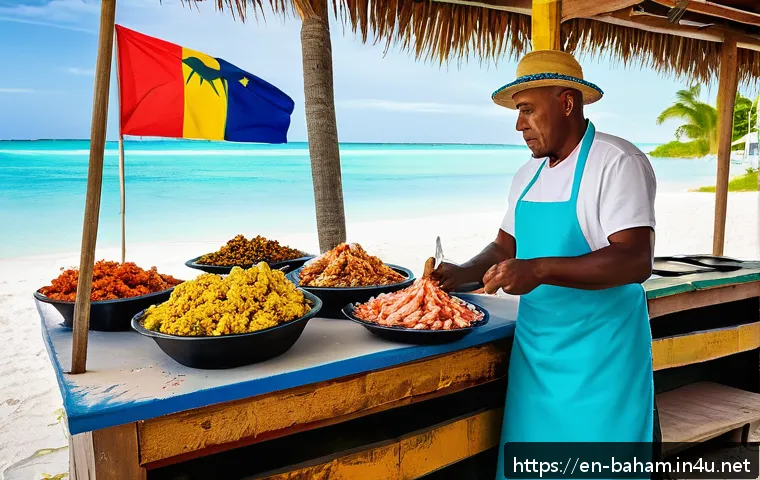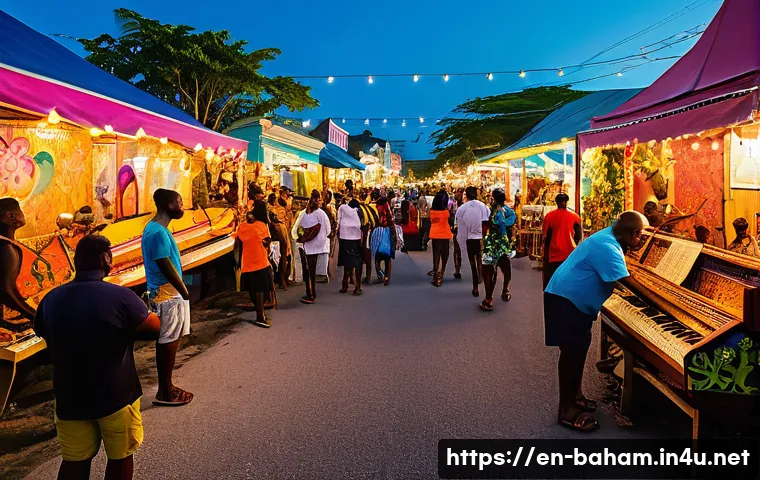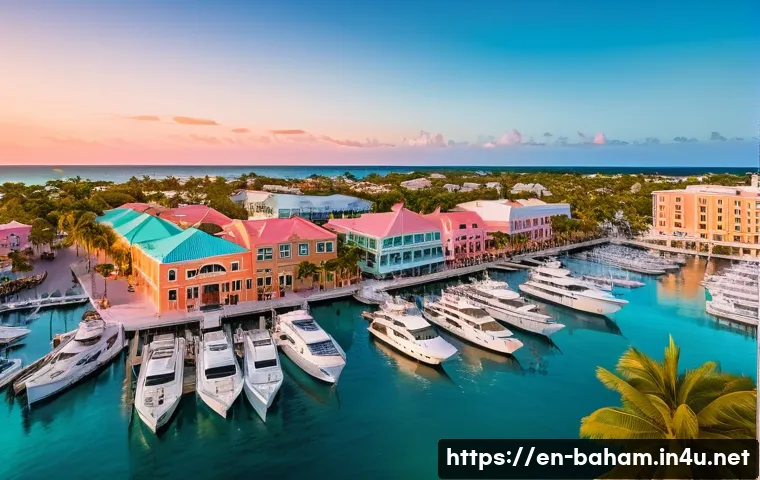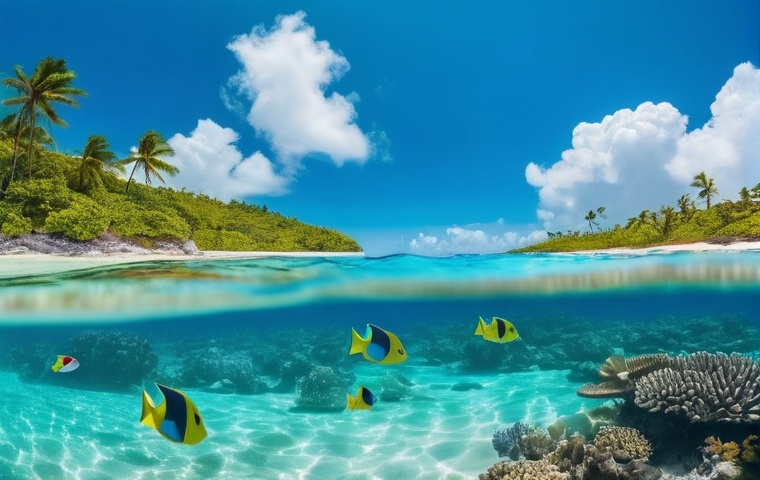
Are you currently scrolling through endless photos of turquoise waters and pristine beaches, dreaming of your next escape to the sun-drenched Bahamas?
I know that feeling all too well! It’s that irresistible pull of paradise, promising relaxation and adventure in equal measure. But here’s the thing many first-time visitors overlook: timing truly is everything when it comes to crafting that perfect Bahamian getaway.
You don’t just want warm weather; you want *the best* weather, ideally with fewer crowds and maybe even a deal or two. I’ve personally navigated the islands during peak season, low season, and everything in between, and let me tell you, there’s a distinct vibe to each period.
From dodging unexpected showers to soaking in the quiet charm of a less bustling island, my experiences have taught me that knowing *when* to go can completely transform your trip from good to absolutely unforgettable.
So, if you’re eager to maximize your sunshine, minimize your waiting, and truly embrace the magic of this Caribbean gem, let’s get into the specifics and ensure your next Bahamian adventure is nothing short of perfect.
We’ll explore all the essential details together.
Chasing Sunshine: Decoding the Weather Calendar

Let’s be honest, when you’re dreaming of the Bahamas, you’re picturing endless sunshine, right? That perfect azure sky mirroring the ocean. And while the islands generally boast fantastic weather year-round, there are definite sweet spots and periods you might want to consider when planning your escape.
I’ve been caught in a few unexpected tropical downpours myself – charming for a few minutes, but not ideal for an entire beach day! From the crisp, clear skies of winter to the balmy, slightly more humid days of summer, each season offers a unique flavor of Bahamian weather.
I’ve spent countless hours under that glorious Bahamian sun, feeling the gentle sea breeze, and I’ve also had to quickly pack up my beach towel when a sudden squall rolled in, reminding me that even paradise has its moments.
Knowing what to expect, weather-wise, can genuinely make or break your ability to truly relax and soak in every bit of island magic. It’s not just about avoiding rain; it’s about finding that perfect balance where the temperatures are just right for both lounging and adventuring, and the ocean feels like a warm embrace.
The Golden Window: Mid-December to Mid-May
This is, without a doubt, peak season for a reason. The weather during these months is generally sublime – think low humidity, comfortable temperatures averaging in the mid-70s to low 80s Fahrenheit (around 24-28°C), and relatively little rainfall.
It’s when the islands truly shine, offering postcard-perfect conditions day after day. My personal experience during this time has always been fantastic; I remember one Christmas trip where every single day was bright and sunny, perfect for snorkeling and exploring.
The trade winds keep things comfortable, even at midday, and the evenings are just cool enough for a light sweater. This is when the water is at its clearest and calmest, making it ideal for all sorts of water activities, from diving the famous Blue Holes to simply floating in the shallows.
The Shoulder Seasons: Late Spring & Early Fall
If you’re looking for a sweet spot that balances great weather with fewer crowds, I highly recommend eyeing late May and early June, or late October and November.
These periods are fantastic for those of us who prefer a slightly quieter vibe without fully committing to hurricane season risks. Temperatures are still wonderfully warm, often creeping into the high 80s (around 30°C), but the humidity isn’t yet at its summer peak.
I’ve found some incredible deals on flights and accommodations during these times, and you get to experience a more relaxed, local side of the Bahamas.
The ocean is still invitingly warm, and while you might encounter a brief afternoon shower, they usually pass quickly, leaving fresh, clean air in their wake.
It’s a fantastic compromise for the savvy traveler.
Navigating the Crowds: Finding Your Serene Slice of Paradise
One of the biggest factors that can impact your Bahamian experience, beyond the weather, is the sheer number of fellow travelers you’ll encounter. Trust me, there’s a distinct difference between having a quiet stretch of beach almost to yourself and jockeying for a spot by the pool.
I’ve personally experienced both extremes – from battling throngs of cruise ship passengers to enjoying a remarkably peaceful stroll along a deserted shore.
The atmosphere of an island can completely shift based on how many people are sharing its beauty with you. If your idea of paradise involves uninterrupted tranquility and the ability to truly unwind without constant background chatter, then understanding crowd dynamics is absolutely essential.
It’s about more than just personal preference; it can affect everything from restaurant wait times and tour availability to the overall feeling of escape you’re chasing.
Peak Season Buzz: December to April
As you might expect, when the weather is at its most idyllic, so are the crowds. From late December through April, especially during school holidays, spring break, and major U.S.
holidays like Presidents’ Day and Easter, the Bahamas really fills up. Resorts are often fully booked, popular restaurants require reservations well in advance, and excursions can sell out quickly.
My first trip to Nassau during spring break was an eye-opener – vibrant, energetic, but definitely bustling! If you thrive on that lively, social energy and don’t mind a bit of a crowd, this can be an incredibly fun time.
But if you’re like me and prefer a bit more space, you’ll need to be strategic, perhaps venturing to less-trafficked islands or booking everything far in advance.
Summer Slowdown: June to November
Conversely, the summer and early fall months, which align with hurricane season, see a significant drop in visitor numbers. This is often referred to as the “off-season” or “low season.” While the weather can be hotter and more humid, with a higher chance of rain or even tropical storms, the upside is significantly fewer crowds.
I remember a truly magical trip to Eleuthera in July where we practically had entire beaches to ourselves – it felt like our own private island! Many resorts offer fantastic deals during this time, and you’ll find a much more relaxed, authentic local atmosphere.
If you’re willing to take a slight gamble on the weather (and perhaps invest in travel insurance), this can be an incredibly rewarding time to visit for peace and quiet.
Unlocking Value: When Deals and Discounts Emerge
Let’s talk about the practical side of things, because a dream vacation shouldn’t break the bank, right? The cost of a Bahamian getaway can fluctuate dramatically depending on when you decide to pack your bags.
I’ve seen prices for the exact same resort room vary by hundreds of dollars just by shifting travel dates a few weeks. It’s not just about airfare and accommodation either; everything from tours to dining experiences can be influenced by the ebb and flow of tourist traffic.
Understanding these financial cycles is crucial for any budget-conscious traveler looking to maximize their experience without overspending. After all, finding a great deal means you might have more left over for those incredible excursions or a few extra Bahama Mamas!
The Costly Comforts: Peak Season Pricing
During the prime months of mid-December to mid-May, you’ll generally find the highest prices across the board. Airlines, hotels, and even some tour operators capitalize on the perfect weather and high demand.
This is when you’ll pay top dollar for that beachfront suite. I’ve often advised friends planning trips during this period to book as far in advance as humanly possible – sometimes six months to a year out – to lock in better rates.
Last-minute deals are almost non-existent during these high-demand times, so if you’re set on a winter escape, be prepared to pay a premium. It’s the price of guaranteed sunshine and bustling energy.
Savvy Savings: Shoulder and Off-Season Perks
If you’re a value hunter, like I often am, then the shoulder seasons (late May-early June, late October-November) and the official low season (June-October) are where you’ll find the sweetest deals.
Many resorts offer promotional rates, package deals, and sometimes even incentives like resort credits during these times to attract visitors. Airfares also tend to drop significantly outside of peak periods.
I once snagged an incredible all-inclusive package in July that was nearly 40% cheaper than the identical package in March – a huge saving! While you might contend with warmer temperatures or the chance of a tropical shower, the financial benefits can be substantial, allowing you to splurge on other aspects of your trip, like a private boat charter or a gourmet dining experience.
Embracing Island Events: Festivals and Celebrations
Beyond the weather and the crowds, there’s another vibrant layer to choosing your travel dates: the incredible cultural events and festivals that punctuate the Bahamian calendar.
I’ve always said that experiencing a local festival is like getting a backstage pass to the true heart and soul of a destination. It’s where you truly connect with the culture, the music, the food, and the incredible spirit of the Bahamian people.
Missing out on these can feel like missing a crucial piece of the puzzle, especially if you’re someone who loves to immerse themselves in local traditions.
From the rhythmic beats of Junkanoo to sailing regattas, these events offer unique perspectives and unforgettable memories that you simply won’t get from a standard resort stay.
Junkanoo: The Heartbeat of Bahamian Culture
If there’s one event I would tell everyone to try and experience, it’s Junkanoo. This vibrant, energetic street parade, brimming with music, dance, and elaborate costumes, usually takes place on Boxing Day (December 26th) and New Year’s Day (January 1st).
It’s an explosion of color and sound that truly needs to be seen to be believed. I was lucky enough to catch the New Year’s Day parade in Nassau once, and the energy was absolutely electric – drums pounding, cowbells clanging, and the most intricate costumes I’ve ever seen.
It’s an unforgettable cultural immersion and a perfect reason to visit during the winter holidays if you’re looking for an authentic Bahamian experience.
Regattas and Local Celebrations
Throughout the year, especially during the spring and summer months, various islands host local regattas and community festivals. These events often showcase traditional Bahamian sloop sailing, local music, food, and crafts.
The National Family Island Regatta in Georgetown, Exuma, usually held in April, is a prime example. I’ve found these smaller, local gatherings to be incredibly charming and a wonderful way to interact with Bahamians outside of the main tourist hubs.
They offer a more laid-back, authentic experience compared to the larger, more commercial events, and are perfect for those who enjoy discovering the quieter joys of island life.
Beyond the Forecast: My Personal Take on Seasonality
After numerous trips, countless sunrises over turquoise waters, and even a few unexpected detours due to weather, I’ve developed my own nuanced perspective on when to visit the Bahamas.
It’s not just about looking at a calendar and picking the “best” month; it’s about aligning your personal travel style and priorities with what each season genuinely offers.
The pristine weather of winter is undeniably appealing, but the peaceful solitude I’ve found during a slightly warmer, less crowded summer visit has its own distinct charm.
I’ve learned that sometimes, the magic isn’t just in the perfect conditions, but in the unexpected moments and the unique rhythms of island life you discover when you venture off the beaten path, or off the typical tourist timeline.
Finding Your Flow: My Preferred Times
For me, the sweet spot often falls into the shoulder seasons. I absolutely love late May or early June. The ocean has warmed up beautifully, the initial rush of spring breakers has subsided, and you can really feel the islands exhale.
It’s warm enough for constant swimming, but not yet stiflingly humid. Plus, the prices start to become a bit more agreeable, which is always a bonus! I also have a soft spot for late October/early November.
The slight crispness in the air after the summer heat, the beautiful clear water, and the knowledge that the hurricane season is winding down often make for surprisingly serene and beautiful trips.
You get fantastic weather without the peak season price tag.
Embracing the Unexpected: Why Every Season Has Charm
Even during the so-called “off-season” of summer and early fall, there’s an undeniable allure. Yes, it’s hotter, and yes, there’s a higher chance of rain, but I’ve experienced some truly breathtaking sunsets and vibrant tropical life during these months.
The islands often feel more lush and alive, and the sense of having a place almost to yourself can be incredibly liberating. I remember one August trip to Harbour Island where a brief, intense rain shower transformed the landscape into an even more vibrant tapestry of greens before the sun burst through again, making the pink sand beaches sparkle.
It reminded me that even imperfections can add to the unique story of your trip. Don’t discount these times entirely, especially if solitude and value are high on your list.
Here’s a quick overview to help you visualize the different seasons:
| Season | Months | Weather | Crowds | Pricing | My Takeaway |
|---|---|---|---|---|---|
| Peak Season | Mid-Dec to Mid-May | Warm, sunny, low humidity (avg. 75-80°F/24-27°C) | High, especially holidays & Spring Break | Highest rates | Perfect weather guarantee, but book *everything* early! |
| Shoulder Season (Spring) | Late May to Early June | Warm, increasing humidity (avg. 80-85°F/27-29°C) | Moderate, post-Spring Break lull | Moderate, some deals emerge | Great balance of weather and fewer people. My personal favorite! |
| Low/Hurricane Season | June to October | Hot, humid, rainy, hurricane risk (avg. 85-90°F/29-32°C) | Low, quietest period | Lowest rates, best deals | Value and solitude, if you’re weather-flexible. Get insurance! |
| Shoulder Season (Fall) | Late Oct to Nov | Warm, decreasing humidity, cooling (avg. 80-85°F/27-29°C) | Moderate, pre-holiday calm | Moderate to good deals | Excellent for a peaceful escape before winter rush. |
Water Wisdom: Diving, Snorkeling, and Boating Conditions
For many of us, the allure of the Bahamas isn’t just about lounging on pristine beaches – it’s about plunging into those impossibly clear turquoise waters.
Whether you’re a seasoned diver, a casual snorkeler, or someone dreaming of sailing through the cays, the conditions beneath and on the surface of the ocean can drastically impact your experience.
I’ve had dives where the visibility was so incredible it felt like flying, and others where strong currents or choppier seas made things a bit more challenging.
Understanding how the seasons affect water clarity, temperature, and overall calmness is absolutely vital for planning your aquatic adventures. It’s about ensuring those underwater memories are truly magical, not just a struggle against the elements.
Crystal Clear Depths: Winter’s Underwater Magic
The period from December to May is generally regarded as the best for diving and snorkeling. The cooler air temperatures bring less rainfall, which means less runoff clouding the coastal waters, leading to exceptional visibility.
I’ve personally experienced visibility exceeding 100 feet during a February dive, making it easy to spot every vibrant reef fish and intricate coral formation.
The water temperatures are comfortable, typically in the mid-70s Fahrenheit (around 24°C), making a wetsuit optional for many, but definitely recommended for longer dives.
The calmer seas during these months also mean smoother boat rides to remote dive sites and less chance of seasickness for those prone to it.
Warmer Waters, Potential for Adventure: Summer’s Aquatic Allure
While the summer months (June to October) see an increase in air temperature and humidity, the ocean water becomes wonderfully warm, often reaching the low to mid-80s Fahrenheit (around 28-30°C).
This means you can comfortably snorkel and dive without a wetsuit, which is a huge plus for some. While there might be more rainfall and potentially choppier conditions if a tropical system is brewing, many days offer perfectly calm waters and excellent visibility, especially in the mornings.
I’ve had some truly fantastic summer snorkeling trips where the warm water felt like a bath, and the marine life was incredibly active. Just be mindful of local forecasts, as visibility can decrease temporarily after heavy rains.
Packing Smart: What to Bring for Each Season
It might seem like a minor detail, but trust me, packing wisely for the Bahamas can significantly enhance your comfort and enjoyment. I’ve been that person who forgot the bug spray and spent an evening scratching, or who packed too many heavy clothes only to sweat through them.
The islands’ climate, while generally pleasant, shifts enough throughout the year that a “one-size-fits-all” packing strategy just won’t cut it. Thinking ahead about what you’ll wear, what essentials you’ll need for specific activities, and how to protect yourself from the elements is crucial.
It’s about being prepared for anything the Bahamian weather decides to throw your way, ensuring your focus remains on relaxation and adventure, not on a forgotten item.
Winter Essentials: Layers and Light Protection
For trips between December and May, while the days are glorious, the evenings can have a slight chill, especially if you’re dining outdoors or enjoying a sunset cruise.
I always pack a light sweater or a stylish shawl for these times. Sun protection is non-negotiable year-round, but with less humidity, you might feel the sun’s intensity even more.
Think wide-brimmed hats, high SPF reef-safe sunscreen, and UV-protective swimwear. Comfortable sandals are a must, along with a pair of closed-toe shoes if you plan on exploring any of the national parks or more rugged terrain.
And don’t forget your reusable water bottle – staying hydrated in the Caribbean sun is key!
Summer Savvy: Breathable Fabrics and Rain Gear
When visiting during the hotter, more humid months from June to November, your packing list shifts slightly. Prioritize lightweight, breathable fabrics like linen and cotton.
Loose-fitting clothing will be your best friend. While rain showers are often brief, they can be intense, so a lightweight, packable rain jacket or a small umbrella can be a lifesaver – I’ve definitely made good use of mine!
Mosquito repellent becomes even more essential, especially in the evenings or if you’re venturing near mangroves. And while the water is warm, consider packing quick-drying swimwear and a few extra changes of clothes since humidity can make drying times longer.
To Conclude
So, when’s the absolute best time to visit the Bahamas? Honestly, it really boils down to what *you* value most in a getaway. Are you chasing picture-perfect weather and don’t mind the bustling energy of peak season, or do you crave solitude and a bargain, even if it means a higher chance of a tropical shower?
Every season here offers a unique blend of experiences, and after countless visits, I’ve learned that the magic of these islands shines through, no matter the month, as long as you’re prepared and open to its rhythm.
Useful Information to Know
1. Travel Insurance is Your Friend: Especially if you’re traveling during hurricane season (June to November), securing comprehensive travel insurance that covers cancellations and medical emergencies is a smart move. It offers peace of mind against unexpected weather events or other unforeseen circumstances, ensuring your investment is protected. Don’t leave home without it; I’ve personally seen how quickly plans can change in the tropics, and having that backup is invaluable.
2. Book Early for Peak Season: If your heart is set on experiencing the Bahamas during its prime, dry season from December to May, I can’t stress this enough: book your flights, accommodations, and popular excursions well in advance. Prices will be higher, and availability will be limited, so locking things in 6-12 months ahead can save you both stress and money. I’ve heard too many stories of friends missing out on their dream resort because they waited too long.
3. Explore Beyond the Main Islands: While Nassau and Grand Bahama are fantastic, consider venturing to the Family Islands (Out Islands) like Eleuthera, Exuma, or Harbour Island for a more serene and authentic Bahamian experience. These islands often offer incredible natural beauty, fewer crowds, and a chance to truly connect with the local culture. My trips to Eleuthera have always felt like a true escape, offering quiet beaches and genuine island charm that’s hard to find in busier spots.
4. Embrace the Local Cuisine: Beyond the resort restaurants, make sure to seek out local eateries for authentic Bahamian flavors. Try conch fritters, cracked conch, fresh grilled fish, and a classic Bahama Mama. These local spots not only offer delicious food but also a glimpse into the heart of the island’s culture and a chance to mingle with the friendly locals. Trust me, the fresh catch of the day from a small beachfront shack is usually the best meal you’ll have.
5. Sun Protection is Paramount: The Bahamian sun is intense year-round, even on cloudy days. Always use reef-safe sunscreen with a high SPF, wear a wide-brimmed hat, and use UV-protective clothing. Staying hydrated by drinking plenty of water is also crucial. I’ve made the mistake of underestimating the sun once or twice, and a bad sunburn can definitely put a damper on your vacation fun. Protect your skin and enjoy the sunshine responsibly!
Key Takeaways
Ultimately, the “best” time for your Bahamian adventure hinges on your personal priorities – whether it’s flawless weather, fewer crowds, budget-friendly travel, or immersing yourself in local culture.
While peak season offers guaranteed sunshine, the shoulder and off-seasons present unique advantages, from incredible deals to a more tranquil, authentic island experience.
By understanding these seasonal nuances, you can tailor your trip to perfectly match your ideal escape, ensuring every moment in this stunning archipelago is exactly what you dreamed of.
Frequently Asked Questions (FAQ) 📖
Q: So, what’s the absolute sweet spot to visit the Bahamas, where the weather is heavenly and the crowds aren’t overwhelming?
A: Oh, I totally get this question – it’s the golden ticket for any traveler! From my personal experience, and having been there during every season, I’d confidently say the shoulder seasons are where you’ll find that perfect blend of gorgeous weather and fewer crowds.
Think late April to May, and then again from late October to mid-December. The official “peak season” is December to mid-April, and while the weather is undeniably perfect then (sunny, dry, 75-85°F), the prices soar, and places like Nassau and Paradise Island can feel pretty packed.
It’s lively, sure, but sometimes you just want that quiet stretch of beach to yourself, right? During those shoulder months, you’re catching the tail end of the dry, cooler temperatures or just before the absolute peak of hurricane season.
For instance, in May, the weather is still wonderfully warm, perfect for swimming and diving, but those winter break crowds have dispersed, giving you more space to breathe and enjoy the crystal-clear waters.
I’ve found that you still get plenty of sunshine, but those brief, refreshing afternoon showers become a bit more common as you head into summer, which honestly, can be a welcome cool-down.
Plus, a huge bonus? Flights and accommodations start to become more affordable, giving you more bang for your buck on those delicious conch fritters and refreshing Sky Juice cocktails!
Q: What’s the deal with hurricane season in the Bahamas? Is it truly a “no-go,” or are there hidden gems in traveling during that time?
A: Ah, hurricane season – the big question mark for so many travelers! The official hurricane season runs from June 1st to November 30th, with the highest risk traditionally in August, September, and early October.
Now, I won’t sugarcoat it: there’s definitely an increased risk of tropical storms and hurricanes during this period. I’ve had a couple of trips where we kept a very close eye on the weather, and once, we had to adjust our plans slightly due to a passing system.
However, saying it’s a complete “no-go” would be missing out on some incredible opportunities! Here’s the silver lining: this is the low season, which means significantly fewer tourists and some seriously amazing deals on flights and hotels.
If you’re flexible and a bit adventurous, it can be a fantastic time to visit. I’ve personally experienced stunning, clear-sky days in July and early November, almost feeling like I had a private island.
The water is incredibly warm, ideal for snorkeling and diving, and you often find incredible packages. The key is being prepared and staying informed.
Always, always invest in good travel insurance that covers weather-related disruptions, keep an eye on weather forecasts from reliable sources like the National Hurricane Center, and choose reputable resorts that have solid hurricane plans in place.
If you’re eyeing a quiet, budget-friendly escape, the early parts of hurricane season (June) or the very end (late November) tend to be less active and can be truly magical.
Q: I’m dreaming of the Bahamas but also want to be smart with my money. What are your best insider tips for scoring great deals and avoiding peak prices, regardless of when I go?
A: Okay, this is my jam! As someone who loves a good deal almost as much as a perfect beach day, I’ve got some strategies that have saved me a ton over the years.
First and foremost, if your schedule allows, aim for the low season (August to November) or the shoulder seasons (May to early June and late October to mid-December).
This is when demand dips, and hotels and airlines roll out some seriously tempting offers. I’ve personally found unbelievable resort credits and “stay X nights, get Y free” deals during these times, which makes a huge difference to your overall budget.
Beyond timing, here are my go-to “money-smart” moves:
Be Flexible with Your Dates: Even shifting your trip by a few days can sometimes unlock a completely different price tier.
I always check a few weeks around my ideal dates. Bundle Up: Look for vacation packages that combine flights, hotels, and sometimes even a rental car.
These often come with a built-in discount compared to booking each element separately. It’s like a secret handshake to better savings! Consider the Out Islands: While Nassau and Paradise Island are fantastic, exploring some of the less-trafficked Family Islands can often be more budget-friendly.
You might find charm and authentic experiences at a fraction of the cost. Book in Advance (for Peak) or Last Minute (for Off-Peak): For peak season travel, booking well in advance (6-12 months out) is crucial to lock in decent rates before they skyrocket.
For low season, I’ve sometimes snagged incredible last-minute deals when resorts are trying to fill rooms. It’s a bit of a gamble, but the payoff can be huge!
Sign Up for Alerts: Get on email lists for major airlines and Bahamian resorts. They often send out flash sales that disappear quickly. My inbox is full of them, and sometimes, boom, a deal pops up!
Remember, the Bahamas experience isn’t just about luxury; it’s about the sun, the sea, and the friendly vibes. With these tips, you can absolutely enjoy paradise without feeling like you’ve drained your savings account.