As the Bahamas navigates the economic waves of 2024, fresh opportunities and challenges are reshaping its financial landscape. From innovative tourism strategies to expanding offshore finance, the islands are positioning themselves for sustainable growth amid global uncertainties.

Whether you’re an investor, entrepreneur, or simply curious about Caribbean economies, understanding these key trends offers valuable insights. Let’s dive into how the Bahamas is unlocking new pathways to prosperity and what this means for the region’s future.
Stick around—there’s a lot more to explore beyond the sun and sand.
Embracing Digital Innovation in the Financial Sector
Adapting to Fintech Trends
The Bahamas has been making significant strides in integrating fintech solutions to modernize its financial services. From digital payments to blockchain applications, local institutions are increasingly embracing technology to improve efficiency and security.
Having observed firsthand how some banks now offer seamless mobile banking experiences, it’s clear that these advancements are not just theoretical but actively reshaping daily transactions.
This shift is critical as it attracts younger, tech-savvy investors and entrepreneurs who demand convenience and speed. Moreover, regulatory bodies have been proactive in establishing frameworks that balance innovation with consumer protection, which boosts overall confidence in the system.
Growth of Offshore Banking and International Trusts
Offshore finance remains a cornerstone of the Bahamian economy, with the islands continuing to be a preferred destination for international trusts and wealth management.
What stands out this year is the enhanced focus on compliance with global transparency standards, which some might see as a challenge but actually opens doors to more reputable clientele.
From my conversations with financial advisors, the emphasis on due diligence and anti-money laundering measures has strengthened the Bahamas’ position as a secure and reliable jurisdiction.
This evolution reflects a maturity in the sector, balancing traditional privacy benefits with modern regulatory demands.
Challenges and Opportunities in Cryptocurrency Adoption
Cryptocurrency has been a hot topic worldwide, and the Bahamas is no exception. The government’s cautious but open stance towards digital currencies, including the launch of the Sand Dollar, the Bahamas’ central bank digital currency (CBDC), marks an innovative step forward.
While there are hurdles related to public education and infrastructure, the potential benefits for financial inclusion and cross-border transactions are immense.
In practical terms, this means that both businesses and residents can expect more streamlined payments and reduced transaction costs over time, though it’s still early days and the ecosystem requires ongoing refinement.
Revitalizing Tourism with Sustainable Practices
Shifting Toward Eco-Friendly Resorts
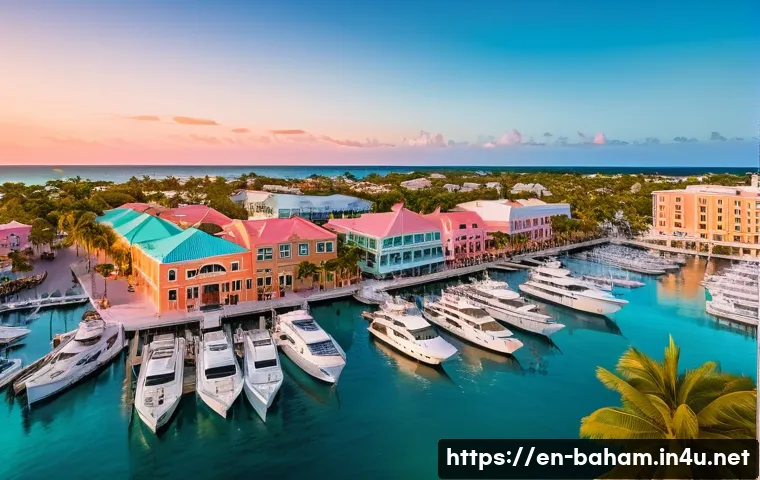
Tourism is undeniably the lifeblood of the Bahamas, and this year the focus is on sustainability. Many resorts are adopting green technologies, such as solar power and water conservation systems, not just to reduce their environmental footprint but also to appeal to the growing segment of eco-conscious travelers.
From my recent stay at a boutique resort that prioritizes local sourcing and waste reduction, it’s evident that guests appreciate these efforts. This trend not only aligns with global environmental concerns but also helps preserve the natural beauty that draws visitors in the first place.
Diversifying Tourist Experiences Beyond Beaches
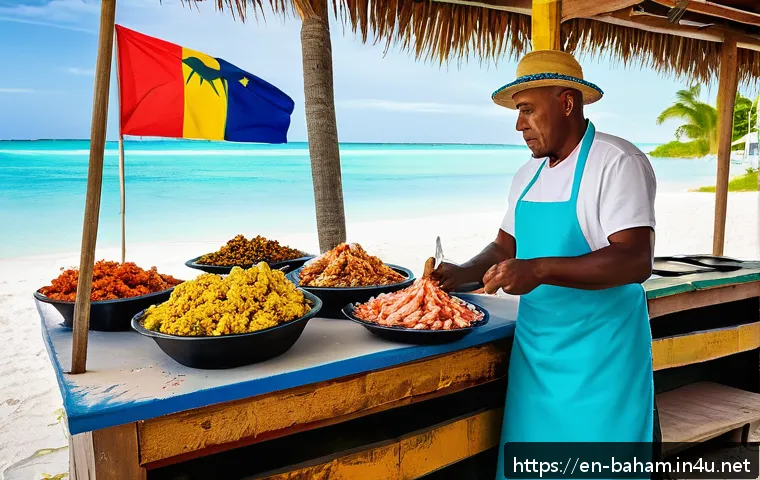
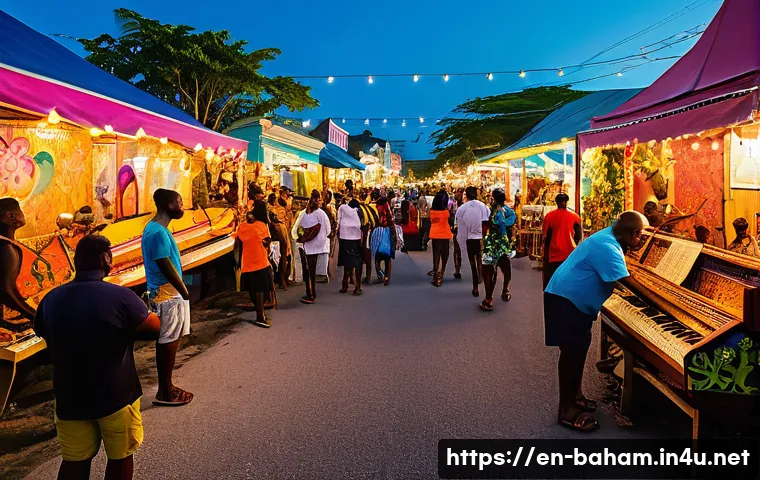
While pristine beaches remain a major attraction, the Bahamas is expanding its tourism offerings to include cultural tours, culinary experiences, and adventure sports.
This diversification caters to a broader demographic, including younger travelers looking for authentic and immersive activities. Local entrepreneurs have been quick to capitalize on this shift by developing guided eco-tours, fishing expeditions, and craft markets.
Such initiatives not only extend visitors’ length of stay but also spread economic benefits more evenly across communities.
Leveraging Technology to Enhance Visitor Engagement
The integration of technology into tourism services is another promising development. From virtual reality previews of attractions to AI-powered concierge apps, the customer experience is becoming more personalized and interactive.
I’ve noticed that several tour operators now offer app-based booking and real-time updates, which greatly improve convenience and satisfaction. These tools also allow businesses to collect valuable data to tailor their offerings, ultimately driving repeat visits and positive word-of-mouth.
Strengthening Infrastructure for Long-Term Growth
Investing in Transportation Networks
Reliable transportation is crucial for economic expansion, and the Bahamas has been actively upgrading its infrastructure. Recent projects include the modernization of airports and improvements to ferry services connecting the islands.
During a recent trip, the smoother airport experience and faster inter-island connections were noticeable, making travel less stressful for both locals and tourists.
These enhancements facilitate commerce and tourism alike, creating a more integrated and accessible archipelago.
Enhancing Energy Security and Sustainability
Energy remains a critical factor for development, and the push toward renewable sources is gaining momentum. Solar farms and wind projects are gradually reducing dependence on imported fossil fuels, which helps stabilize costs and reduce environmental impact.
I spoke with several local business owners who expressed optimism about lower energy bills and increased reliability as a result of these initiatives.
This energy transition not only supports economic resilience but also aligns with global climate commitments.
Upgrading Digital Infrastructure
In today’s economy, digital connectivity is as vital as physical infrastructure. The Bahamas has been expanding broadband access and improving network speeds, particularly in underserved areas.
From my experience working remotely while visiting different islands, the progress is tangible—fewer connectivity issues and more reliable service. This digital boost supports everything from education to e-commerce, enabling more residents and businesses to participate in the digital economy and attract foreign investment.
Fostering Entrepreneurial Growth and Innovation
Encouraging Startups and Small Businesses
The entrepreneurial spirit is alive and well in the Bahamas, with increased government support for startups through grants, mentorship programs, and innovation hubs.
I’ve met several young entrepreneurs who credit these resources for helping them launch tech companies, artisanal products, or service ventures. This ecosystem is vital for job creation and economic diversification, especially as it nurtures local talent and reduces reliance on traditional sectors.
Expanding Access to Capital
Access to funding is often a barrier for new businesses, but recent efforts to improve venture capital availability and microfinance options are making a difference.
Financial institutions and private investors are showing greater interest in Bahamian enterprises, driven by clearer regulations and growth potential.
The improved capital landscape allows startups to scale faster and take calculated risks, fueling innovation and competitiveness.
Promoting Skills Development and Education
Sustainable economic growth depends heavily on human capital, and initiatives aimed at enhancing education and vocational training are gaining traction.
Partnerships between government, private sector, and educational institutions are focusing on skills relevant to emerging industries like fintech, renewable energy, and tourism management.
Having attended a few workshops myself, I can attest to the enthusiasm and practical value these programs offer, equipping the workforce to meet evolving market demands.
Balancing Environmental Preservation with Economic Ambitions
Protecting Marine Ecosystems
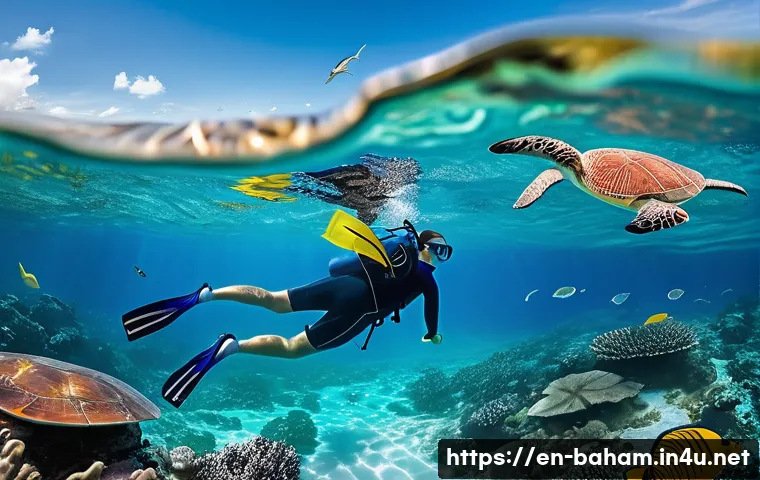
The Bahamas’ unique marine biodiversity is both an asset and a responsibility. Conservation efforts are being intensified to safeguard coral reefs, mangroves, and fisheries, which are crucial for tourism and local livelihoods.
Community-led initiatives play a key role here, with fishermen and environmentalists collaborating to implement sustainable practices. I found it inspiring how these grassroots actions complement national policies, creating a more holistic approach to environmental stewardship.
Addressing Climate Change Vulnerabilities
Given its geographic location, the Bahamas is particularly vulnerable to hurricanes and rising sea levels. In response, investments in resilient infrastructure and disaster preparedness have increased significantly.
Early warning systems, reinforced buildings, and community education programs are being prioritized to minimize risks. From discussions with local officials, it’s evident that this proactive stance not only protects lives and property but also helps maintain investor confidence in the country’s stability.
Integrating Green Economy Principles
The concept of a green economy is gaining ground as a framework to align economic activities with ecological sustainability. This means promoting industries that reduce carbon footprints and encourage resource efficiency.
For example, eco-tourism, renewable energy, and sustainable agriculture are all areas receiving attention and incentives. This approach promises to create jobs while preserving the natural capital that underpins long-term prosperity.
Key Economic Indicators at a Glance
| Indicator | 2023 Value | Projected 2024 | Comments |
|---|---|---|---|
| GDP Growth Rate | 3.2% | 3.8% | Driven by tourism recovery and financial services expansion |
| Inflation Rate | 4.1% | 3.7% | Moderate inflation with stabilizing food and fuel prices |
| Unemployment Rate | 7.5% | 6.9% | Improvement due to new job creation in services and construction |
| Tourism Arrivals | 3.6 million | 4.1 million | Growth supported by new marketing campaigns and infrastructure |
| Foreign Direct Investment | $450 million | $520 million | Increase linked to offshore finance and renewable energy projects |
In Conclusion
The Bahamas is rapidly evolving by embracing digital innovation and sustainable practices across key sectors. From fintech advancements to eco-friendly tourism, these developments are setting a strong foundation for future growth. The country’s proactive approach to infrastructure and environmental preservation further enhances its appeal as a vibrant and resilient economy. It’s clear that balancing tradition with modernization is driving the Bahamas toward a promising horizon.
Helpful Information to Keep in Mind
1. Digital transformation in finance is attracting younger investors and improving service efficiency.
2. Offshore banking continues to thrive with stronger compliance and transparency standards.
3. Sustainable tourism is expanding beyond beaches to include cultural and eco-friendly experiences.
4. Infrastructure upgrades in transportation and digital networks are improving connectivity and accessibility.
5. Government and private sector collaboration is fostering entrepreneurship and skills development.
Key Takeaways
The Bahamas is successfully blending innovation with sustainability, creating a dynamic economic environment that supports both growth and preservation. Financial sector modernization, combined with green tourism and improved infrastructure, is attracting diverse investments and visitors alike. Challenges such as cryptocurrency adoption and climate vulnerability are being met with thoughtful strategies, ensuring long-term stability. Emphasizing education and capital access strengthens local entrepreneurship, while environmental efforts protect vital natural resources. Overall, these balanced initiatives position the Bahamas as a forward-thinking island nation ready for future opportunities.
Frequently Asked Questions (FAQ) 📖
Q: What are the main economic opportunities emerging in the Bahamas in 2024?
A: The Bahamas is seeing exciting growth primarily in two areas: innovative tourism and offshore finance. Tourism is evolving beyond traditional sun-and-beach vacations, with investments in eco-tourism, cultural experiences, and luxury resorts attracting a broader range of visitors.
At the same time, the offshore finance sector is expanding thanks to new regulations and technologies that make the Bahamas an attractive hub for international banking, wealth management, and fintech startups.
These shifts are creating fresh opportunities for investors and entrepreneurs alike.
Q: How is the Bahamas addressing challenges related to global economic uncertainties?
A: The Bahamas is proactively diversifying its economy to reduce reliance on any single sector, which helps buffer against global shocks. For example, while tourism remains vital, the government and private sector are heavily investing in financial services and renewable energy projects to build resilience.
Additionally, initiatives to improve infrastructure and digital connectivity are underway, enabling businesses to operate more efficiently and tap into global markets despite external uncertainties.
From my experience, this balanced approach is key to maintaining steady growth.
Q: What should investors consider before entering the Bahamian market in 2024?
A: Investors need to weigh several factors, including regulatory changes, currency stability, and the evolving competitive landscape. The Bahamas has been updating its legal frameworks to align with international standards, which enhances transparency but may require more due diligence.
On the currency front, the Bahamian dollar is pegged to the US dollar, providing some stability. However, understanding local market nuances, such as consumer preferences and supply chain dynamics, is crucial.
Based on conversations with local business owners, building strong relationships and staying informed about policy shifts can make all the difference in success.