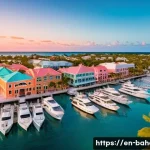
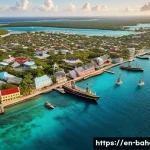
Imagine waking up to the gentle sound of turquoise waves and palm trees swaying in the warm Bahamian breeze. Buying a home in the Bahamas isn’t just about owning property—it’s about embracing a vibrant island lifestyle filled with sunshine, stunning beaches, and a welcoming community.
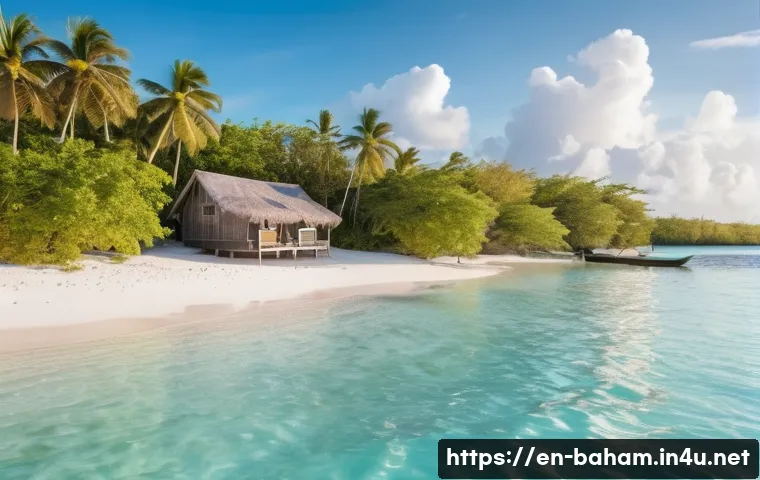
Whether you’re searching for a vacation retreat or a permanent paradise, the real estate market here offers something for everyone. From charming cottages to luxurious oceanfront villas, the options are as diverse as the islands themselves.
But before you dive in, it’s essential to understand the unique aspects of buying property in this tropical haven. Let’s explore the details together so you can make a well-informed decision!
Understanding the Local Real Estate Landscape
Market Trends and Property Values
The Bahamian real estate market is as dynamic and colorful as the islands themselves. Over the past few years, there’s been a steady increase in demand, especially for waterfront properties and vacation homes.
From my experience browsing listings and talking to locals, prices tend to vary widely depending on location, with Nassau and the Family Islands offering very different vibes and price points.
While Nassau’s real estate market is more developed and bustling, the Family Islands provide quieter, more affordable options. Property values can fluctuate with seasonal tourism trends, but overall, there’s a strong upward trajectory fueled by foreign investment and growing interest in island living.
Types of Properties Available
One of the things that struck me when exploring options was how diverse the property types are. You can find everything from quaint beachfront cottages perfect for weekend getaways to sprawling luxury villas equipped with private docks and infinity pools.
Condos and townhouses are also popular among those looking for a more community-oriented feel or easier maintenance. It’s important to think about your lifestyle here—do you want a secluded sanctuary, or a lively neighborhood with easy access to restaurants and shops?
This choice will influence not only the type of property you buy but also its price and future resale value.
Legal Considerations for Buyers
Buying property in the Bahamas does come with unique legal considerations. Unlike some countries, foreign buyers can own property outright, but it often requires government approval, which might take a few weeks to process.
From what I’ve gathered through conversations with local real estate agents, it’s essential to hire a knowledgeable attorney familiar with Bahamian property law.
They’ll help you navigate title searches, contracts, and any zoning restrictions. Additionally, be prepared for transfer taxes and stamp duties that add to the overall cost.
Understanding these legal steps beforehand can save you from surprises down the road.
Financial Planning and Costs to Expect
Initial Purchase Expenses
When budgeting for a home in the Bahamas, the purchase price is just the beginning. From my own research and talking to homeowners, you should expect to pay additional fees such as stamp duty, which is about 2.5% on the first $250,000 and 10% on the remaining amount.
Then there are legal fees, typically around 1% of the purchase price, and various administrative costs. If you’re buying through a mortgage, don’t forget to factor in appraisal and loan origination fees.
It’s wise to have a financial buffer of at least 10-15% beyond the listing price to cover these extras without stress.
Ongoing Maintenance and Property Taxes
Owning a home in the Bahamas means embracing the upkeep that comes with island living. Salt air and humidity can accelerate wear on exterior paint, roofs, and fixtures, so regular maintenance is crucial.
From chatting with expats and locals, I learned that budgeting for annual maintenance costs—ranging from landscaping to pest control—is a must. Property taxes in the Bahamas are relatively low compared to many countries, but they still need to be paid annually.
Utilities can be more expensive than on the mainland, so energy-efficient upgrades might be worth considering to save money in the long run.
Financing Options and Mortgage Insights
Financing a home purchase in the Bahamas can be a bit tricky, especially for foreign buyers. Local banks do offer mortgages, but they often require a higher down payment—usually around 30-40%—and the interest rates can be higher than in the U.S.
or Canada. From what I’ve seen, some buyers opt to finance through their home country or pay cash to avoid complications. If you’re considering a mortgage, it’s crucial to get pre-approved and understand the terms fully.
Working with a real estate agent who has strong connections to local lenders can make this process smoother and less intimidating.
Finding the Perfect Location for Your Lifestyle
Nassau: The Urban Island Experience
Nassau is the vibrant heart of the Bahamas, offering a bustling urban environment with all the conveniences you’d expect. If you enjoy lively markets, diverse dining, and easy access to international airports, this area might be your best bet.
The city blends historic charm with modern amenities, making it perfect for those who want island life without sacrificing convenience. From my visits, I noticed the neighborhoods vary greatly—from historic colonial districts to new upscale developments—so it’s important to explore multiple areas to find your perfect fit.
Family Islands: Tranquility and Natural Beauty
For those craving peace, privacy, and stunning natural landscapes, the Family Islands are a dream come true. Islands like Exuma, Eleuthera, and Abaco offer crystal-clear waters, less crowded beaches, and a slower pace of life.
I had the chance to spend time on a few of these islands, and the sense of community and connection to nature was palpable. Real estate prices here tend to be more reasonable, and there’s a variety of properties ranging from rustic cottages to luxury estates.
However, services like healthcare and schooling can be limited, so it’s important to weigh your priorities.
Considerations for Accessibility and Amenities
When choosing where to buy, think about how important accessibility and amenities are to you. Islands with airports that have direct flights to the U.S.
or other international hubs can make visits easier, especially if you plan to use the property as a vacation home. Proximity to grocery stores, hospitals, schools, and entertainment can significantly affect your day-to-day comfort.
I found that some of the more remote locations offer unparalleled beauty but require a bit of extra planning for supplies and travel. Balancing convenience with tranquility is key to finding your ideal spot.
Evaluating Property Condition and Inspection Tips
Common Structural Concerns in Island Homes
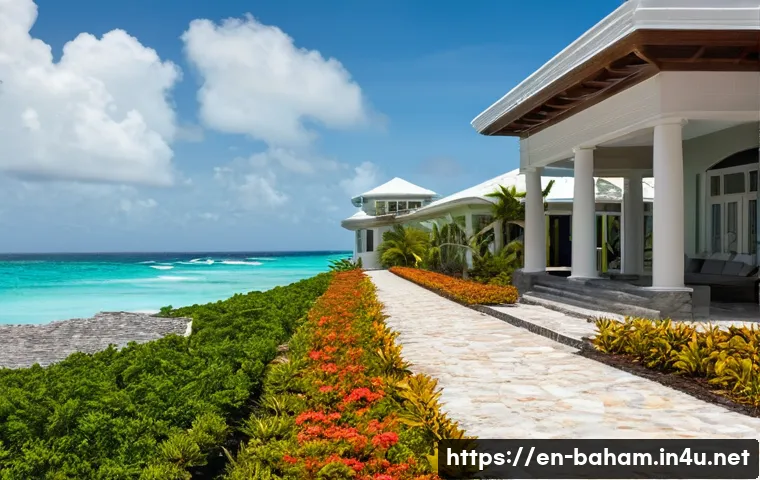
Homes in the Bahamas face unique environmental challenges, such as hurricanes, salty air, and high humidity, which can take a toll on building materials.
When I toured several properties, I noticed that issues like roof corrosion, mold, and wood rot were common if the home wasn’t properly maintained. It’s vital to get a thorough inspection by a professional familiar with tropical climates before making a purchase.
This can help you avoid costly repairs and ensure the home is resilient against the elements.
Choosing a Qualified Home Inspector
Selecting the right home inspector can make or break your buying experience. From personal experience and advice from local agents, I recommend hiring inspectors who specialize in island properties and have a good reputation for thoroughness.
They’ll check everything from electrical systems and plumbing to the condition of seawalls and foundations. Some inspectors also offer drone surveys to assess roofs and waterfront conditions more safely.
Don’t hesitate to ask for references or sample reports to understand their level of detail.
Negotiating Repairs and Price Adjustments
If inspections reveal issues, it’s common and reasonable to negotiate repairs or price reductions with the seller. I’ve seen buyers successfully request that major repairs be completed before closing or ask for credits to handle the work themselves.
Keep in mind that some sellers may be less flexible in a hot market, so having a trusted real estate agent to guide you through negotiations can be invaluable.
Being prepared with a clear list of priorities and repair estimates will strengthen your position.
Community and Lifestyle Integration
Getting to Know the Local Culture
One of the most rewarding parts of owning a home in the Bahamas is immersing yourself in the vibrant local culture. From my time spent in the islands, I found that Bahamians are warm, friendly, and deeply connected to their heritage.
Engaging with community events like Junkanoo festivals, local markets, and beach clean-ups offers a genuine sense of belonging. Learning a bit about Bahamian history and customs before moving can also enrich your experience and help you build meaningful relationships.
Essential Services and Infrastructure
Understanding the availability of essential services is crucial when settling into island life. While Nassau has well-developed infrastructure including hospitals, schools, and reliable utilities, some Family Islands may have limited access to these services.
During my conversations with residents, I learned that internet and cell service can vary widely, so checking coverage in your chosen area is a must if you plan to work remotely or stay connected.
Planning ahead for things like water supply and waste management will make your transition smoother.
Opportunities for Outdoor Recreation and Adventure
Living in the Bahamas means endless opportunities for outdoor activities, which is a major draw for many buyers I’ve spoken to. Whether you’re into boating, fishing, snorkeling, or simply beachcombing, the islands deliver year-round.
Many communities offer private beach access, marinas, and hiking trails. I personally found that having these recreational options right outside your door transforms the way you relax and connect with nature.
It’s truly a lifestyle upgrade that goes beyond just owning a property.
Summary of Key Costs and Requirements
| Category | Estimated Cost | Notes |
|---|---|---|
| Purchase Price | Varies widely | Depends on location, size, and type of property |
| Stamp Duty | 2.5% on first $250,000; 10% thereafter | Mandatory government tax on property transfers |
| Legal Fees | Approx. 1% of purchase price | For contract review, title search, and closing |
| Maintenance Costs | $2,000 – $5,000 annually | Includes landscaping, repairs, pest control |
| Property Taxes | Low compared to many countries | Annual payment based on property value |
| Mortgage Down Payment | 30-40% of purchase price | Higher for foreign buyers, if financing locally |
| Utilities | Higher than mainland US | Electricity, water, and internet costs |
Conclusion
Exploring the Bahamian real estate market reveals a unique blend of vibrant culture, diverse property options, and important financial and legal considerations. Whether you seek the lively urban life of Nassau or the peaceful charm of the Family Islands, understanding the local landscape is key to making a confident investment. With proper planning and expert guidance, owning a piece of paradise is within reach.
Useful Information to Keep in Mind
1. The Bahamian real estate market is influenced by tourism and foreign investment, causing prices to fluctuate seasonally.
2. Waterfront properties and vacation homes tend to be in higher demand and often come with premium price tags.
3. Foreign buyers can own property but must navigate government approvals and legal requirements carefully.
4. Maintenance costs can be higher due to the island’s climate, so budgeting for ongoing upkeep is essential.
5. Accessibility to amenities and transportation varies greatly between Nassau and the Family Islands, impacting lifestyle and convenience.
Key Takeaways for Buyers
When purchasing property in the Bahamas, it’s vital to consider not just the purchase price but also additional costs like stamp duty, legal fees, and maintenance expenses. Hiring knowledgeable local professionals ensures a smoother transaction and helps avoid legal pitfalls. Carefully evaluating location preferences, property conditions, and financing options will lead to a more satisfying ownership experience. Above all, embracing the island lifestyle with its unique culture and natural beauty makes the journey worthwhile.
Frequently Asked Questions (FAQ) 📖
Q: Can foreigners buy property in the Bahamas, and are there any restrictions?
A: Yes, foreigners can absolutely buy property in the Bahamas. The country welcomes international buyers, and the process is relatively straightforward compared to other Caribbean destinations.
However, if you’re purchasing land larger than two acres or if your property borders government land, you might need to get approval from the Bahamas Investment Authority.
Aside from that, most residential and commercial properties are open to foreign ownership without restrictions. From my experience, working with a local real estate agent who understands these nuances can make the whole process much smoother.
Q: What additional costs should I expect when buying a home in the Bahamas?
A: Beyond the purchase price, you’ll want to budget for several extra expenses. These typically include stamp duty (which is around 2.5% of the property price), legal fees (usually about 1-2%), and agent commissions (commonly 5-7%).
Also, don’t forget ongoing costs like property taxes and insurance. From what I’ve seen, these fees are pretty standard, but it’s wise to get a clear breakdown from your lawyer upfront.
It helps avoid surprises and keeps your budget realistic.
Q: How is the real estate market in the Bahamas for vacation homes versus permanent residences?
A: The market in the Bahamas is vibrant and caters to both vacationers and those looking to relocate permanently. Vacation homes, especially on popular islands like Nassau or Exuma, tend to be in high demand and offer great rental income potential if you decide to rent out when you’re not there.
For permanent residents, there are beautiful communities with excellent amenities, schools, and healthcare options. Personally, I found that visiting different islands and neighborhoods helped me get a feel for where I’d be happiest living long-term versus just visiting.
It’s definitely worth exploring to match your lifestyle needs.