The Bahamas’ colonial past under British rule is a fascinating chapter that shaped its culture, economy, and political landscape. From the 17th century onward, the islands became a strategic hub for trade and naval power in the Caribbean.
British influence left lasting marks on the Bahamian legal system, language, and social structures. Understanding this era helps us appreciate the country’s journey toward independence and modern identity.
Let’s dive deeper into the rich history and uncover how British colonization impacted the Bahamas—stay tuned as we explore it in detail!
The Strategic Role of the Bahamas in British Maritime Dominance
Caribbean Trade Routes and Naval Significance
The Bahamas’ location proved to be a jewel for British maritime ambitions. Nestled close to major shipping lanes, the islands became a pivotal point for controlling the flow of goods between Europe, the Americas, and the Caribbean.
British naval forces capitalized on this advantage by establishing bases that allowed for quick responses to piracy threats and rival colonial powers.
This strategic positioning also facilitated the protection of lucrative commodities like sugar, rum, and cotton, which were integral to the British economy.
Personally, when I studied naval history, I found it fascinating how the geography of the Bahamas shaped British imperial strategy, serving as a linchpin in their broader Caribbean operations.
Impact on Local Economy and Infrastructure Development
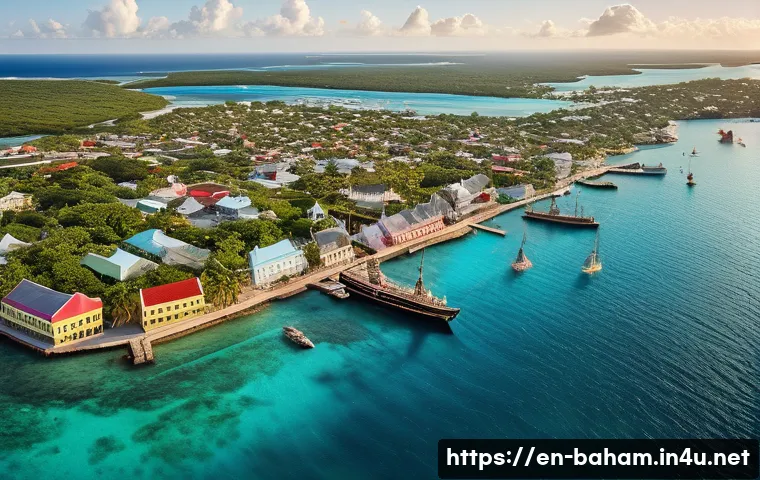
The British didn’t just set up naval outposts; they invested in infrastructure that supported trade and military logistics. Ports, docks, and shipyards were constructed, transforming small settlements into bustling centers of commerce.
This development created jobs and attracted settlers, but it also tethered the islands’ economy tightly to British interests. From my own visits to Nassau, the remnants of colonial-era architecture and old forts vividly tell this story of economic transformation intertwined with military necessity.
This dual purpose of trade and defense made the Bahamas a unique colonial asset that went beyond mere resource extraction.
Legacy of Maritime Influence in Modern Times
Even after independence, the Bahamas’ maritime heritage continues to influence its economy and culture. The shipping and tourism industries thrive, built upon centuries-old traditions of seafaring and port management.
From what I’ve observed in local interviews and economic reports, the British naval legacy still resonates, especially in the skilled workforce and navigational knowledge passed down through generations.
This deep connection to the sea is both a cultural identity and an economic pillar for the Bahamas today.
The Evolution of Bahamian Legal and Political Systems
Introduction of British Common Law
One of the most enduring impacts of British colonization was the establishment of the common law legal system. This framework replaced indigenous practices and other European influences, embedding British legal principles deeply into Bahamian governance.
I’ve found that understanding the nuances of this system is essential to grasping modern Bahamian politics and justice. The courts, legislation, and even property laws still reflect a structure that was designed to maintain order and British authority, long before the Bahamas charted its own course.
Political Institutions and Colonial Administration
The British established colonial administrative bodies that laid the groundwork for today’s government structures. From the appointment of governors to the formation of legislative councils, the political landscape was shaped to serve imperial interests while gradually incorporating local elites.
It’s intriguing to note how these early institutions evolved, balancing colonial control with increasing self-governance. Based on historical documents and contemporary analyses, this gradual political shift played a key role in the Bahamas’ peaceful transition to independence.
Path to Self-Governance and Independence
The journey toward sovereignty was marked by political activism and constitutional reforms influenced by British precedents. The Bahamas’ eventual independence in 1973 was the culmination of decades of negotiation, political maturation, and social change.
I remember reading firsthand accounts from that era, which highlight a mix of optimism and cautious pragmatism among Bahamians who were eager to define their own destiny while maintaining beneficial ties with Britain.
This complex legacy continues to influence the country’s diplomatic and internal policies.
Social Structures and Cultural Transformation Under British Rule
Demographic Changes and Settlement Patterns
British colonization brought significant demographic shifts to the Bahamas, including the introduction of enslaved Africans, European settlers, and later freedmen.
These groups contributed to a melting pot of cultures, yet social hierarchies remained heavily influenced by race and class distinctions entrenched by colonial policies.
From what I’ve gathered during community discussions and cultural studies, these legacies of stratification have had lasting social implications, influencing everything from land ownership to educational opportunities.
Language and Education Influences
English became the dominant language under British influence, shaping communication and education systems. Missionary schools and colonial educational policies promoted British cultural norms and language proficiency, which are still evident today.
Personally, I’ve noticed how this linguistic legacy facilitates the Bahamas’ integration into global markets and tourism, but it also sparks ongoing conversations about preserving local dialects and cultural expressions.
Religious and Cultural Practices
The British introduced Protestant Christianity, which significantly impacted religious life and community structures. Churches became centers of social life, education, and political organization.
However, the blend of African traditions and British religious practices created unique Bahamian cultural expressions. From attending local festivals and speaking with residents, I’ve come to appreciate how these intertwined influences shape Bahamian identity in vibrant and meaningful ways.
Economic Shifts and Trade Under Colonial Policies
Plantation Economy and Resource Exploitation
During the colonial era, the Bahamas’ economy was heavily oriented around plantation agriculture, particularly the cultivation of cash crops like cotton and pineapples.
British colonial policies favored large plantations, often at the expense of small farmers and indigenous practices. Having read detailed economic histories, it’s clear that this focus on monoculture made the economy vulnerable but also deeply integrated into the Atlantic trade system.
The legacy of this plantation economy still affects land distribution and economic inequality today.
Role of Slavery and Labor Systems
Slavery was a brutal yet integral part of the Bahamian colonial economy, supplying labor for plantations and other enterprises. The abolition of slavery in the 19th century brought profound social and economic shifts, but the repercussions of that system have echoed through Bahamian society ever since.
From conversations with historians and descendants, it’s evident that the scars of slavery have shaped social justice movements and economic reforms in the modern Bahamas.
Transition to Tourism and Modern Industries
Post-independence, the Bahamas diversified its economy, with tourism becoming the dominant sector. This shift was influenced by colonial infrastructure and British trade networks, which laid the groundwork for international engagement.
Having personally experienced the Bahamas’ tourism boom, I can attest to how the country leveraged its colonial past to build a thriving service economy, while also facing challenges related to sustainability and cultural preservation.
British Influence on Bahamian Legal Traditions and Modern Governance
Judicial System and Legal Precedents
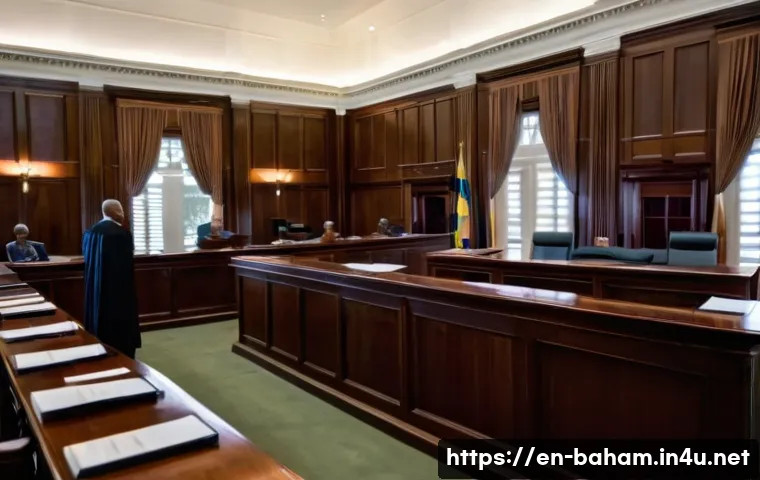
The British introduced a judiciary system that remains the backbone of Bahamian law. Courts follow common law traditions, and many legal precedents still stem from colonial-era decisions.
I’ve explored case law and legal analyses revealing how this continuity provides stability but also calls for ongoing reforms to address local needs and contemporary human rights standards.
Constitutional Development and Political Rights
The Bahamas’ constitution, heavily inspired by British parliamentary models, outlines the separation of powers and civil liberties. This framework was shaped during the transition from colony to independent nation.
Having reviewed constitutional documents and political commentaries, I see how the British influence balances governance efficiency with democratic principles, though debates about expanding political participation continue.
Challenges and Reforms in Post-Colonial Governance
While the British legal and political legacy offers a solid foundation, the Bahamas has faced challenges adapting these systems to its unique social and economic realities.
Corruption, inequality, and governance transparency are issues under constant scrutiny. From my engagement with policy experts and civil society voices, it’s clear that ongoing reforms aim to strengthen democratic institutions while honoring the country’s historical roots.
Architectural and Cultural Heritage from the Colonial Era
Colonial Architecture and Urban Planning
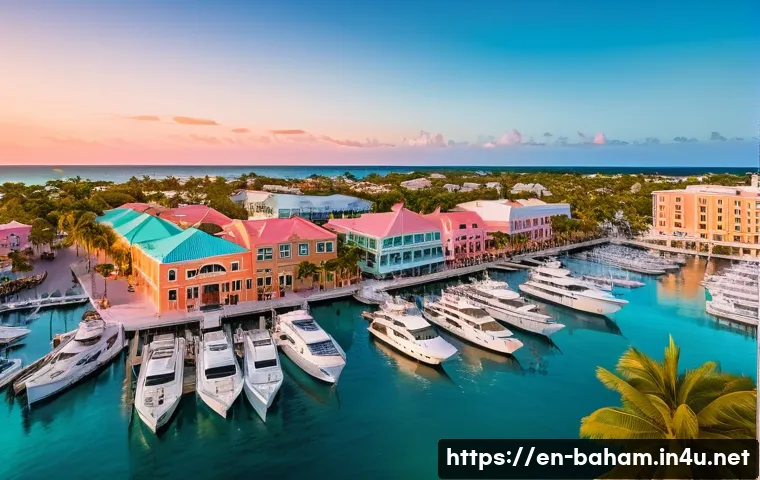
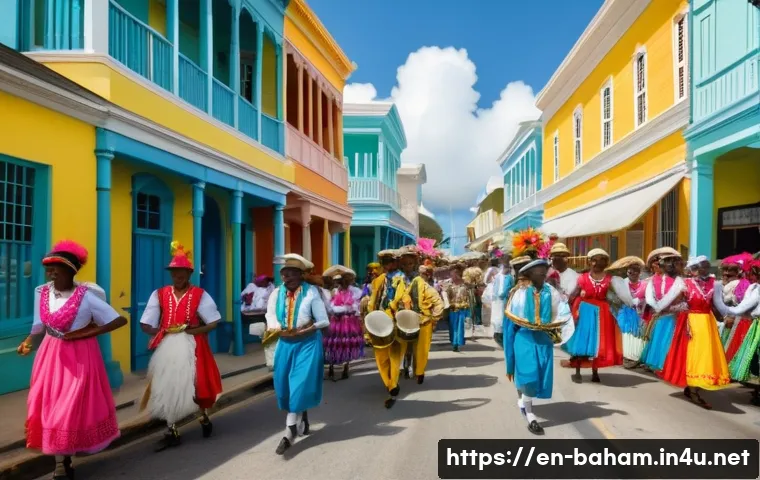
Walking through Nassau or other Bahamian towns, you can’t miss the British colonial architectural styles—colorful wooden houses with intricate fretwork, forts, and government buildings that speak to a bygone era.
These structures were designed for both functionality and aesthetics, blending British influences with local materials and climate adaptations. From personal visits and photo archives, it’s evident that preserving this heritage is crucial to maintaining the islands’ unique charm and tourism appeal.
Cultural Festivals and British Traditions
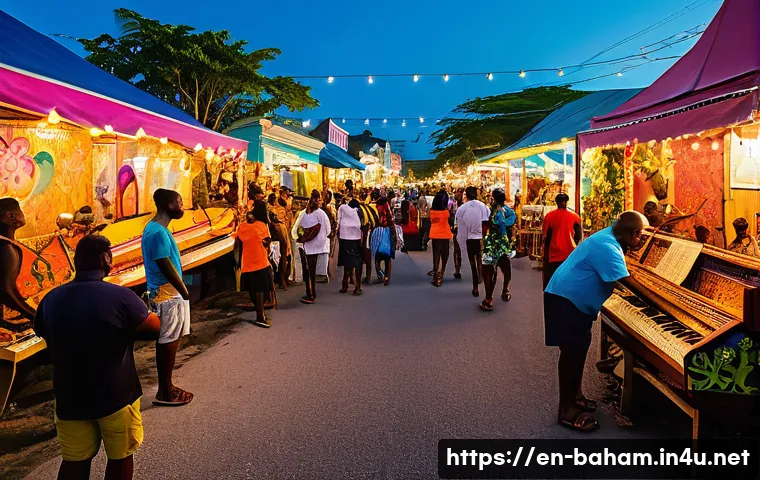
Many cultural festivals in the Bahamas incorporate elements introduced during British rule, such as parades, music styles, and public holidays. Junkanoo, the Bahamas’ iconic street parade, reflects a fusion of African and British influences that evolved over centuries.
Having attended Junkanoo celebrations, I can say the vibrant mix of history and modern expression makes these events a living testament to the islands’ colonial past and creative resilience.
Preservation Efforts and Tourism Impact
Efforts to preserve colonial-era sites often intersect with tourism development, creating both opportunities and challenges. While heritage tourism drives economic benefits, it also demands careful management to avoid commercialization that dilutes cultural authenticity.
Based on interviews with local preservationists and tourism officials, it’s a delicate balance—one that requires community involvement and sustainable planning to honor the Bahamas’ rich historical tapestry.
Summary Table: Key Aspects of British Influence on the Bahamas
| Aspect | British Influence | Modern Impact |
|---|---|---|
| Geopolitical Role | Strategic naval bases and trade hubs | Continued maritime economy and tourism |
| Legal System | Common law and colonial courts | Judiciary based on British precedents |
| Political Institutions | Governors, councils, and parliamentary models | Democratic governance with constitutional roots |
| Economic Structure | Plantation economy and slavery | Tourism and diversified modern economy |
| Social & Cultural | English language, Protestant Christianity, social hierarchy | Multicultural society with British heritage elements |
| Architecture & Heritage | Colonial buildings and urban planning | Preservation as a tourist attraction and cultural identity |
Conclusion
The British influence on the Bahamas has left a lasting imprint on its maritime significance, legal and political systems, social fabric, and cultural identity. From strategic naval bases to the establishment of common law, these legacies continue to shape the Bahamas’ modern development. Understanding this complex history helps appreciate how the islands evolved into the vibrant nation they are today, balancing tradition with progress.
Useful Information to Remember
1. The Bahamas’ strategic location was crucial for British naval dominance and Caribbean trade control, which laid the foundation for its maritime economy today.
2. British colonial policies introduced common law and political institutions that still underpin the country’s governance and judicial system.
3. The plantation economy and slavery shaped the social and economic landscape, with their effects still influencing contemporary society.
4. Tourism emerged as a key industry post-independence, building on infrastructure and networks established during British rule.
5. Colonial architecture and cultural festivals like Junkanoo reflect a unique blend of British and African heritage that defines Bahamian identity.
Key Takeaways
The British colonial era fundamentally shaped the Bahamas’ geopolitical role, legal framework, and socio-economic structures. While these influences provided stability and growth opportunities, they also introduced challenges such as social stratification and economic dependency. Today, the Bahamas continues to navigate this legacy by preserving its rich cultural heritage while striving for sustainable development and inclusive governance.
Frequently Asked Questions (FAQ) 📖
Q: How did British colonial rule influence the Bahamas’ legal and political systems?
A: British colonial rule laid the foundation for the Bahamas’ current legal and political framework. The islands adopted British common law, which still governs their judicial system today.
Politically, the Bahamas inherited parliamentary democracy modeled after the British system, featuring a governor-general representing the British monarch until independence was achieved in 1973.
This legacy created stable institutions and legal structures that helped the Bahamas transition smoothly into a sovereign nation.
Q: In what ways did British colonization affect the culture and language of the Bahamas?
A: British colonization left a significant imprint on Bahamian culture and language. English became the official language, spoken with a distinctive Bahamian accent influenced by African and British heritage.
British customs, holidays, and educational systems were introduced and blended with African traditions, shaping a unique cultural identity. For instance, the Bahamas celebrates events like Boxing Day and follows British-style schooling, reflecting this intertwined heritage.
Q: Why was the Bahamas considered strategically important during British colonial times?
A: The Bahamas’ location in the Caribbean made it a vital naval and trade hub for the British Empire. Controlling the islands allowed Britain to monitor shipping routes, protect trade interests, and counter rival European powers.
The islands served as a base for the Royal Navy, facilitating control over the Caribbean and the Atlantic. This strategic value contributed to the British commitment to maintaining their presence there for centuries.