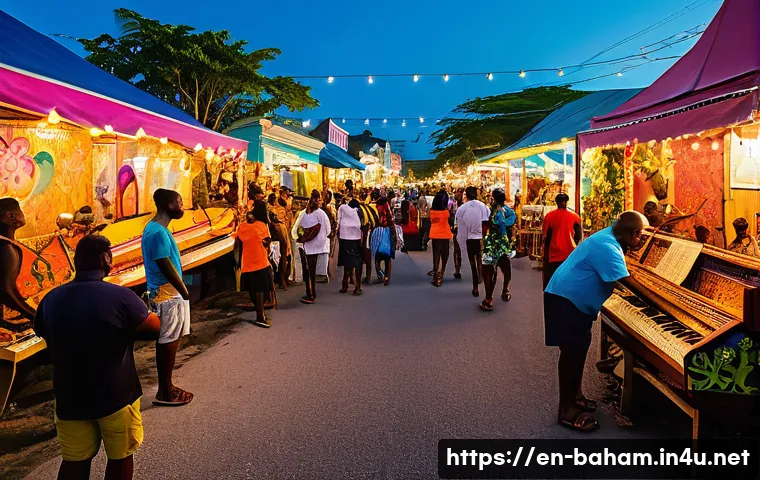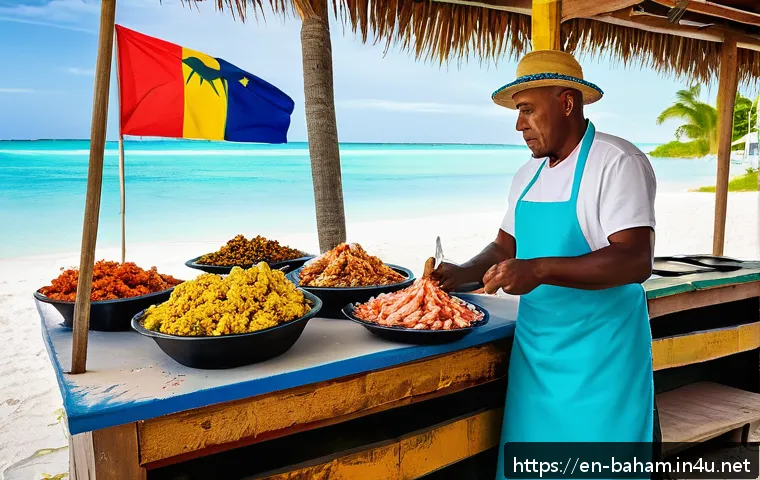
With travel opening up again, there’s never been a better time to explore the vibrant flavors of the Bahamas. From fresh seafood caught daily to spices that tell stories of the islands’ rich heritage, Bahamian cuisine offers a delicious escape for every food lover.
Whether you’re planning your next getaway or simply craving a taste of the tropics, diving into these must-try local dishes will transport you straight to sun-soaked shores.
Stick around as we uncover the authentic flavors that capture the heart and soul of the Bahamas—trust me, your taste buds will thank you!
Discovering the Heart of Bahamian Flavors
How Fresh Seafood Shapes the Cuisine
The Bahamas is surrounded by crystal-clear waters, making fresh seafood the cornerstone of its culinary identity. Whether it’s conch, grouper, or snapper, these ocean treasures are caught daily by local fishermen and immediately brought to the markets and kitchens.
When you bite into a plate of cracked conch or savor a perfectly fried grouper sandwich, you’re tasting more than just food—you’re experiencing the islands’ connection to the sea.
I remember trying conch salad at a beach shack in Nassau, and the zing of the lime and pepper combined with the tender, fresh conch was unforgettable.
This freshness is something you rarely find anywhere else, and it’s what gives Bahamian dishes their vibrant and unique character.
Spices and Ingredients That Tell a Story
Bahamian cooking isn’t just about seafood; it’s also about the bold and aromatic spices that bring every dish to life. From allspice and thyme to scotch bonnet peppers, the flavors are deeply rooted in the islands’ African and Caribbean heritage.
These spices aren’t just there for heat—they add layers of depth and warmth that invite you to savor every bite slowly. I’ve noticed that many locals use a combination of these spices in their stews, rice dishes, and sauces, giving each meal a distinct personality.
For anyone who loves food with a little kick and a lot of soul, Bahamian spices won’t disappoint.
Signature Dishes That Capture Island Life
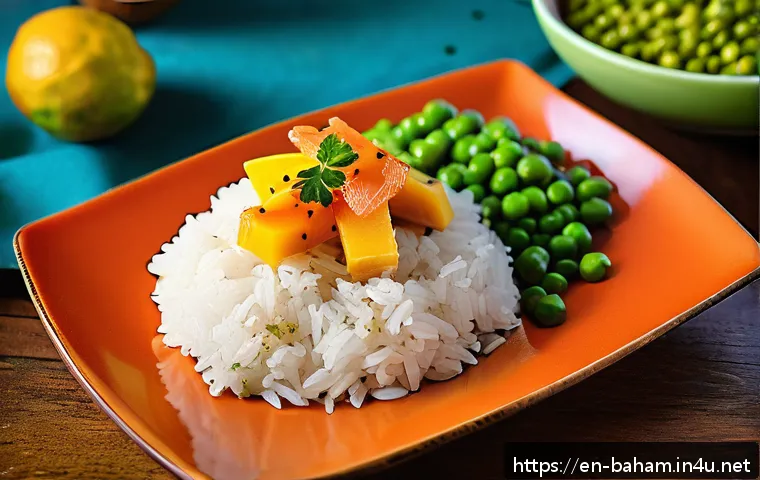
When talking about Bahamian cuisine, you can’t miss the classics like cracked conch, peas and rice, and guava duff. Each dish has a story, often tied to family traditions or celebrations.
Peas and rice, for example, is a staple side dish made with pigeon peas and seasoned with coconut milk, making it creamy and fragrant. Guava duff, a sweet dessert made with guava fruit wrapped in dough and boiled, reflects the islands’ love for tropical fruits and indulgent flavors.
These dishes aren’t just food—they’re a warm invitation to experience the culture and hospitality of the Bahamas firsthand.
Exploring Must-Try Bahamian Delicacies
Cracked Conch: The Ultimate Island Snack
Cracked conch is one of those dishes that perfectly represents the Bahamas—simple, fresh, and incredibly flavorful. The conch meat is tenderized, battered, and fried until golden, then served with a side of tangy dipping sauce.
Eating cracked conch by the beach, with the ocean breeze and the sound of waves in the background, is an experience I can’t recommend enough. The crispy exterior contrasts beautifully with the chewy, juicy inside, making it addictive.
It’s a snack that locals and tourists alike crave, especially after a day spent soaking up the sun.
Peas and Rice: A Comfort Food Staple
Don’t be fooled by its simplicity—peas and rice is a dish that embodies comfort and tradition in Bahamian homes. The dish is made by cooking rice with pigeon peas, seasoned with onions, garlic, and sometimes coconut milk, which adds a subtle sweetness.
It’s a perfect accompaniment to stewed chicken or fried fish and is often served at family gatherings and festive occasions. I’ve had this dish at multiple local spots, and what stands out is its consistency—each bite is a warm reminder of home-cooked goodness that you just can’t replicate easily.
Guava Duff: Sweet Island Indulgence
If you’re looking for a dessert that’s uniquely Bahamian, guava duff should be at the top of your list. This rich dessert features guava fruit wrapped in dough, boiled, and then served with a buttery rum sauce.
The combination of fruity sweetness with the smooth sauce creates a decadent treat that perfectly caps off any meal. I’ve found that guava duff is often a highlight at local celebrations, symbolizing the islanders’ love for using native fruits in their cooking.
It’s a must-try for anyone wanting to end their Bahamian culinary journey on a high note.
The Role of Street Food in Bahamian Culture
Where to Find the Best Beachside Bites
One of the best ways to dive into Bahamian cuisine is through its vibrant street food scene, especially at the beaches. Food stalls and small shacks offer everything from fried fish sandwiches to conch fritters, often made fresh while you wait.
These casual spots are where locals gather, and the atmosphere is infectious—full of laughter, music, and the smell of sizzling spices. I’ve spent many afternoons hopping between these stalls, tasting bites that are both affordable and packed with flavor.
For travelers, it’s a chance to eat like a local and soak up the island vibe at the same time.
How Street Vendors Keep Tradition Alive
Street food vendors in the Bahamas do more than just sell meals; they preserve age-old recipes passed down through generations. Many of these recipes have been adapted over time but still hold true to their original flavors and techniques.
When chatting with vendors, I’ve heard stories about their families’ cooking legacies and how they take pride in sharing these dishes with visitors. This connection between food and heritage is palpable in every bite, making street food an authentic gateway to the islands’ soul.
It’s an experience that goes beyond taste—it’s about community and culture.
Popular Street Snacks You Can’t Miss
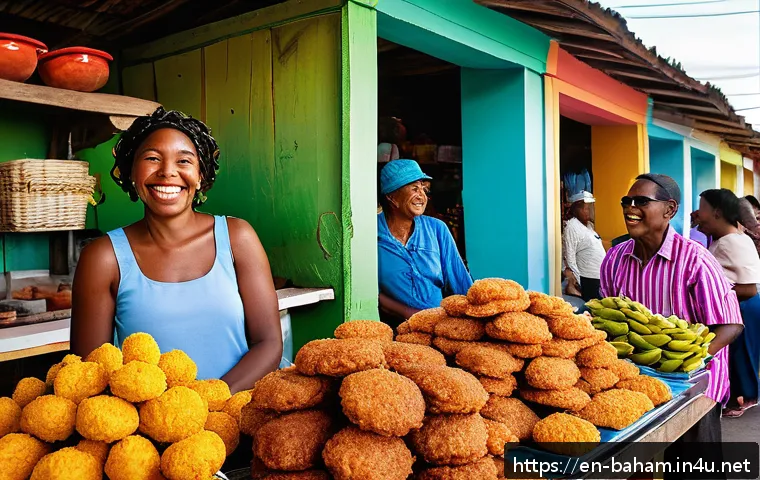
From conch fritters to johnnycakes, Bahamian street snacks are a treasure trove of flavors and textures. Conch fritters are little fried balls of dough mixed with conch meat, herbs, and spices—perfect for nibbling on while strolling through a market.
Johnnycakes, on the other hand, are fluffy fried bread often enjoyed with butter or honey. I’ve noticed that these snacks are not only delicious but also incredibly satisfying, often replacing a full meal for locals on the go.
Sampling these treats is a must for anyone wanting to experience the true taste of Bahamian street food culture.
A Guide to Traditional Bahamian Ingredients
Essential Spices and Herbs
Bahamian cooking relies heavily on a few key spices and herbs that bring out the islands’ distinctive flavors. Scotch bonnet peppers are a staple, delivering a fiery kick that’s balanced by the sweetness of allspice and the earthiness of thyme.
These ingredients are often combined in marinades and stews, creating layers of taste that are both bold and comforting. When I first tried a Bahamian stew with these spices, the warmth and complexity blew me away—it was like the flavors told a story of the island’s history and climate.
Unique Fruits That Enhance Every Meal
The Bahamas’ tropical climate produces a bounty of fruits that play a vital role in its cuisine. Guava, mango, and papaya are commonly used not just in desserts but also in savory dishes and sauces.
Their natural sweetness complements spicy and salty flavors, creating a balanced palate. I’ve enjoyed mango salsa alongside grilled fish multiple times, and the freshness of the fruit really elevates the meal.
These fruits are also often turned into refreshing drinks or jams, making them versatile staples in Bahamian kitchens.
Seafood Varieties Beyond the Usual
While conch and grouper are the most famous, Bahamian waters are home to a wide variety of seafood that locals use creatively. Stone crab, spiny lobster, and various shellfish appear regularly in menus, each bringing its own texture and flavor profile.
Exploring these less common options gave me a new appreciation for the biodiversity of the islands’ marine life. It’s exciting to find dishes featuring these ingredients, often prepared with simple, traditional methods that highlight their natural taste rather than overpowering it.
Comparing Popular Bahamian Dishes at a Glance
| Dish | Main Ingredients | Flavor Profile | Typical Occasion |
|---|---|---|---|
| Cracked Conch | Conch, flour, spices | Crispy, slightly spicy, tangy | Beach snack, casual dining |
| Peas and Rice | Pigeon peas, rice, coconut milk, thyme | Savory, creamy, herbaceous | Everyday meals, family gatherings |
| Guava Duff | Guava, dough, rum sauce | Sweet, fruity, rich | Festive occasions, dessert |
| Conch Salad | Conch, lime juice, peppers, onions | Fresh, zesty, slightly spicy | Appetizer, light meal |
| Johnnycake | Flour, butter, sugar | Buttery, soft, slightly sweet | Breakfast, snack |
Pairing Bahamian Meals with Local Drinks
Refreshing Tropical Cocktails
No Bahamian meal feels complete without a cold, tropical cocktail in hand. Classics like the Bahama Mama or a simple rum punch are staples, blending local rums with fresh fruit juices like pineapple and orange.
I vividly recall sitting at a seaside bar, sipping a Bahama Mama, the flavors perfectly cutting through the richness of a seafood platter. These drinks not only complement the food but also add to the laid-back, festive atmosphere that defines island life.
Non-Alcoholic Options That Refresh
For those who prefer something alcohol-free, the Bahamas offers plenty of refreshing options like soursop juice or coconut water straight from the shell.
These drinks are naturally hydrating and carry subtle sweetness that pairs well with spicy or savory dishes. I found that drinking fresh coconut water after a spicy cracked conch meal was incredibly soothing and revitalizing—a perfect balance to the food’s boldness.
The Art of Drinking Local Coffee and Tea
While the Bahamas is better known for its seafood and tropical drinks, local coffee and teas also play a role in daily life. Bahamian coffee tends to be strong and robust, often enjoyed with a splash of condensed milk for sweetness.
Herbal teas made from local plants, such as lemongrass or cinnamon, provide a calming end to meals or a gentle pick-me-up during the day. I’ve come to appreciate these quieter moments of sipping traditional drinks that connect the islands’ natural bounty with everyday rituals.
The Influence of Bahamian Food on Modern Dining
Fusion Flavors in Contemporary Restaurants
Modern chefs in the Bahamas are taking traditional ingredients and giving them exciting new twists. You’ll find fusion dishes that blend Bahamian spices with international techniques, like conch ceviche with Asian flavors or lobster tacos with a Caribbean salsa.
During my visits to upscale eateries, I’ve been impressed by how these chefs honor the roots of Bahamian cuisine while appealing to adventurous palates.
It’s a delicious evolution that keeps the food scene fresh and dynamic.
How Tourism Shapes Culinary Trends
Tourism has brought a global spotlight to Bahamian food, encouraging chefs and vendors to innovate while maintaining authenticity. Resorts and hotels often showcase local dishes but with elevated presentation and ingredients sourced sustainably.
I’ve noticed that travelers’ curiosity about authentic flavors pushes the culinary scene to balance tradition with modern expectations, ensuring that the food remains a central part of the Bahamian experience.
Keeping Traditions Alive Amid Change
Despite the influx of new influences, many Bahamians are passionate about preserving their culinary heritage. Family-run restaurants and market stalls continue to serve recipes passed down through generations, providing a taste of the islands’ history.
During conversations with local cooks, I sensed a deep pride in this continuity, and it’s clear that no matter how much the food scene evolves, the soul of Bahamian cuisine will always remain rooted in its rich past.
Conclusion
Exploring Bahamian cuisine offers a vibrant journey through fresh seafood, bold spices, and heartfelt traditions. Each dish tells a story of the islands’ culture and natural bounty, inviting you to savor more than just flavors. Whether through street food or fine dining, Bahamian food connects you deeply with its heritage and lively community. Experiencing these tastes firsthand leaves a lasting impression of warmth and authenticity.
Useful Information to Know
1. Fresh seafood is central to Bahamian cuisine and is typically caught daily, ensuring exceptional quality and flavor.
2. The use of aromatic spices like scotch bonnet peppers and allspice adds depth and warmth beyond just heat.
3. Signature dishes such as cracked conch, peas and rice, and guava duff reflect both cultural heritage and local ingredients.
4. Street food offers an authentic taste of the Bahamas, often prepared with recipes passed down through generations.
5. Pairing meals with local drinks—whether tropical cocktails or refreshing non-alcoholic options—enhances the overall dining experience.
Key Takeaways
Bahamian cuisine is a harmonious blend of fresh seafood, bold spices, and traditional recipes that celebrate island life. The vibrant street food scene preserves culinary heritage while welcoming modern twists. Local ingredients like tropical fruits and unique spices create distinct flavors that define this culture. Whether dining casually or at upscale venues, the essence of Bahamian food lies in its authenticity, community connection, and joyful spirit.
Frequently Asked Questions (FAQ) 📖
Q: What are some must-try traditional dishes in the Bahamas?
A: When visiting the Bahamas, you absolutely can’t miss trying conch salad, a refreshing mix of fresh conch, lime juice, onions, and peppers. Another local favorite is cracked conch, which is deep-fried to crispy perfection.
For a heartier meal, try Bahamian stewed fish or guava duff, a sweet dessert made from guava fruit wrapped in dough. Each dish reflects the islands’ vibrant culture and fresh ingredients, making your taste buds dance with every bite.
Q: Where can I find authentic Bahamian food while traveling?
A: The best way to experience authentic Bahamian cuisine is by visiting local markets, beachside shacks, and family-owned restaurants rather than tourist-heavy spots.
Places like Nassau’s Fish Fry at Arawak Cay are legendary for their fresh seafood and lively atmosphere. If you’re on one of the Out Islands, smaller eateries often serve up homemade recipes passed down through generations.
Don’t hesitate to ask locals for their favorite hidden gems—you’ll be rewarded with unforgettable flavors.
Q: Are Bahamian dishes spicy, and how should I prepare if I’m sensitive to heat?
A: Bahamian cuisine uses spices to enhance flavor but generally isn’t overwhelmingly spicy like some other Caribbean cuisines. Dishes often feature peppers and seasonings that add a pleasant kick without burning your mouth.
If you’re sensitive to heat, you can request milder versions at most restaurants, or simply enjoy dishes like Bahamian peas and rice, which are flavorful but mild.
Personally, I found the balance perfect—enough zest to excite my palate without overwhelming it.