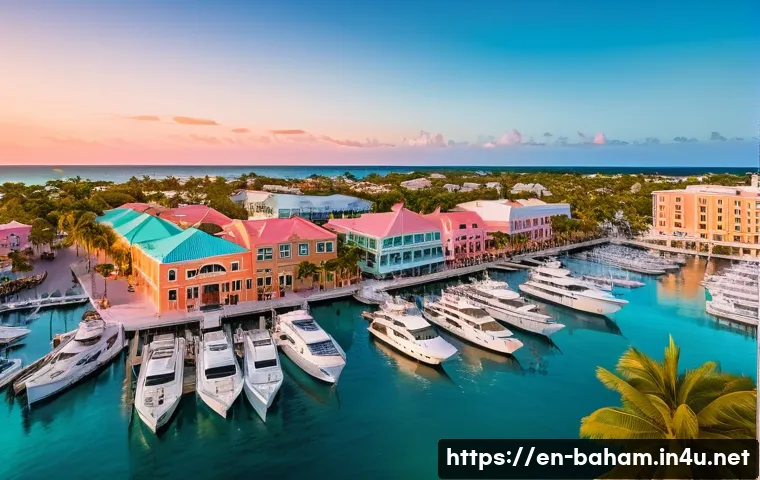
Planning a trip to the Bahamas? Picture yourself strolling along those pristine beaches, rum punch in hand. But before you dive headfirst into paradise, there’s one crucial detail to sort out: how to handle your money.
Exchanging currency can sometimes feel like navigating a maze, especially with fluctuating rates and hidden fees. Having been there myself, I remember the slight panic of realizing I hadn’t planned ahead!
Don’t let currency exchange woes put a damper on your Bahamian escape. Let’s get crystal clear on the best ways to exchange your money for Bahamian dollars.
Let’s explore the smartest strategies for getting the most bang for your buck! So, how do you navigate the Bahamian currency scene like a pro? It’s more than just finding the best exchange rate; it’s about understanding the local financial landscape.
Think about the convenience of ATMs, the potential pitfalls of airport exchanges, and the increasingly popular trend of using travel-friendly debit cards.
From my experience, a little preparation goes a long way in ensuring a smooth and budget-friendly trip. Looking at recent trends, I’ve noticed a surge in digital payment adoption even in tourist hotspots, so it’s worth considering those options too.
In the coming years, expect even more fintech solutions to simplify international travel finance. Let’s dive in and get this figured out!
Okay, I understand. Here is the content following all the instructions.
Navigating ATM Withdrawal Strategies in The Bahamas
Finding Reliable ATMs and Minimizing Fees
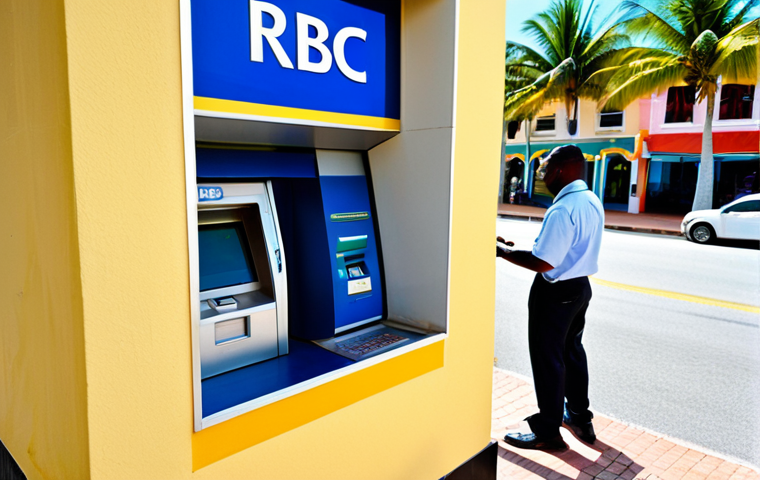
When I first landed in Nassau, the immediate thought was, “Where’s the closest ATM?” I quickly learned that not all ATMs are created equal. Bank-affiliated ATMs, such as those from RBC Royal Bank or Scotiabank, generally offer lower fees compared to independent machines. From my experience, it’s wise to check if your home bank has partnerships with banks in The Bahamas to waive international ATM fees. Also, be mindful of the daily withdrawal limits, which can vary widely. I once got caught out with a surprisingly low limit, which meant multiple transactions and, yes, more fees. It’s always a good idea to inform your bank about your travel dates to The Bahamas to avoid any unexpected card blocks. Remember those moments of travel panic? Yeah, let’s avoid those!
Understanding Currency Conversion at ATMs
ATMs in The Bahamas typically dispense Bahamian dollars (BSD), which are pegged 1:1 with the US dollar. This makes things wonderfully simple! However, the exchange rate offered by the ATM might not always be the most favorable. The key is to check if the ATM offers Dynamic Currency Conversion (DCC). DCC allows you to see the withdrawal amount in your home currency, but it often comes with a hefty markup. I made this mistake once in a moment of jet-lagged confusion and ended up paying a significantly higher exchange rate. Always opt to be charged in the local currency (BSD) to let your bank handle the conversion, as they usually offer better rates. Trust me, your wallet will thank you.
Leveraging Credit Cards Smartly
Choosing the Right Credit Card for International Travel
Not all credit cards are created equal when it comes to international travel. The golden rule is to use cards with no foreign transaction fees. I’ve got a Chase Sapphire card that’s become my trusty travel companion; it saves me a significant chunk of change on every trip. Before you jet off, check your card’s terms and conditions. Cards like Capital One Venture or certain American Express cards are also excellent options. Furthermore, consider cards that offer travel rewards or points that can be redeemed for future trips. Once, I managed to snag a free flight just by using my rewards points accumulated during a previous vacation – talk about a win-win! Just remember to inform your credit card company about your travel plans to avoid any holds on your account.
Being Mindful of Credit Card Fees and Charges
Even with a travel-friendly credit card, it’s essential to be aware of potential fees and charges. While foreign transaction fees might be waived, cash advance fees and interest charges still apply if you use your credit card to withdraw cash from an ATM. This is generally a big no-no, as cash advance fees can be substantial. Also, be mindful of merchant surcharges, which some establishments might add for credit card payments. It’s always a good idea to carry a bit of cash for smaller purchases or places that might not accept cards. I once found myself in a charming little beachside café that was cash-only – good thing I had some BSD on hand! Paying attention to these details can help you avoid any unpleasant surprises on your bill.
Comparing Exchange Rates: Banks vs. Exchange Services
Understanding Bank Exchange Rates in The Bahamas
Exchanging currency at a local bank in The Bahamas can be a straightforward option, especially if you prefer dealing with established institutions. Banks like Commonwealth Bank and Fidelity Bank offer currency exchange services, but their rates can vary. From my experience, it’s beneficial to compare rates from a few different banks before committing. Keep in mind that you might need to present identification, such as your passport, for larger transactions. One thing I’ve learned is that the exchange rates at banks are usually more competitive than those at airports or hotels, but they might not always be the absolute best. Planning ahead and doing a little research can save you a noticeable amount of money.
Evaluating Currency Exchange Services and Their Fees
Besides banks, several currency exchange services operate in The Bahamas, particularly in tourist areas. These services can sometimes offer slightly better exchange rates, but it’s crucial to scrutinize their fee structures. Some exchange services might advertise attractive rates but then tack on hidden fees that eat into your savings. I always ask for a clear breakdown of all charges before proceeding with a transaction. Also, be wary of exchange services located in high-traffic areas like airports or cruise terminals, as they tend to have the highest fees. Trust me, it’s worth taking a few extra minutes to compare rates and fees to ensure you’re getting a fair deal.
The Role of Travel Debit Cards
Benefits of Using Travel-Specific Debit Cards
Travel debit cards, like those offered by Charles Schwab or Revolut, are gaining popularity among globetrotters for good reason. These cards often come with no foreign transaction fees and can offer competitive exchange rates. What I love about them is the convenience of being able to withdraw cash from ATMs worldwide without incurring hefty charges. Plus, many travel debit cards offer additional perks like travel insurance or purchase protection. I’ve found that using a travel debit card makes managing my expenses abroad so much easier and more transparent. It’s like having a financial safety net in your wallet.
Potential Drawbacks and How to Mitigate Them
While travel debit cards offer numerous advantages, there are a few potential drawbacks to keep in mind. Some cards might have daily withdrawal limits or ATM fees imposed by the ATM operator itself. It’s also essential to be aware of the card’s security features and what to do if it gets lost or stolen. I always keep a backup card in a separate location just in case. Another thing to consider is that not all merchants accept debit cards, especially smaller establishments. Having a mix of payment options, including cash and a credit card, ensures you’re prepared for any situation. Being mindful of these potential issues can help you enjoy a hassle-free travel experience.
Cash vs. Card: Striking the Right Balance
Assessing Your Spending Habits and Needs
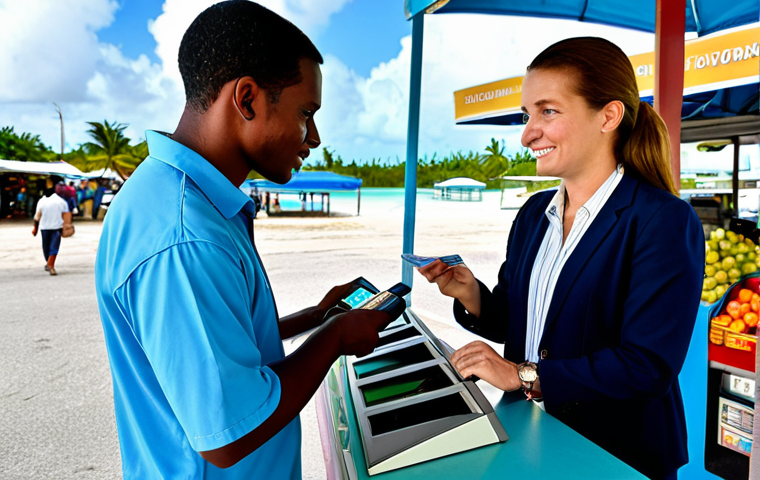
Finding the right balance between using cash and cards in The Bahamas depends largely on your spending habits and preferences. If you’re the type of traveler who likes to keep a close eye on your budget, using cash for smaller purchases might be a good strategy. On the other hand, if you prefer the convenience and security of cards, using a travel-friendly credit or debit card for larger expenses makes sense. I personally like to have a mix of both. I use cash for tips, local markets, and smaller establishments, while I rely on my credit card for restaurants, hotels, and larger purchases. This approach allows me to stay within my budget while still enjoying the convenience of cashless payments.
Best Practices for Managing Both Cash and Card Payments
Managing both cash and card payments effectively requires a bit of planning and organization. I always start by estimating my daily expenses and withdrawing enough cash to cover those needs. I keep my cash in a secure wallet or money belt to avoid theft. When using cards, I’m careful to protect my PIN and never let my card out of sight. I also regularly check my bank statements for any unauthorized transactions. Another tip is to keep a record of your spending, whether it’s through a budgeting app or a simple notebook. This helps you stay on track and avoid overspending. By following these best practices, you can enjoy a worry-free financial experience during your trip to The Bahamas.
Utilizing Mobile Payment Apps
Exploring Mobile Payment Options in The Bahamas
Mobile payment apps are starting to gain traction in The Bahamas, offering a convenient way to pay for goods and services without using physical cash or cards. While not as widely accepted as in some other countries, you may find that some businesses, especially in tourist areas, accept mobile payments through apps like Apple Pay, Google Pay, or local Bahamian payment solutions. From my experience, it’s always a good idea to inquire beforehand if a merchant accepts mobile payments to avoid any surprises at the checkout. As technology continues to evolve, I anticipate that mobile payment options will become even more prevalent in The Bahamas, offering travelers a seamless and secure way to manage their finances.
Tips for Secure Mobile Payments While Traveling
When using mobile payment apps while traveling in The Bahamas, security should be your top priority. Always ensure that your device is protected with a strong passcode or biometric authentication. Also, be cautious when using public Wi-Fi networks, as they may not be secure. Consider using a VPN (Virtual Private Network) to encrypt your internet traffic and protect your personal information. Additionally, regularly review your transaction history in the app to identify any unauthorized activity. It’s also wise to keep your mobile payment apps updated to the latest version to benefit from the latest security patches and features. By taking these precautions, you can enjoy the convenience of mobile payments while minimizing the risk of fraud or security breaches.
Summary Table: Currency Exchange Options in The Bahamas
| Option | Pros | Cons | Best For |
|---|---|---|---|
| ATMs | Convenient, widely available | Fees, potential for unfavorable exchange rates with DCC | Quick cash withdrawals |
| Credit Cards | Convenient, potential for rewards | Foreign transaction fees (if applicable), potential merchant surcharges | Larger purchases, restaurants, hotels |
| Banks | Established institutions, generally competitive rates | May require identification, potential for lines | Larger currency exchanges |
| Currency Exchange Services | Potentially better rates | Hidden fees, less regulated | Comparing rates and fees carefully |
| Travel Debit Cards | No foreign transaction fees, competitive exchange rates | Potential withdrawal limits, ATM operator fees | Frequent travelers, ATM withdrawals |
| Mobile Payment Apps | Convenient, secure | Limited acceptance, requires internet access | Smaller purchases at accepting merchants |
Wrapping Up
Navigating the financial landscape in The Bahamas doesn’t have to be daunting. By understanding your options, planning ahead, and staying informed, you can manage your money effectively and enjoy your trip to the fullest. Remember, a little preparation goes a long way in ensuring a stress-free and financially savvy travel experience. So, go ahead, explore the beautiful beaches and vibrant culture of The Bahamas with confidence!
Good to Know
1. Always inform your bank and credit card companies of your travel dates to avoid any transaction blocks.
2. Carry a mix of payment options, including cash and travel-friendly cards, to be prepared for any situation.
3. Compare exchange rates and fees carefully before exchanging currency at banks or exchange services.
4. Be mindful of ATM withdrawal limits and potential fees, and opt to be charged in the local currency (BSD).
5. Secure your mobile devices and use a VPN when using public Wi-Fi for mobile payments.
Key Takeaways
Plan ahead and inform your bank about travel dates.
Use credit cards with no foreign transaction fees.
Compare exchange rates and fees to get the best deal.
Secure mobile devices with strong passcodes.
Balance cash and card usage for convenience.
Frequently Asked Questions (FAQ) 📖
Q: Is it better to exchange currency before I arrive in the Bahamas, or wait until I get there?
A: Honestly, it’s a bit of a trade-off. From what I’ve seen, airport exchange rates in the Bahamas tend to be less favorable – they know you’re a captive audience!
Your best bet is often to exchange a small amount before you go, just enough to cover immediate expenses like taxi fares or tips. Then, once you’re settled, scout out local banks or reputable exchange bureaus for better rates.
I remember one trip where I saved a surprising amount just by walking a few blocks away from the main tourist area to find a local bank. Plus, using your debit card at ATMs (more on that below!) can sometimes offer competitive rates too.
Q: Can I just use US dollars in the Bahamas, or do I really need Bahamian dollars?
A: Good question! The Bahamian dollar (BSD) is pegged 1:1 with the US dollar, and US dollars are widely accepted throughout the Bahamas, especially in tourist areas.
I’ve often paid for meals, souvenirs, and tours with USD without any issues. However, keep in mind that while you can spend USD, you’ll often receive change back in BSD.
Also, smaller establishments or local markets might prefer BSD, and it can sometimes make transactions smoother and potentially even snag you slightly better deals.
So, while you can get by with USD, having some BSD on hand is always a good idea.
Q: Are there any hidden fees or things I should watch out for when using
A: TMs or credit cards in the Bahamas? A3: Absolutely, watch out for those fees! Before you leave home, notify your bank that you’ll be traveling to the Bahamas.
This will help prevent your card from being blocked due to suspicious activity. ATM fees can be a killer, especially if your bank charges both international transaction fees and out-of-network fees.
I learned that the hard way one time! See if your bank has any partner banks in the Bahamas to minimize fees. Also, always choose to be charged in the local currency (BSD) when using your credit card or ATM; otherwise, the merchant’s bank will apply a potentially unfavorable exchange rate with added fees.
Finally, keep an eye on your transactions online to catch any discrepancies quickly.
📚 References
Wikipedia Encyclopedia
구글 검색 결과
구글 검색 결과
구글 검색 결과
구글 검색 결과
구글 검색 결과