Hey there, fellow adventurers! You know, there’s a certain magic to the Bahamas that goes way beyond the pristine beaches and crystal-clear waters. I’ve always been absolutely fascinated by how deeply traditional beliefs and age-old superstitions are woven into the very fabric of daily life here, shaping everything from how folks plant their gardens to how they interpret their dreams.
From the hushed tales of Obeah, often misunderstood by outsiders, to the incredible, time-tested wisdom of bush medicine passed down through generations, these island traditions offer a vibrant, authentic peek into a spiritual world often overlooked by tourists.
It’s a captivating culture where every whisper of the wind or strange occurrence carries a unique story, providing a truly rich lens through which to view these incredible islands.
If you’re ready to peel back the layers and discover the real magic and enduring spirit of the Bahamas with me, you’re in for a treat! Let’s dive deep into these incredible stories together.
Whispers of the Ancestors: The Enduring Power of Island Folk Tales
The Rhythms of Storytelling
You know, one of the things that truly captivated me when I first started exploring the Bahamas was how storytelling isn’t just a pastime here; it’s practically a lifeline.
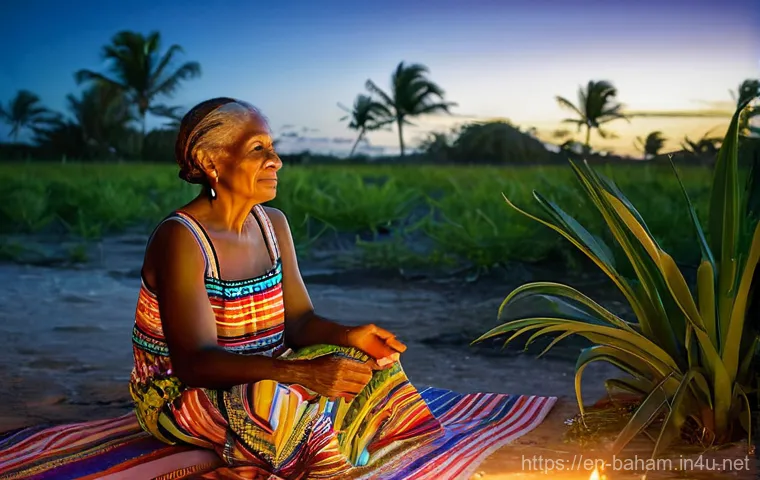
Imagine sitting under a sky full of stars, the warm breeze rustling through the palms, and listening to an elder recount tales passed down through generations.
These aren’t just quaint stories; they’re vibrant tapestries woven with history, humor, and a healthy dose of warning. I’ve been lucky enough to experience this firsthand, gathered around a small fire, feeling the weight of centuries of wisdom in every word.
These stories often feature figures like the mischievous ‘Lusca’ or the protective ‘Chickcharney,’ mythical creatures that aren’t just figments of imagination but are seen as integral parts of the island’s spiritual landscape.
They teach children about respect for nature, the importance of community, and the consequences of greed, all wrapped up in narratives that keep you on the edge of your seat.
It’s a powerful way to preserve culture, ensuring that the unique Bahamian identity continues to thrive, even as the world outside changes rapidly. There’s a certain magic in hearing these tales, a feeling of connection to something much older and deeper than ourselves.
Lessons from the Lore
What I’ve really come to appreciate about these Bahamian folk tales is their profound practical application. They aren’t just for entertainment; they’re often moral compasses, guiding principles embedded in a memorable narrative.
For instance, you’ll hear stories about why it’s unlucky to whistle after dark – a tale often spun to keep children safe and indoors, but also subtly teaching a respect for the unseen.
Or the one about leaving an offering for the ‘jumbies’ (spirits) before cutting down a tree, which inherently promotes environmental stewardship. I’ve noticed how these stories subtly shape daily behavior, influencing everything from planting cycles to interpersonal relationships.
It’s truly fascinating to see how a simple story can carry such significant weight in a community. The wisdom isn’t preached; it’s simply absorbed through the captivating adventures of legendary figures.
It reminds me that sometimes, the most effective way to convey important lessons isn’t through rules, but through the enduring power of a good yarn.
The Healing Hands: Unveiling Bahamian Bush Medicine Secrets
Nature’s Pharmacy: Local Remedies
My journey into Bahamian traditions wouldn’t be complete without diving deep into the world of bush medicine. It’s absolutely incredible to witness the profound knowledge that Bahamians possess about the natural world around them.
Forget your modern pharmacies for a moment; here, the sprawling bush is the apothecary, brimming with remedies for everything from a common cold to more chronic ailments.
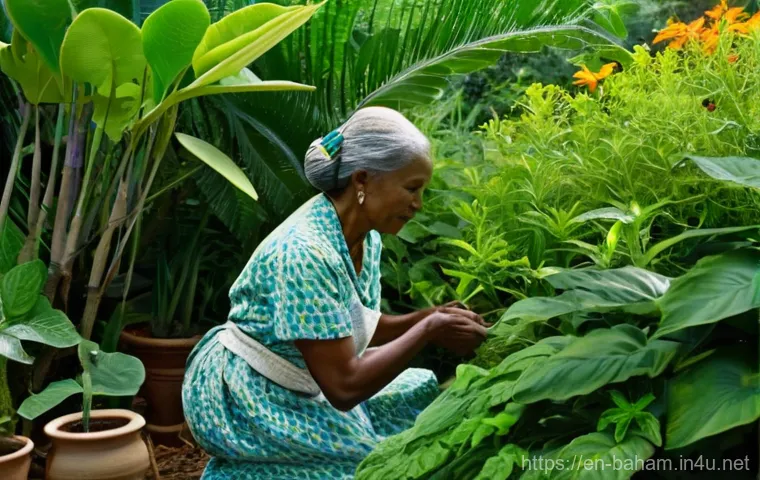
I’ve spent hours chatting with locals, learning about plants like the Cerasee vine, which is revered for its cleansing properties and often brewed into a potent, albeit bitter, tea.
Or the so-called “Love Vine,” which, despite its romantic name, is often used for its diuretic qualities. It’s not just random guesswork; this is centuries of empirical observation, passed down meticulously from generation to generation.
The precision with which different leaves, roots, and barks are identified, prepared, and applied is truly an art form, showcasing an intimate relationship with the island’s ecology.
My Personal Brush with Bush Medicine
I remember one time, I got a nasty cut on my hand while exploring a secluded beach, and a kind elderly woman immediately insisted on treating it with a poultice made from a plant she called “Granny Bush.” She mashed up the leaves, applied it with such gentle care, and wrapped it with a piece of cloth.
Honestly, I was a bit skeptical, but I figured, why not? To my absolute amazement, the cut healed remarkably fast, with no infection, and significantly less scarring than I would have expected.
That experience really opened my eyes to the efficacy and deeply rooted trust in these traditional methods. It’s not just about the physical healing; it’s also about the intention, the belief, and the connection to the land.
When I look at those lush green landscapes now, I don’t just see pretty foliage; I see a living, breathing pharmacy, a testament to the ingenious ways people have adapted and thrived on these islands for centuries.
Navigating the Unseen: Obeah and Spiritual Protections
Beyond the Myths: Understanding Obeah
Let’s talk about something that often gets a lot of sensationalized attention from outsiders: Obeah. From what I’ve learned and experienced here, Obeah in the Bahamas is far more nuanced than the scary, misunderstood caricature often painted in popular media.
It’s a complex system of spiritual beliefs and practices, often focused on healing, protection, and influencing outcomes, rather than simply casting ‘evil’ spells.
I’ve heard countless stories of people seeking Obeah practitioners for guidance, for remedies to persistent problems, or even for protection against misfortune.
It’s deeply intertwined with the spiritual fabric of the community, often seen as a way to maintain balance and harmony in one’s life. The understanding and respect for Obeah here speak volumes about the deep spiritual connection Bahamians have to their world, a world where the seen and unseen are intimately connected.
It’s less about magic tricks and more about invoking spiritual forces and wisdom.
Protective Charms and Practices
What truly fascinates me about the spiritual landscape here are the everyday practices people employ for protection. It’s not always about grand rituals; sometimes it’s as simple as placing a specific charm above a doorway or performing a small, personal ritual before starting a journey.
I’ve noticed things like bottles filled with herbs and oils, often referred to as “jumbie bottles,” placed strategically in gardens or near entrances, believed to ward off negative energies or spirits.
There’s also the tradition of sprinkling salt water around the house for purification, or even carrying certain seeds for good luck. These practices are woven into daily life with an unspoken understanding and respect.
It’s a reminder that for many Bahamians, maintaining spiritual well-being is as important as physical health, and these protective measures offer a sense of security and peace of mind in a world they perceive as full of both visible and invisible forces.
Signs in the Sand: Interpreting Nature’s Messages
Weathering the Omens
One of the most enchanting aspects of Bahamian culture, to me, is the incredible way people connect with nature, viewing it as a living, breathing entity that constantly sends messages.
It’s not just about predicting the weather with a forecast; it’s about reading the subtle signs, the ‘omens’ that nature provides. I’ve learned that if the crabs are unusually active and visible on the beaches, it might signify an impending change in weather, perhaps even a storm.
Or if certain migratory birds appear earlier than usual, it could be a warning about seasonal shifts. This intuitive understanding of their environment is truly remarkable, honed over centuries of living in harmony with the elements.
It’s a survival skill, yes, but also a spiritual connection, a deep trust in the wisdom of the natural world that surrounds them. This acute observation of their surroundings is far more profound than just casual interest; it’s a way of life, constantly interpreting the earth’s whispers.
Animal Encounters and Their Meanings
It’s not just about the weather; animals, too, play a significant role in conveying messages. I’ve heard fascinating accounts of how encounters with certain creatures are interpreted.
For example, seeing a flock of white birds might be considered a sign of good fortune or an impending blessing. Conversely, the presence of certain nocturnal animals during the day could be seen as an omen warning of misfortune.
It’s a rich tapestry of animal symbolism that adds another layer to their interaction with the world. I recall a friend telling me how a lizard crossing her path in a peculiar way once caused her to delay an important appointment, and later, she swore it saved her from a mishap.
Whether you believe it or not, the sincerity with which these beliefs are held is undeniable, shaping decisions and offering comfort or caution. It illustrates a belief system where every rustle in the bush, every shadow, holds a potential meaning.
Feasts and Festivities: Where Tradition Comes Alive
Junkanoo: A Soul-Stirring Spectacle
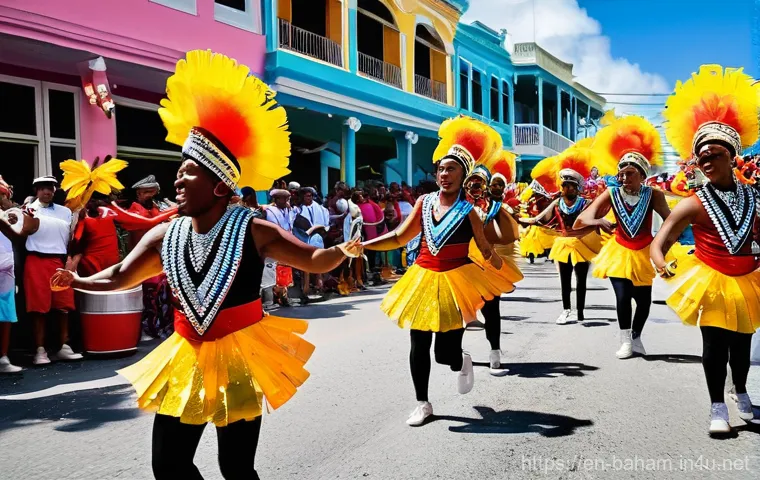
If you want to witness the heart and soul of Bahamian tradition in its most electrifying form, you absolutely *must* experience Junkanoo. Oh my goodness, there’s truly nothing else like it!
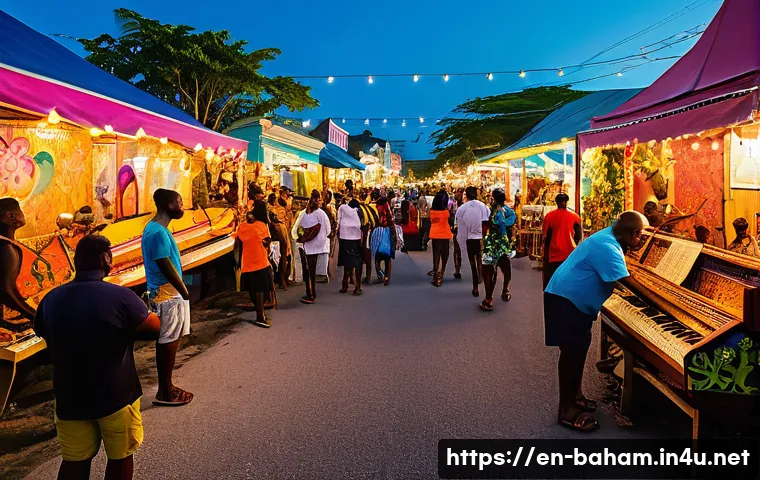
I remember my first time, the sheer explosion of sound, color, and raw energy. It’s not just a parade; it’s an ancestral awakening, a vibrant expression of freedom and joy.
The pulsating rhythms of goatskin drums, cowbells, and whistles fill the air, creating a hypnotic beat that makes your whole body want to move. And the costumes!
They are breathtaking works of art, meticulously crafted from cardboard, crepe paper, and glitter, each one a testament to incredible creativity and painstaking effort.
It’s a fiercely competitive event, with groups spending months rehearsing their routines and designing their elaborate ensembles. The spirit of unity and celebration is palpable, a living, breathing connection to their history and a powerful display of cultural pride that’s truly infectious.
Community Gatherings and Culinary Delights
Beyond the grand spectacle of Junkanoo, traditional gatherings are where the everyday magic truly happens. I’ve been fortunate enough to attend countless cookouts and family celebrations, and they are always an absolute feast for the senses.
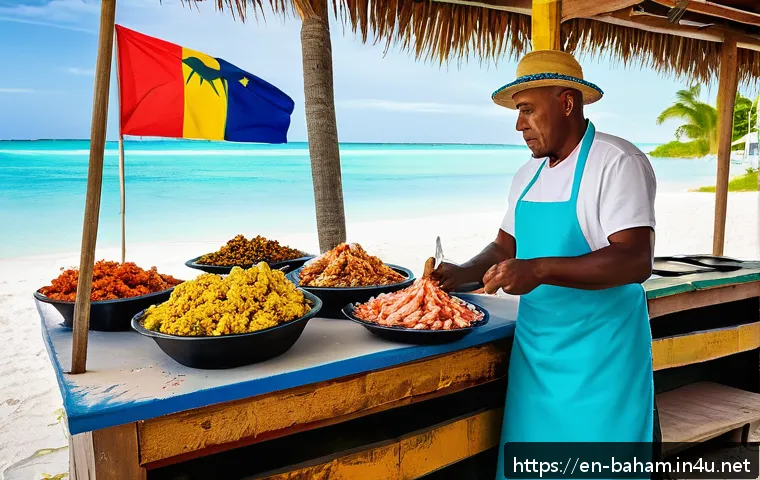
The aromas alone are enough to make your mouth water – grilled snapper, conch salad being freshly prepared, peas n’ rice simmering with rich spices. But it’s more than just the incredible food; it’s the sense of community, the laughter, the shared stories, and the music that often breaks out spontaneously.
These are the moments where traditions are reinforced, where the young learn from the old, and where the bonds of family and friendship are strengthened.
It’s not uncommon to see elders sharing wisdom with the younger generations, or to hear old folktales retold amidst the clinking of glasses and cheerful chatter.
These gatherings truly embody the warmth and generosity that is so characteristic of the Bahamian people.
From Cradle to Grave: Rituals Marking Life’s Journeys
Celebrating New Life
The journey of life in the Bahamas is marked by a beautiful array of rituals and traditions, starting right from the moment a new soul enters the world.
I’ve noticed a deep reverence for new life, with families often coming together in a big way to welcome newborns. There are often specific prayers offered, sometimes special blessings from community elders, designed to protect the baby and ensure a prosperous future.
Some families still hold christenings that involve intricate ceremonies, steeped in tradition, and are major social events where the entire family, often extending to distant cousins, gathers to celebrate.
It’s a profound testament to the value placed on family continuity and the spiritual safeguarding of the newest generation. These initial rituals set the stage for a life lived within a supportive community, surrounded by shared beliefs and enduring love.
Honoring the Departed
Just as profoundly as they celebrate birth, Bahamians also honor their departed with deeply moving and often vibrant traditions. Funerals here are not just solemn occasions; they are often a complex tapestry of grief, remembrance, and celebration of a life lived.
The wakes, sometimes lasting for several days, are incredible gatherings where friends and family come together to share stories, sing hymns, and find comfort in each other’s presence.
The burial itself is often accompanied by specific hymns and prayers, and the grave is sometimes adorned with personal items or flowers. There’s a strong belief in the continued presence of ancestors and the importance of respecting their memory.
It’s a powerful cycle of life and death, where every stage is acknowledged and honored with rituals that bind the community together and reinforce their spiritual connection to those who have come before them.
Keeping the Old Ways: Passing Down Island Wisdom
The Role of Elders
In the Bahamas, the elders are truly the custodians of wisdom, living libraries of tradition and knowledge. I’ve been incredibly touched by the respect and reverence shown to older generations here; it’s something I wish we saw more of elsewhere.
They’re not just respected; they’re sought out for advice, for their historical knowledge, and for their deep understanding of the old ways. Whether it’s a family dispute, a question about planting crops, or an interpretation of a strange dream, the elders are often the first port of call.
They pass down stories, teach bush medicine techniques, and instill moral values, ensuring that the unique Bahamian identity continues to thrive. It’s a beautiful system where the experience of a lifetime is valued and utilized to guide and enrich the lives of the younger generations, creating a strong, resilient community fabric.
Modern Times, Ancient Roots
What’s truly fascinating is how these ancient roots continue to thrive even in the face of modernity. While the Bahamas is a popular tourist destination with all the conveniences of the 21st century, these traditions aren’t fading away.
Instead, they’re adapting, finding new ways to express themselves while maintaining their core essence. You’ll find young Bahamians who are just as eager to learn about bush medicine from their grandparents as they are to use their smartphones.
It’s a beautiful dance between progress and preservation, a testament to the enduring strength and appeal of their cultural heritage. This blend creates a unique identity, allowing Bahamians to navigate a globalized world while staying firmly connected to the rich tapestry of their ancestral practices.
It’s a dynamic and living culture, constantly evolving but always rooted in its incredible past.
Key Bahamian Traditions and Their Meanings
A Quick Overview of Enduring Practices
I’ve learned that many of these traditions are not just practices, but rather deeply held beliefs that offer comfort, guidance, and a connection to a rich cultural heritage.
To help illustrate some of the points I’ve talked about, I put together this little table summarizing some key aspects. It’s truly fascinating how interconnected these elements are, forming a comprehensive worldview for many on the islands.
This table really just scratches the surface, but it gives you a quick snapshot of the depth of these beliefs and how they shape everyday life. It’s a reminder that beneath the surface of paradise, there’s a vibrant and meaningful cultural landscape waiting to be discovered.
| Tradition/Belief | Common Practice/Associated Ritual | Underlying Meaning/Purpose |
|---|---|---|
| Bush Medicine | Using local plants (e.g., Cerasee, Granny Bush) for teas, poultices, and tinctures. | Holistic healing, connection to nature’s remedies, ancestral knowledge, physical well-being. |
| Obeah (Spiritual Practices) | Seeking spiritual guidance, using charms (e.g., jumbie bottles), specific prayers, protective rituals. | Protection from harm, spiritual balance, influencing outcomes, community support, maintaining harmony. |
| Folk Tales & Lore | Storytelling sessions, narratives about mythical creatures (e.g., Lusca, Chickcharney). | Passing down moral lessons, teaching cultural history, instilling respect for nature, community bonding. |
| Junkanoo | Elaborate parades with music (drums, cowbells), intricate costumes, competitive performances. | Celebration of freedom, cultural expression, community spirit, historical remembrance, artistic creativity. |
| Ancestor Veneration | Respect for elders, specific funeral rites, sharing stories of the departed. | Honoring family lineage, seeking guidance from past generations, spiritual continuity. |
Wrapping Up Our Journey
As we bring our exploration of Bahamian traditions to a close, I truly hope you’ve felt the same deep connection and profound respect for this vibrant culture that I have. It’s been an absolute privilege to share these stories, the kind that linger in your heart long after they’re told. From the wisdom embedded in ancient folk tales to the resilience woven into every beat of a Junkanoo drum, and the gentle healing touch of bush medicine, these islands offer so much more than just stunning beaches. They offer a living, breathing tapestry of history, community, and an unbreakable spirit. What an incredible journey it’s been!
Good-to-Know Tidbits for Your Bahamian Adventure
1. When visiting local communities, always approach with an open heart and a respectful attitude. Asking politely before taking photos, especially of people, goes a long way. Locals often appreciate genuine curiosity about their traditions, so don’t be shy to ask questions!
2. If you’re keen to learn more about bush medicine, look for local markets or cultural centers. Often, there are elders or knowledgeable individuals who are happy to share their wisdom, but always ensure you’re learning from a trusted source for safety.
3. Junkanoo is a must-see, but remember it’s not just a show; it’s a profound cultural event. If you can, try to catch the Boxing Day or New Year’s Day parades for the most authentic and energetic experience. Plan ahead, as accommodations book up quickly!
4. Embrace the pace of island life. Things might move a bit slower than you’re used to, and that’s perfectly okay. It’s part of the charm! Enjoy the moments, savor the conversations, and let go of any rigid schedules to truly soak in the Bahamian spirit.
5. While some spiritual practices like Obeah are integral to local culture, remember they are deeply personal and often sacred. It’s best to observe with respect and refrain from treating them as mere tourist attractions. Understanding without intruding is key to genuine cultural appreciation.
Key Takeaways
What I’ve truly gathered from my time immersed in Bahamian culture is that these traditions aren’t just relics of the past; they are living, breathing elements that continue to shape daily life. From the intimate connection with nature and its medicinal offerings to the profound spiritual beliefs that offer guidance and protection, every aspect reinforces a powerful sense of community and identity. The wisdom passed down through generations, celebrated in vibrant festivals like Junkanoo, ensures that this rich heritage thrives, providing a unique blend of ancient roots and modern resilience. It’s a beautiful reminder of the enduring power of culture in a constantly evolving world.
Frequently Asked Questions (FAQ) 📖
Q: What exactly is Obeah, and why do outsiders often misunderstand it in the Bahamas?
A: Oh, Obeah! That’s a question I get all the time. You know, many folks visiting the islands, and even some who’ve lived here a while, tend to lump Obeah in with Voodoo or other practices they’ve seen in movies, and that’s just not the full picture.
From what I’ve learned from locals and my own experiences, Obeah in the Bahamas isn’t a religion with temples and priests in the way many understand it.
It’s more of an individual practice, a traditional system of spiritual beliefs and practices that blends African traditions, European superstitions, and even some Judeo-Christian elements.
It’s often about harnessing supernatural forces or spirits for specific purposes, which can be both positive, like healing or protection, or sometimes negative, like curses.
The misunderstanding often stems from its clandestine nature and the way it was historically portrayed during colonial times. British authorities, in particular, often demonized it and even outlawed it, leading to a lingering negative perception.
But if you talk to Bahamians, especially in the Out Islands, you’ll find it’s deeply woven into the cultural fabric, a way of interpreting the inexplicable, offering guidance, or finding solutions when conventional means fail.
It’s about respecting the spiritual world and knowing there’s more to life than what we can physically see.
Q: How does traditional “bush medicine” work in the Bahamas, and are these remedies still used widely today?
A: Bush medicine is absolutely fascinating, and let me tell you, it’s very much alive and well here! It’s a testament to the ingenuity and deep connection Bahamians have with their natural environment.
Essentially, bush medicine involves using local plants and herbs for medicinal purposes, often passed down through generations. I’ve seen firsthand how grandmothers and local healers will identify specific leaves, barks, or roots, then boil them into teas or decoctions, or even create poultices for various ailments.
For instance, I remember a time I had a terrible headache after a long day in the sun, and a local friend immediately brewed me some “fever grass” tea – and it actually helped!
While modern medicine is readily available, many older Bahamians, particularly in the Family Islands, still heavily rely on bush medicine because it’s affordable, accessible, and deeply trusted within the culture.
They often believe it’s more effective for certain conditions, and you’ll often hear stories of remedies like aloe vera, cerasee, or gum elemi being used for everything from digestive issues to pain relief.
It’s not just about the physical healing either; there’s a spiritual and cultural significance to these practices, a connection to their ancestors and the land that you can feel.
Q: Beyond Obeah and bush medicine, what are some common everyday superstitions or beliefs that Bahamians hold?
A: Oh, there are so many wonderful, everyday beliefs that really paint a vivid picture of Bahamian culture! It’s not just the big, profound traditions; it’s the little things that shape daily life.
For example, many Bahamians pay close attention to dreams, believing they carry significant messages about future events, both good and bad. I’ve heard fascinating interpretations of dream symbols, some even tied to specific outcomes like receiving good news or, surprisingly, even predicting a death.
Then there are common superstitions about luck. I learned quickly that walking under a ladder is a definite no-no – it’s considered bad luck, and folks will go out of their way to walk around it.
It’s a simple act, but it reflects a deep-seated respect for unseen forces. Another intriguing one I’ve encountered is the belief in “duppies” or spirits, especially around silk cotton trees, which are often thought to be their dwelling places.
While not everyone strictly adheres to every belief, these traditions add such a rich layer to the Bahamian experience. It’s truly a culture where history and the spiritual world walk hand-in-hand with everyday life, creating a truly unique and enchanting atmosphere.