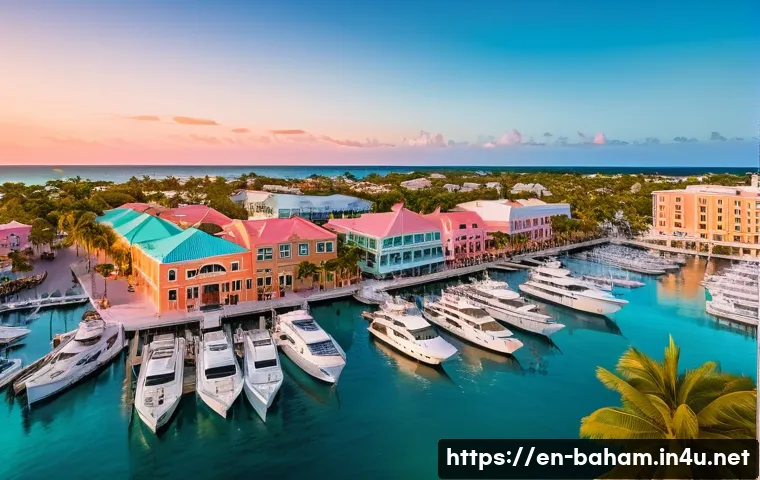
Ever dreamt of exploring a hidden world beneath the waves, a place where mystery and breathtaking beauty collide? Well, let me tell you, the Bahamas blue holes offer exactly that – and so much more.
I’ve had the incredible privilege of descending into these enigmatic underwater caves, and the feeling is truly unparalleled. It’s not just a dive; it’s an adventure into the Earth’s very core, revealing ancient formations and vibrant marine life that simply don’t exist anywhere else.
The sheer scale and serene silence of these natural wonders create an experience that transforms your perception of the ocean. Ready to uncover the secrets of these mesmerizing deep-sea marvels?
Let’s dive deeper into the magic that awaits you.
Unraveling the Mystique: What Makes Blue Holes So Special?
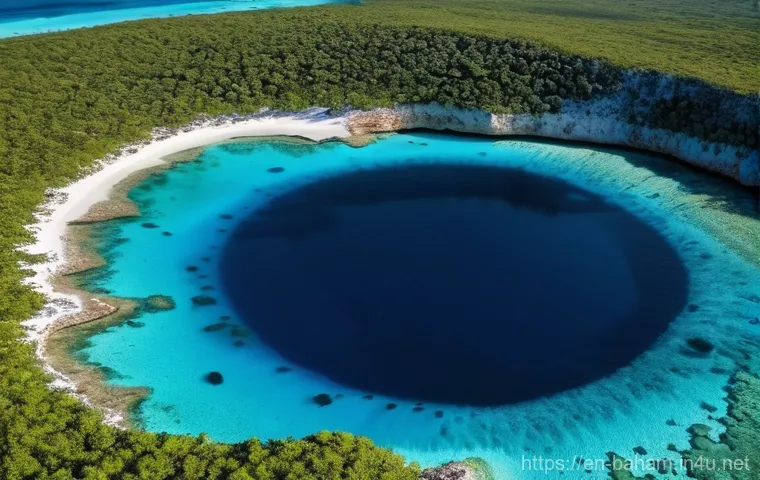
Stepping to the edge of a Bahamian blue hole for the very first time, you can’t help but feel a rush of anticipation, a tangible sense of awe as the vibrant turquoise shallows suddenly plunge into an otherworldly sapphire abyss. It’s truly an unblinking eye staring back at you from the Earth itself! These incredible geological formations aren’t just pretty faces; they’re sinkholes, formed during past ice ages when sea levels were dramatically lower, carving vast underground cave systems into the limestone bedrock. When the glaciers melted and the ocean reclaimed its territory, these ancient caverns flooded, creating the breathtaking deep-water shafts we see today. What I find utterly captivating is how these deep blues contrast so strikingly with the lighter surrounding waters, a visual cue to the immense depths hidden beneath. It’s like peering into another dimension, a silent, mysterious world that calls to the adventurer in all of us.
Formation Through Eons: A Journey Back in Time
Imagine a time when the Bahamas was dry land, a vast expanse of exposed limestone. That’s when the magic began! Over millions of years during the Pleistocene period, slightly acidic rainwater tirelessly dissolved the limestone, creating tiny holes that gradually expanded into intricate underground passages and enormous cave systems. These were literal subterranean rivers and caverns, a hidden world waiting for the ocean to rise again. When the last ice age ended and sea levels soared, these dry caves were submerged, transforming into the spectacular blue holes we’re so lucky to explore today. It’s truly mind-blowing to think you’re swimming through a landscape that was once above ground, complete with ancient stalactites and stalagmites that now stand as silent sentinels in the deep. I remember seeing them for the first time, thinking about how many millennia it took for these structures to form, and it honestly gave me chills – the good kind!
The Allure of the Deep Blue Hue: A Visual Spectacle
The name “blue hole” isn’t just a catchy phrase; it perfectly describes the intense, almost spiritual blue that defines these underwater wonders. This mesmerizing color isn’t just arbitrary; it’s a direct result of their incredible depth and how light behaves underwater. In the shallower parts, sunlight paints everything in vibrant aquamarine and turquoise, but as you descend into the blue hole, the light changes, absorbed by the water, creating that signature deep indigo, almost black, appearance. It’s a dramatic contrast that truly makes them stand out, especially when viewed from above. I’ve flown over a few, and honestly, they look like giant, perfect sapphire jewels scattered across the ocean. From down below, it feels like you’re entering a deep, dark cathedral, where shades of blue play tricks on your eyes. It’s a constant reminder of the sheer power and artistry of Mother Nature.
A Diver’s Dream: Top Blue Hole Destinations in the Bahamas
If you’re anything like me, once you hear about these underwater marvels, you’ll be itching to know where to find the best ones. The Bahamas, my friends, is truly the global capital of blue holes, boasting more of these captivating formations than anywhere else on Earth – over a thousand, in fact! Each island seems to hold its own secrets beneath the waves, but some spots are just legendary among the diving community. From the world-famous Dean’s Blue Hole to the lesser-known but equally stunning inland gems, there’s a blue hole calling your name, whether you’re a seasoned cave diver or a curious snorkeler. I’ve been fortunate enough to visit several, and each one tells a different story, offering a unique adventure that stays with you long after you’ve surfaced.
Dean’s Blue Hole: A Freediver’s Paradise on Long Island
When you talk about Bahamian blue holes, Dean’s Blue Hole immediately comes to mind. Nestled in a protected cove on Long Island, it’s not just famous; it’s the second deepest blue hole in the world, plunging a staggering 663 feet (202 meters) into the Earth’s core. Trust me, the sheer scale is absolutely breathtaking. This place is a mecca for freedivers, attracting athletes from all corners of the globe who come to test the limits of human endurance and explore its incredible depths on a single breath. Even if freediving isn’t your sport, the surface conditions are often incredibly calm, making it fantastic for snorkeling or a relaxed swim. From the surrounding cliffs, you can even watch local kids bravely cliff jump into its inviting blue waters – an exhilarating sight! I remember watching a freediver disappear into its cobalt depths, a tiny speck against the vastness, and felt an immense sense of respect for their courage and connection to the ocean.
Andros Island: The Blue Hole Capital of the World
If Dean’s Blue Hole is the celebrity, then Andros Island is the bustling metropolis of blue holes! With over 200 documented blue holes, both inland and offshore, Andros truly lives up to its title as the “Blue Hole Capital of the World.” This island offers an incredible diversity of experiences, from accessible spots perfect for snorkelers to complex cave systems that challenge even the most experienced technical divers. The Great Blue Hole (also known as King Kong’s Blue Hole) off Andros is another spectacular ocean blue hole, about 100 feet across and over 200 feet deep. Inland, you’ll find places like Captain Bill’s Blue Hole within the Blue Holes National Park, offering boardwalks and easy access, making it a fantastic spot for a refreshing dip and some birdwatching. My personal take? Exploring Andros feels like an archaeological expedition, discovering these hidden natural treasures around every corner, often with no one else in sight. It’s raw, untamed, and utterly unforgettable.
Nassau’s Hidden Gems: Lost Blue Hole and Cousteau’s
Don’t let the bustling capital of Nassau fool you into thinking it’s all resorts and duty-free shopping. Just off New Providence Island, you’ll find the extraordinary Lost Blue Hole. This impressive marine blue hole boasts a diameter of about 100 feet and plunges over 200 feet deep, making it a favorite for certified divers. What sets it apart for me is its sheltered nature, protecting it from strong currents and waves, which means incredible visibility and a thriving ecosystem within. I’ve had some of my clearest dives here, spotting everything from nurse sharks to huge schools of snapper. Then there’s Cousteau’s Blue Hole, named after the legendary ocean explorer Jacques Cousteau, which is a bit more off the beaten path but equally rewarding. These Nassau-area blue holes are often included in multi-day dive packages, which is a smart way to experience multiple sites and save a few bucks. Seriously, carve out some time from your resort life; these dives are absolutely worth it!
Life in the Labyrinth: Encountering Unique Ecosystems
One of the most thrilling aspects of diving into a blue hole is the sheer unpredictability of what you’ll encounter. While some blue holes have areas with lower oxygen levels that limit marine life, many others are teeming with a surprisingly diverse array of creatures, both big and small. It’s a testament to nature’s adaptability and the unique conditions these underwater caves provide. I’ve found that the edges and shallower parts of blue holes often serve as a protective haven for smaller fish, while the deeper sections can reveal some truly unexpected residents. It’s not always a vibrant coral garden, but the life you do find feels more precious, more unique, precisely because of the challenging environment.
Coastal Blue Holes: A Haven for Marine Biodiversity
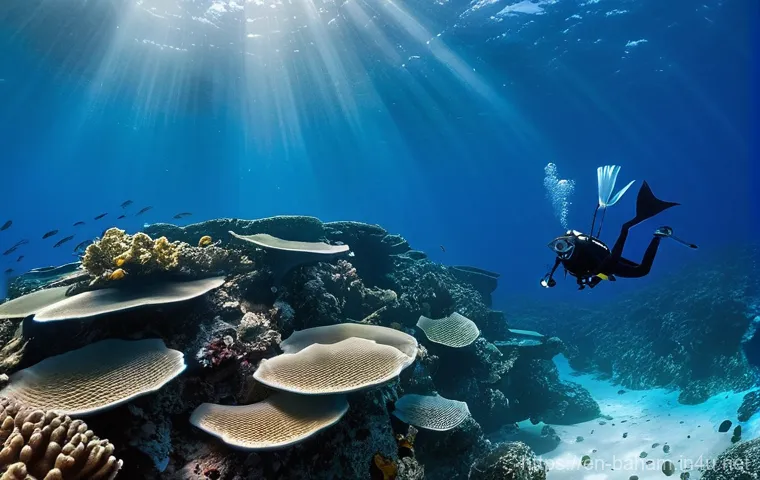
Many ocean-based blue holes, particularly around their rims and shallower sections, act like natural magnets for marine life. The Lost Blue Hole near Nassau, for example, is renowned for its diverse residents, including nurse sharks, reef sharks, graceful manta rays, angelfish, snapper, amberjacks, moray eels, and even sea turtles. I remember one dive there, just hovering at the rim, watching a majestic nurse shark glide effortlessly below – it was an almost spiritual moment. From May to early August, the Lost Blue Hole even hosts a large congregation of up to a hundred blacknose sharks that come to breed, which is an absolutely incredible sight to behold. These holes are often surrounded by seagrass beds and sandy bottoms, home to macro-life like jawfish, gobies, blennies, seahorses, and nudibranchs, if you take the time to look closely. It’s a micro-world buzzing with activity, right at the doorstep of the deep.
Inland Blue Holes: A Glimpse into Prehistoric Life
While offshore blue holes showcase vibrant marine ecosystems, the inland blue holes offer a different, yet equally fascinating, kind of life – often a glimpse into the past. Because some inland blue holes have anoxic (oxygen-poor) conditions at their depths, they become incredible natural preservation sites. This means they’ve yielded extraordinary fossilized remains of ancient animals that once roamed the Bahamas, long before humans arrived. Scientists have uncovered everything from extinct species to Lucayan artifacts and even human remains, providing invaluable insights into the islands’ prehistoric history and climate patterns. I find it absolutely wild to think that as you swim in these waters, you might be passing over a perfectly preserved ancient creature. It’s like a biological time capsule, offering secrets that could change what we know about early life on Earth. The research and conservation efforts by groups like the Bahamas Caves Research Foundation are crucial to protecting these irreplaceable sites.
Gearing Up for the Great Dive: Essential Tips for Explorers
Embarking on a blue hole adventure is undoubtedly one of the most rewarding diving experiences you can have, but like any incredible journey into the unknown, it requires a bit of preparation. From understanding the best times to visit to ensuring you have the right gear and guidance, these tips come straight from my own experiences and a lot of lessons learned along the way. Planning ahead makes all the difference between a good dive and an absolutely unforgettable one, so let’s make sure you’re ready to plunge into those captivating depths safely and confidently.
Best Seasons and Water Conditions for Your Descent
The Bahamas offers year-round diving, which is fantastic, but if you’re chasing the absolute best conditions for blue hole exploration, I personally lean towards the dry season from November to May. During these months, you’ll typically find stable weather, slightly cooler but still warm water temperatures ranging from 75-84°F (24-29°C), and most importantly, phenomenal visibility, often reaching 100-200+ feet. This clarity is a game-changer when you’re peering into the deep blue void of a blue hole. While summer (June to October) brings warmer water, it also means a higher chance of tropical storms or hurricanes, which can impact visibility and sea conditions. I’ve dived in both seasons, and while a summer dive can still be beautiful, nothing beats the crisp, clear waters of the dry season for truly appreciating the scale of these geological wonders. Plus, many dive operators have more consistent schedules during peak season, making logistics a breeze.
Safety First: Navigating the Depths with Confidence
As exhilarating as blue hole diving is, safety is always paramount. These are deep, often cavernous environments, and they demand respect and proper training. Most blue hole dives, especially the deeper ones, require at least an Open Water certification, and for truly exploring their cave systems, specialized cave diving certification is a must. Never attempt to deep dive into a blue hole without the proper training and guidance, or without a buddy. Some blue holes, particularly inland ones or those with strong currents, can be tidal, meaning the water flow can dramatically change, creating inward “suck” or outward “blow” currents. Always go with a reputable local dive operator who understands these dynamics. I’ve seen firsthand how quickly conditions can change, and having experienced divemasters who know the area inside and out is invaluable. They’ll ensure you have the right gear, from proper weighting to specialized lights, and brief you thoroughly on the dive plan. My advice? Don’t skimp on a good guide; their expertise is truly your best friend down there.
| Blue Hole | Location | Key Features | Depth (approx.) | Best For |
|---|---|---|---|---|
| Dean’s Blue Hole | Long Island | World’s second deepest; protected cove; calm surface conditions. | 663 ft (202 m) | Freediving, experienced scuba, snorkeling at surface. |
| Lost Blue Hole | Nassau, New Providence | Sheltered from currents; abundant marine life (sharks, rays, turtles). | 200+ ft (60+ m) | Certified scuba divers, marine life enthusiasts. |
| Captain Bill’s Blue Hole | Andros Island (Inland) | Part of Blue Holes National Park; easy access, boardwalks. | Variable, shallower access | Snorkeling, swimming, nature walks, birdwatching. |
| Treasure Cay Land Blue Hole | Great Abaco Island (Inland) | 76 meters deep; mix of fresh/salt water; unique jumps. | 250 ft (76 m) | Adventurous swimmers, unique inland experience. |
Echoes of the Past: History and Lore Beneath the Surface
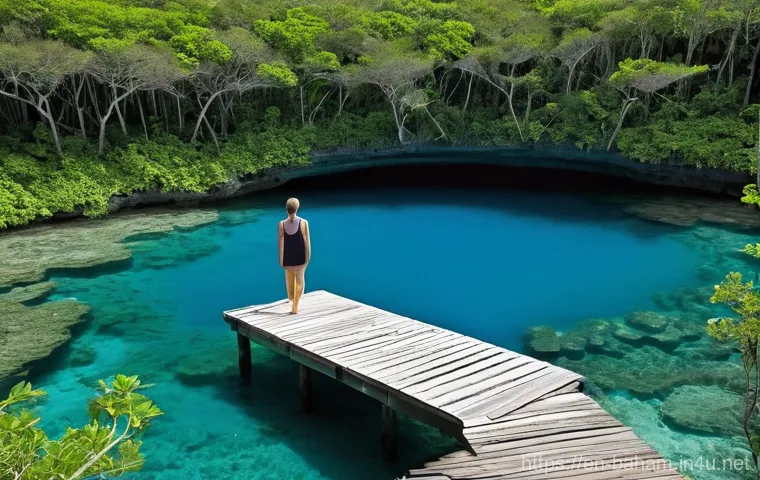
What I find truly enchanting about blue holes isn’t just their natural beauty, but the rich tapestry of history and folklore that surrounds them. These aren’t just geological formations; they’re portals to ancient worlds and whispered legends that have been passed down through generations. From the earliest inhabitants to modern-day scientists, everyone who encounters these mysterious depths feels their profound significance. When you’re floating silently in a blue hole, it’s easy to feel a connection to those who came before you, wondering what stories they told themselves about these enigmatic places. It adds an incredible layer of wonder to an already awe-inspiring experience.
Ancient Discoveries: Unearthing Pre-Columbian Secrets
Beyond their breathtaking beauty, blue holes serve as invaluable windows into the pre-Columbian history of the Bahamas. Thanks to the unique, anoxic conditions often found at their bottoms, organic material and ancient artifacts are remarkably preserved, offering scientists a treasure trove of information. Explorers have unearthed fossilized remains of extinct animals that once roamed these islands, changing what we know about their ancient ecosystems. Imagine finding evidence of creatures that disappeared millennia ago, perfectly preserved beneath the water! The Bahamas Caves Research Foundation (BCRF) has been instrumental in these scientific investigations, working to bring these underwater treasures to light and educate the public about their immense historical and ecological importance. It’s a humbling thought, swimming through waters that hold such profound secrets from a bygone era.
Local Legends and Lore: The Mythical Lusca
Of course, such mysterious places are bound to spark the imagination, and the blue holes of the Bahamas are no exception. Local communities and the indigenous Lucayan people have long regarded these holes with a mix of fear, reverence, and spiritual significance. Many stories speak of mythical creatures lurking in the deep, most famously the Lusca – a legendary sea monster often described as a hybrid of an octopus and a shark, capable of pulling boats and swimmers into the depths. While I’ve never personally encountered a Lusca (thank goodness!), the tales add to the mystique and remind you that these aren’t just ordinary dive sites. They’re places imbued with cultural significance, representing an ancient connection to the natural world. It’s part of what makes diving here so much more than just an underwater excursion; it’s an immersion into Bahamian heritage itself.
Guardians of the Deep: Protecting These Natural Wonders
As an avid explorer of these incredible blue holes, I feel a strong responsibility to advocate for their protection. These aren’t just pretty tourist attractions; they are vital ecological and historical sites, fragile ecosystems that require our mindful attention. The sheer number of blue holes in the Bahamas makes conservation a huge undertaking, but it’s one that passionate individuals and organizations are committed to. It’s truly inspiring to see how much effort goes into ensuring that these breathtaking portals to the past remain intact for future generations to marvel at. We all have a part to play in being respectful visitors to this underwater heritage.
Dedicated Conservation Efforts: Preserving Irreplaceable Sites
Thankfully, the Bahamian government and various non-governmental organizations (NGOs) have recognized the critical importance of these unique formations. The Bahamas Caves Research Foundation (BCRF) has been at the forefront of exploration, research, and, crucially, conservation efforts since the 1990s. They’ve worked tirelessly on proposals to protect vast areas, like the South Abaco Blue Holes Conservation Area, which contains some of the most highly decorated underwater caves in the world. It’s not just about protecting the caves themselves, but also the surrounding land, like the coppice and pine forests in the Blue Holes National Park on Andros, which provide habitat for rare bird species. These efforts ensure that the blue holes, with their unique cave fish and invertebrates, continue to thrive. I’ve been so impressed by the dedication of these groups, reminding me that we are merely guests in these ancient realms.
Responsible Tourism: Your Role in Preservation
As divers, snorkelers, and visitors, we play a crucial role in safeguarding the future of these natural treasures. It boils down to respecting the environment and following guidelines set by local experts. This means avoiding contact with delicate geological formations like stalactites and stalagmites, being mindful of your fin kicks around marine life, and absolutely never leaving any trash behind. Historically, blue holes have unfortunately been used for dumping garbage, which poses a serious threat to their delicate chemical composition and the creatures that call them home. Choosing reputable dive operators who prioritize conservation and educate their divers on responsible practices is also key. When I dive, I always try to leave no trace, taking nothing but photographs and leaving nothing but bubbles. Let’s all do our part to ensure these stunning blue portals remain pristine, continuing to offer wonder and scientific insight for countless years to come.
Beyond the Depths: What to Expect from Your Bahamian Adventure
So, you’ve heard all about the magic of the blue holes, the incredible marine life, and the ancient secrets they hold. But what’s the broader picture of a Bahamian dive trip like? It’s more than just dropping into a dark abyss; it’s a full-spectrum adventure that encompasses vibrant island culture, warm hospitality, and plenty of topside activities to complement your underwater explorations. I’ve found that combining a blue hole dive with other Bahamian experiences creates a truly unforgettable vacation, blending thrilling aquatic pursuits with relaxing island vibes. It’s a chance to fully immerse yourself in everything this incredible archipelago has to offer.
Combining Blue Hole Dives with Reef and Wreck Explorations
While blue holes are undeniably a highlight, the Bahamas offers a staggering array of other incredible dive sites. Many operators, especially around Nassau, offer multi-day dive packages that let you combine a blue hole dive with explorations of vibrant coral reefs and intriguing shipwrecks. I particularly love how you can experience the dramatic, almost eerie stillness of a blue hole in the morning, then switch gears to the bustling, colorful energy of a shallow reef in the afternoon. Imagine swimming amongst schools of tropical fish and healthy corals, or exploring the ghostly remains of a sunken ship – the famous James Bond wrecks near Nassau are a popular choice! These diverse itineraries ensure you get the most out of your time underwater, experiencing the full spectrum of Bahamian marine environments. Trust me, your logbook will thank you!
Planning Your Trip: Logistics and Accommodation
Planning your blue hole adventure is part of the fun! Most major islands offer dive operators, but Andros, Long Island, and Nassau/New Providence are prime locations for accessing blue holes. You’ll find a range of accommodation options, from luxurious resorts that often partner with dive shops to more intimate, local guesthouses. For those keen on maximizing their diving time, liveaboards are an excellent option, allowing you to visit multiple sites across different islands without the hassle of daily travel. Booking in advance, especially for shark-specific trips or during peak season (November to May), is always a smart move to secure your spot. And don’t forget the practicalities: ensure your scuba certification is current, consider dive insurance, and always factor in a few days of relaxation before and after your dives. It’s all part of crafting that perfect Bahamian escape, making memories that will last a lifetime.
Wrapping Things Up
Whew! What an incredible journey we’ve taken together, diving deep into the mysterious and awe-inspiring world of the Bahamian blue holes. Honestly, every time I visit one, I feel like I’m unlocking another one of Earth’s ancient secrets. They truly are magnificent, serving as more than just breathtaking dive sites; they’re vital ecosystems and irreplaceable historical archives. I truly hope this peek into their depths has sparked your own sense of wonder and perhaps even inspired your next big adventure. Remember, these are more than just pretty spots on a map; they’re living, breathing testaments to our planet’s incredible history.
Handy Tips for Your Blue Hole Adventure
1. Best Time to Go: Aim for the dry season, generally November to May. The weather is more stable, and visibility underwater is usually spectacular, giving you the clearest views into those deep blues, making for truly unforgettable experiences and incredible photo opportunities.
2. Book Ahead: Especially if you’re targeting specific dive operators or unique blue hole excursions, securing your spots in advance is a smart move. Popular tours fill up quickly, and you wouldn’t want to miss out on that bucket-list dive!
3. Certification is Key: For deeper dives, an Open Water certification is typically the minimum, and for exploring inside the caves, specialized cave diving certification is absolutely essential. Always dive within your training limits – your safety is the number one priority!
4. Local Currency & Customs: The Bahamian Dollar (BSD) is pegged to the US Dollar (USD), and both are widely accepted across the islands. Tipping for good service is customary, usually 15-20% for dive guides, boat crews, and restaurant staff, showing appreciation for their hard work.
5. Beyond the Dive: Don’t forget to explore the islands themselves! Enjoy the local cuisine, relax on pristine beaches, and immerse yourself in the vibrant Bahamian culture for a truly holistic vacation experience that goes far beyond the water’s edge.
Key Points to Remember
Exploring the Bahamas’ blue holes is an unparalleled adventure, a chance to connect with ancient geological wonders and diverse ecosystems that truly defy imagination. Remember, these magnificent formations are not just visually stunning; they are vital historical and ecological sites, deserving of our utmost respect and protection. Always prioritize safety by diving with certified, reputable operators, adhering strictly to your training limits, and being acutely aware of local conditions, especially potential currents and tides. Your responsible choices as an explorer directly contribute to preserving these unique underwater treasures for future generations to marvel at and study. Embrace the profound wonder, respect the delicate environment, and let the enduring magic of the blue holes truly captivate your soul!
Frequently Asked Questions (FAQ) 📖
Q: What exactly makes Bahamas blue holes so special and different from other dive sites?
A: Oh, where do I even begin? When I first heard about blue holes, I admit I was a little skeptical – just another cave dive, right? Boy, was I wrong!
What makes the Bahamas blue holes truly stand out is their incredibly unique geological formation. We’re talking about ancient cave systems that were formed during the last ice age, when sea levels were much lower.
As the ice melted, these caves flooded, creating these deep, dark, and utterly mesmerizing vertical shafts. But it’s not just the depth; it’s the incredible biodiversity and the ethereal beauty of the freshwater and saltwater layers meeting, creating these hazy, mystical haloclines.
I’ve personally witnessed the distinct contrast between the crystal-clear shallow water and the dark, beckoning depths below. It’s like stepping into another dimension, a living geological masterpiece that literally holds history within its walls.
You just don’t get that sense of ancient, untouched grandeur anywhere else. It’s a feeling of pure exploration, knowing you’re one of the few to witness something so profoundly old and beautiful.
Q: I’m intrigued! But is diving into these blue holes really safe for everyone, or do I need special training?
A: That’s a fantastic question, and one I get asked all the time! Diving into a blue hole is definitely an experience for the books, but it’s important to approach it with the right mindset and preparation.
While some shallow blue holes might be accessible for experienced open water divers with a local guide, for the truly breathtaking deep dives, you absolutely need advanced training.
We’re talking about certified cave diving or cavern diving specialties. The environment is completely different from a typical reef dive – overhead environments, limited visibility in certain areas, and managing specialized gear are all factors.
From my own dives, I can tell you that going with a reputable, experienced local guide who knows these specific sites like the back of their hand is non-negotiable.
They understand the currents, the potential hazards, and how to navigate safely. Don’t let that deter you though! With the right training and a professional team, it’s an incredibly rewarding and safe adventure.
Think of it less as a casual dip and more like an expedition – one that’s totally worth the effort for the sights you’ll see!
Q: What kind of incredible marine life and formations can I actually expect to see once I’m down there?
A: Oh, this is where the magic truly unfolds! You might think it’s just dark and empty down there, but let me tell you, the blue holes are bursting with life and ancient wonders.
When you first descend, you’ll often encounter schools of reef fish, sometimes even curious stingrays gliding by, especially around the entrance. But as you go deeper, past the halocline, the environment changes dramatically.
This is where you start seeing the truly unique creatures adapted to these low-light conditions – fascinating cave-dwelling shrimp, often translucent, and sometimes even blind cave fish that have evolved incredible sensory abilities.
And the formations? Absolutely mind-blowing! I’ve spent hours just marveling at the incredible stalactites and stalagmites that formed thousands of years ago when these caves were dry.
They often resemble intricate chandeliers or towering columns, glistening in your dive light. It’s like being in an ancient, submerged cathedral. The feeling of swimming through passages adorned with these geological masterpieces, knowing they’ve been there for millennia, is profoundly humbling.
It’s a photographer’s dream and an explorer’s paradise. Every dive reveals something new, a tiny crevice or a hidden chamber, making each trip feel like a personal discovery.
You’ll come back feeling like you’ve touched a piece of forgotten Earth.