The Bahamian sun beckons with its promise of pristine beaches and tranquil turquoise waters, a true slice of paradise we all dream of. But as seasoned island dwellers, or those simply planning to soak up the sun, know all too well, there’s another, more powerful force that shapes life here: hurricane season.
Having personally weathered a few, I can tell you there’s a unique blend of awe and anxiety that comes with those tropical depressions gathering strength.
While our islands are resilient, and our spirits unbreakable, being genuinely prepared is not just a recommendation—it’s your ultimate peace of mind. We’ve certainly seen hurricane patterns shifting, with some seasons feeling more intense and unpredictable than ever before.
Knowing what to do, how to secure your property, and keeping your loved ones safe becomes paramount. I’ve gathered all the essential insights and practical advice, drawing from real experiences and the latest meteorological wisdom, to help you navigate this vital time of year.
Let’s make sure you’re ready for anything the Atlantic decides to throw our way! Dive into the details below for everything you need to know.
Decoding the Atlantic’s Dance: Understanding Hurricane Season’s Rhythms
Living in the beautiful Bahamas, we’re constantly attuned to the subtle shifts in our tropical climate, and perhaps no period demands more of our attention than hurricane season. It’s not just a date on a calendar; it’s a living, breathing entity that shapes how we approach half of our year. Officially, it runs from June 1st through November 30th, but in my many years here, I’ve learned that the true heart of the season, when things really start to get serious, often falls between mid-August and late October. That’s when the ocean waters are warmest, fueling those massive systems we all dread. We’ve certainly observed some unsettling trends lately, with storms forming earlier, intensifying faster, and taking unexpected paths. It’s no longer enough to just know the dates; we need to understand the nuances, the historical patterns, and the ever-evolving nature of these powerful weather events. This deep dive isn’t meant to scare, but to empower you with the knowledge to read the signs and react smartly, keeping your family and property safe. I’ve personally seen how understanding these rhythms can make all the difference, allowing us precious time to prepare when a potential threat emerges from the horizon.
The Peak Season and What It Means for Us
When locals talk about “the thick of it,” we’re generally referring to those intense weeks from mid-August into September and October. This is historically when the most active and powerful storms develop, and honestly, it’s when my personal anxiety levels tend to tick up a notch. It’s during these months that we’re most likely to see those terrifying Category 3, 4, or even 5 hurricanes. For us, this means heightened vigilance is key. We watch the National Hurricane Center reports religiously, not just for storm tracks, but for the slightest indications of development. It affects everything from school schedules to supply runs at the local grocery store. I’ve learned that a proactive approach during these peak times, even if it feels a bit overzealous, is always better than scrambling at the last minute. Thinking ahead about your evacuation routes, topping off your car’s gas tank, and having your emergency kit fully stocked becomes second nature. It’s about building a rhythm of preparedness that mirrors the season itself.
Unpredictable Paths and Rapid Intensification: New Realities
Gone are the days when we could rely solely on long-range forecasts that felt somewhat stable. What I’ve truly noticed in recent years, and it’s a sentiment shared by many of my neighbors, is how quickly these storms can spin up and intensify. One day it’s a tropical depression, the next it’s a major hurricane barreling our way, leaving precious little time to react. This rapid intensification, often fueled by unusually warm ocean temperatures, adds a whole new layer of urgency to our preparedness efforts. It means we can’t afford to be complacent; the moment a system even hints at development in our general direction, we need to be on high alert. My advice? Don’t wait for a direct hit to be forecast. Start your checks, secure your outdoor items, and review your family plan as soon as a named storm enters the wider Caribbean or Atlantic. It’s about being nimble and ready to accelerate your preparations at a moment’s notice, because as I’ve seen firsthand, these storms don’t always give us the luxury of a long lead time.
Fortifying Your Fortress: Essential Steps for Property Protection
Protecting our homes and businesses is absolutely paramount when a hurricane threatens. After all, these structures are more than just buildings; they’re our sanctuaries, our livelihoods, and the foundations of our community. I’ve lived through enough storms to know that even a seemingly minor oversight can lead to major damage. It’s not just about boarding up windows; it’s about a comprehensive approach to securing every aspect of your property. From trimming overgrown trees that could become dangerous projectiles to ensuring your roof is in tip-top shape, every detail counts. I personally make it a point to walk around my property well before hurricane season officially begins, looking for potential weaknesses or areas that need attention. This proactive mindset not only mitigates damage but also gives me immense peace of mind. It’s about making sure that when the winds start to howl, your property is as resilient as possible, protecting what matters most within its walls.
Securing Windows, Doors, and Garage Entries
When a hurricane warning is issued, one of my top priorities, and what I see everyone else doing too, is battening down the hatches. Windows are the most vulnerable points. Whether you opt for plywood, permanent hurricane shutters, or impact-resistant glass, ensure they are properly installed and ready to deploy at a moment’s notice. I keep my pre-cut plywood labeled and stored in the garage, ready to go. Don’t forget your doors, especially double entry doors and sliding glass doors, which can be susceptible to high winds. Reinforce them if possible, and ensure their locking mechanisms are robust. Garage doors are also a huge concern; strong winds can bow them inward, creating a massive opening for wind and water to enter, potentially compromising the entire roof structure. Many hardware stores here sell garage door reinforcement kits, and I highly recommend investing in one if you haven’t already. I’ve seen too many instances where a seemingly minor vulnerability like a weak garage door led to extensive damage, and it’s a lesson you only want to learn once.
Clearing Your Yard and Securing Outdoor Items
This might seem obvious, but it’s amazing what people forget in the rush! Before a storm hits, your yard needs to be stripped bare of anything that isn’t bolted down – and even some things that are. Lawn furniture, garbage cans, garden tools, potted plants, decorations, and even children’s toys can become incredibly dangerous projectiles in hurricane-force winds. I make a full sweep of my property, often with the help of my kids, collecting everything and bringing it inside or securing it in a shed. Don’t underestimate the power of windborne debris. Even small items can shatter windows or damage roofs. If you have any trees, especially large ones near your house, ensure they are regularly trimmed by a professional. Overhanging branches are a serious hazard. For items like BBQ grills or larger generators that can’t be brought inside, tie them down securely to a sturdy anchor point. My personal rule of thumb is: if it can fly, it needs to be tied or brought in. Trust me, you don’t want to be retrieving your neighbor’s outdoor grill from your living room after the storm.
Considering Generator Power and Fuel Storage
After a hurricane, losing power isn’t just an inconvenience; it can last for days, sometimes weeks, especially in more remote areas of our islands. That’s why having a reliable generator is, for many of us, not a luxury but a necessity. I invested in a good portable generator years ago, and it’s been a lifesaver, keeping our fridge running and allowing us to charge essential devices. But owning a generator comes with its own set of preparations. First, ensure it’s regularly serviced and in good working order. Second, and critically, you need a safe and sufficient supply of fuel. Gasoline stations can be overwhelmed or out of service after a storm, so having a few days’ worth of fuel safely stored is crucial. Always store fuel in approved containers in a well-ventilated area, away from your home. And remember, NEVER run a generator indoors or in an enclosed space due to carbon monoxide poisoning risks. I’ve heard too many tragic stories, so please, if you have a generator, prioritize safety above all else when using it. It’s a fantastic tool for resilience, but only when handled with extreme care.
Crafting Your Hurricane Survival Kit: Beyond the Basics
You’ve probably seen endless lists online for hurricane kits, and while they all have good intentions, living through a few of these storms has taught me that there’s a huge difference between a basic checklist and a truly *effective* survival kit. This isn’t just about having canned goods; it’s about anticipating real-world scenarios – long power outages, limited communication, and the psychological toll a storm can take. I approach my kit like I’m packing for an unexpected, rugged camping trip at home, for at least a week, potentially longer. It’s about preparedness that goes beyond the obvious, considering comfort, sanity, and the unique needs of your family. Every year before June, my family and I do a full inventory, checking expiration dates on food and medicine, testing flashlights, and making sure our water supply is good. It’s become a bit of a ritual, but it’s a non-negotiable one, because when that storm warning goes up, the last thing you want is to be scrambling for essentials.
Essential Provisions for Sustained Comfort
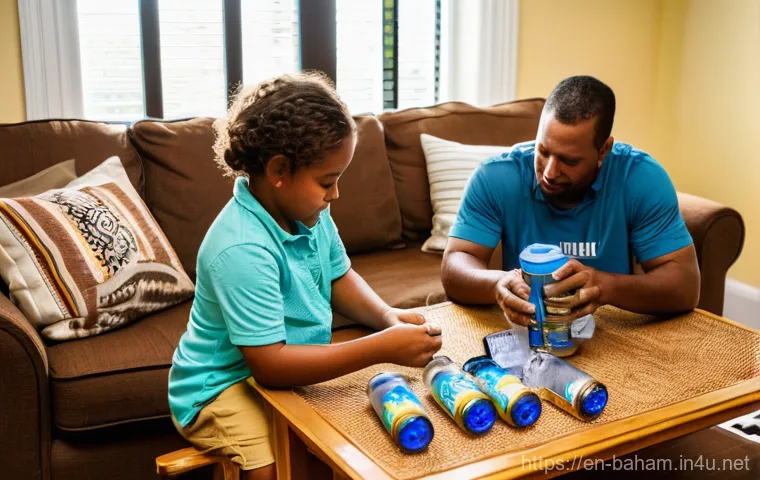
When it comes to food and water, we’re talking about more than just the bare minimum. You need enough non-perishable food for at least 7-10 days, ideally those that don’t require cooking. Think canned tuna, chicken, beans, dried fruit, nuts, granola bars. And water? Plan for at least one gallon per person per day for drinking and basic sanitation. I also stash away a few gallons of non-potable water for flushing toilets if the water pressure drops. Beyond sustenance, consider comfort items: a manual can opener, disposable plates and cutlery, baby supplies if needed, pet food, and basic toiletries. Don’t forget a first-aid kit that’s fully stocked with pain relievers, bandages, antiseptic wipes, and any prescription medications your family might need. I also add things like wet wipes and hand sanitizer – when water might be scarce, these become invaluable for personal hygiene. It’s about creating a sense of normalcy and health amidst the chaos, something I’ve found incredibly helpful during past outages.
Powering Through the Outage: Light, Communication, and Entertainment
A power outage can feel isolating and disorienting, especially at night. That’s why a variety of light sources is crucial. I keep several battery-powered lanterns, headlamps (hands-free is a game-changer!), and a good supply of fresh batteries. Flashlights are good, but lanterns provide ambient light, which is much better for morale. For communication, a battery-powered or hand-crank NOAA weather radio is non-negotiable for receiving critical updates when cell service is down. I also charge all my portable power banks and ensure my car charger is handy. Consider having a basic, fully charged cell phone (or an old one with a charged battery for emergencies). And for entertainment? Especially if you have kids, a few books, board games, or coloring supplies can make a world of difference in keeping spirits up and passing the long hours without electricity. I’ve found that simple distractions can go a long way in managing the anxiety that comes with being cut off.
Important Documents and Financial Resilience
This is one area where many people fall short, but it’s absolutely vital. In the aftermath of a severe storm, you might need quick access to important papers for insurance claims, identification, or financial transactions. I keep copies of essential documents – passports, birth certificates, insurance policies (home, car, health), bank account numbers, and property deeds – sealed in a waterproof, fireproof bag that’s easy to grab if we need to evacuate. Even better, scan them and store them on a cloud service or a waterproof USB drive that you keep with you. Cash is king after a hurricane; ATMs won’t work, and credit card systems will be down. I always have a substantial amount of small bills on hand. Think about how much you’d need for several days without access to banks or electronic payments. This financial foresight can really alleviate stress during an already challenging time, ensuring you can cover immediate needs for food, fuel, or emergency repairs.
| Category | Essential Items | Notes for Bahamian Context |
|---|---|---|
| Water & Food | 1 gallon water/person/day (7-10 days supply), Non-perishable foods (canned goods, protein bars, dried fruit), Manual can opener | Local stores may have limited stock post-storm; stock up well in advance. Consider a water filter/purifier. |
| First Aid & Hygiene | Comprehensive first-aid kit, Prescription medications (7-day supply), Hand sanitizer, Wet wipes, Toiletries, Feminine hygiene products | Pharmacies might be closed or low on supplies; ensure personal medical needs are met. |
| Lighting & Power | Battery-powered lanterns/flashlights, Extra batteries, NOAA weather radio (battery/crank), Power banks, Car charger | Outages can be extensive. Solar-powered chargers for small devices are a bonus. |
| Documents & Cash | Waterproof bag with copies of ID, insurance policies, deeds; Plenty of small denomination cash | ATMs and banks will be offline; cash is vital for immediate purchases. |
| Tools & Security | Basic tool kit, Whistle, Fire extinguisher, Plywood/shutters for windows, Tie-downs for outdoor items | Know how to shut off utilities (water, electricity) if necessary. |
| Comfort & Child Needs | Books, Games, Toys, Pet food & supplies, Extra clothing, Blankets/sleeping bags | Keeping children and pets calm and occupied is crucial for morale. |
Navigating Communication Blackouts and Evacuation Routes
When a hurricane hits, especially a powerful one, one of the most unsettling experiences is the sudden silence – no cell service, no internet, sometimes not even landlines. It’s a stark reminder of our reliance on modern infrastructure and why having a backup plan for communication and knowing your escape routes like the back of your hand is absolutely critical. I remember during one particularly strong storm, my cell went dead for three days, and the anxiety of not knowing if my family on other islands was safe was agonizing. That experience taught me invaluable lessons about alternative communication methods and the importance of having a robust, well-rehearsed evacuation strategy. It’s not about panicking; it’s about having a clear head and a clear path when chaos descends.
Staying Connected When the Grid Goes Down
Your cell phone, while useful beforehand, will likely become a paperweight during and immediately after a major hurricane. That’s why having a plan for communicating without it is crucial. First, invest in a battery-powered or hand-crank NOAA weather radio. This isn’t just for weather updates; it often broadcasts emergency information from local authorities. For family and friends, establish an out-of-state contact person. Everyone in your immediate family should know this person’s number. If local lines are jammed, it’s often easier to make long-distance calls, so you can check in with your designated contact, who can then relay messages to other family members. I’ve also found old-fashioned walkie-talkies can be surprisingly effective for short-range communication with neighbors if power is out and you need to check on each other. And remember, conserve your cell phone battery for true emergencies; don’t waste it on social media. Text messages often go through when calls can’t, so try that first.
Knowing Your Escape: Evacuation Plans and Routes
Evacuation isn’t always necessary, but when it is, it needs to be swift and decisive. The first step is to know if you live in an evacuation zone. Local emergency management agencies will clearly delineate these, so familiarize yourself with them long before a storm approaches. Have a predetermined meeting place for your family both outside your home (in case of immediate danger) and outside your neighborhood or even island. My family has a plan for where we’d meet if we had to leave our house quickly, and we’ve also designated a safe place on a higher ground island, accessible by ferry or flight, should a full-scale evacuation be ordered for our area. Practice your evacuation routes. Don’t just pick one; have alternative routes in mind in case roads are blocked or flooded. Keep your car’s fuel tank at least half full during hurricane season. Traffic can be horrendous during an evacuation, and you don’t want to run out of gas. It’s a sobering thought, but having a clear, rehearsed plan can truly be a lifesaver, allowing you to move quickly and safely when time is of the essence.
After the Winds Subsides: Recovery and Rebuilding Our Resilient Islands
The moment the eye passes, or the storm finally moves on, brings a strange mix of relief and trepidation. The immediate aftermath of a hurricane is a critical period, and how you act in those first few hours and days can significantly impact your safety and the speed of your recovery. I’ve walked through the silent streets after a storm, surveying the damage, and it’s always an eerie experience. Power lines are down, trees are uprooted, and familiar landscapes are often unrecognizable. It’s a time when community truly shines, but also when personal safety and careful decision-making are paramount. This isn’t just about cleaning up; it’s about navigating a changed environment, assessing damage safely, and starting the long process of getting back to normal. My experience has taught me that patience, caution, and a willingness to help others are your most valuable tools in the recovery phase.
Prioritizing Immediate Safety and Damage Assessment
Once the storm has passed, and only when authorities declare it safe to venture outside, resist the urge to immediately run out and survey every inch of damage. Your first priority should always be safety. Look out for downed power lines – assume they are live and dangerous. Avoid walking through floodwaters, as they can conceal hazards like debris, sharp objects, or even snakes. Check for structural damage to your home, paying attention to gas leaks (a strong sulfur smell) or roof integrity. If you suspect any serious damage, like a gas leak or structural compromise, evacuate immediately and notify emergency services. Take photos or videos of all damage for insurance purposes before you start any cleanup. I learned this the hard way after one storm, not having enough documentation. Your phone (if it survived and is charged) is your best friend for this. Also, be mindful of your neighbors; a quick check-in to ensure they’re safe can go a long way in fostering community resilience.
The Long Road to Restoration: Cleanup and Support
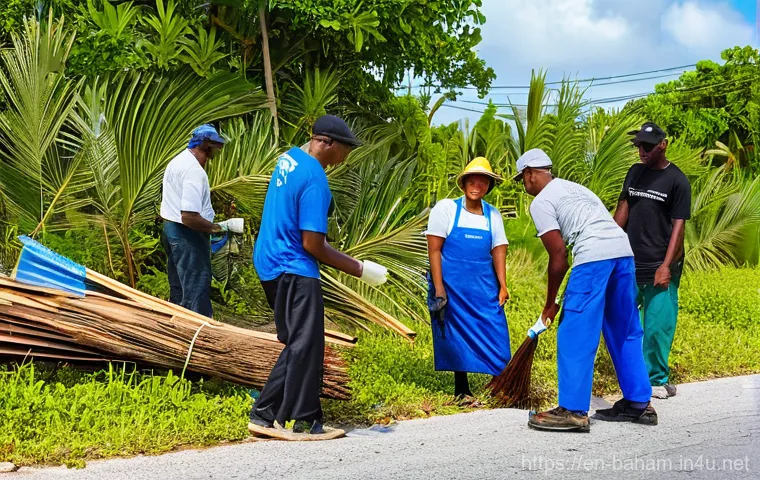
Cleanup after a hurricane is a massive undertaking, and it often feels overwhelming. Start by clearing debris that poses immediate hazards around your home. Wear sturdy shoes, gloves, and protective clothing. Be careful with chainsaws or heavy tools; if you’re not experienced, leave it to professionals. For perishable food in your fridge or freezer, if power has been out for more than four hours, it’s generally safest to throw it out to avoid food poisoning. Keep a cooler with ice for essential items. One of the most beautiful things about living in the Bahamas is our community spirit during these times. Neighbors help neighbors, clearing roads, sharing resources, and offering emotional support. Don’t be afraid to ask for help, and be ready to offer it. Local government and non-profit organizations will also begin setting up distribution centers for aid and relief, so keep an ear out for those announcements on your NOAA radio. It’s a marathon, not a sprint, and leaning on each other makes the journey a little less daunting.
Financial Foresight: Securing Your Future with Insurance and Records
Let’s be honest, talking about insurance and financial documents isn’t the most exciting part of hurricane preparedness, but it’s arguably one of the most critical. When disaster strikes, the emotional and physical toll is immense, and the last thing you want to be worrying about is whether your home, belongings, or even your livelihood are covered. I’ve seen firsthand the heartache and added stress that comes from inadequate insurance or lost paperwork. It’s a silent preparation that can make all the difference between a devastating loss and a manageable recovery. Think of it as investing in your future peace of mind. Taking the time now to review your policies, understand your coverage, and organize your documents can save you countless headaches and thousands of dollars down the line. It’s the practical, grown-up side of island living that ensures our beautiful paradise can truly remain a paradise, even after a storm.
Understanding Your Insurance Coverage: Home, Auto, and Flood
This is where many of us get tripped up. Most standard homeowner’s insurance policies in the Bahamas, like in many coastal regions, often exclude flood damage. You’ll likely need a separate flood insurance policy, especially if you live in a low-lying or coastal area. I always advise my friends to sit down with their insurance agent well before hurricane season to really understand the nuances of their coverage. What’s your deductible for wind damage? What about personal belongings? Are there any exclusions for certain types of damage? Don’t just assume you’re covered. Review your auto insurance too, ensuring you have comprehensive coverage that would pay for damage to your vehicle from wind, hail, or falling trees. It’s also wise to check if your policy provides for temporary living expenses if your home becomes uninhabitable. This foresight might seem tedious, but I promise you, when you’re facing a damaged home, knowing you’re financially protected is an incredible relief. It’s about proactive protection, not reactive regret.
Safeguarding Vital Documents and Creating a Financial Kit
Your important papers are irreplaceable and essential for recovery, especially when it comes to insurance claims. I maintain a waterproof, fireproof container that holds original copies of our home insurance policy, flood insurance policy, vehicle titles, birth certificates, passports, social security cards, wills, and critical financial account information. But here’s a crucial tip: also have digital copies stored securely in the cloud or on an encrypted USB drive that you keep with you or in a safe deposit box off-island. This redundancy ensures that even if physical documents are lost, you still have access to the information you need. Beyond documents, create a “financial kit” of sorts. This includes a healthy supply of cash in small denominations (ATMs and card machines will likely be out of commission), credit cards (for when systems come back online), and a list of important contact numbers for your insurance agent, bank, and any other financial institutions. Having this kit ready means you’re prepared to manage immediate expenses and start the claims process without added stress.
Harnessing Community Strength: The Bahamian Spirit of Mutual Aid
One of the most profound things I’ve come to appreciate about living in the Bahamas, especially during challenging times, is our incredible sense of community. When a hurricane threatens or passes, it’s not just individuals preparing; it’s entire neighborhoods, settlements, and islands coming together. We’re fiercely independent, yes, but we also understand that our strength lies in unity. I’ve seen countless examples of neighbors helping neighbors board up homes, share scarce resources, and offer emotional support in the aftermath. This spirit of mutual aid isn’t just a nice-to-have; it’s a vital component of our resilience, deeply embedded in our culture. Knowing you’re part of a supportive network can make all the difference when facing the daunting task of recovery. It’s about more than just surviving; it’s about thriving together, rebuilding stronger, and reinforcing the bonds that tie us to this beautiful place.
Connecting with Your Neighbors and Local Groups
Before a storm even thinks about making landfall, take the time to get to know your neighbors. Exchange contact information, especially if you have elderly or vulnerable residents nearby. I’ve found that creating an informal neighborhood chat group (even a simple WhatsApp group) can be incredibly effective for sharing real-time updates, coordinating preparations, and checking in on each other when communication lines are spotty. Many communities also have local hurricane preparedness committees or civic organizations. Get involved! These groups often coordinate official relief efforts, identify local shelters, and organize volunteer clean-up crews. They’re a fantastic resource for localized information and a great way to contribute to the collective safety of your area. My own experience has shown me that those neighborhoods with strong internal networks recover faster and more effectively, because they can mobilize resources and support from within.
Volunteering and Supporting Local Relief Efforts
Once the immediate danger has passed and you’ve secured your own family and property, consider how you can contribute to the broader recovery efforts. There’s always work to be done, whether it’s helping clear debris from public roads, assisting at community kitchens, or simply offering a kind word and a helping hand to those who have lost more. Local churches, community centers, and established non-profit organizations like the Bahamas Red Cross or Rotary Clubs often become central hubs for organizing volunteers and distributing aid. Keep an eye out for their announcements – often broadcast on local radio or shared through community networks – for ways you can safely get involved. Giving back not only helps your community heal, but it also provides a powerful sense of purpose and connection during what can be a very disorienting time. I’ve volunteered after several storms, and the feeling of collective purpose, of seeing our islands slowly but surely come back to life, is truly unparalleled.
Concluding Thoughts
So, as we chart our course through another hurricane season, I hope this deep dive has given you not just information, but also a profound sense of empowerment. Living here in the Bahamas, we learn that preparedness isn’t just a chore; it’s a vital part of our island rhythm, a testament to our resilience and community spirit. By taking these steps, from securing our homes to supporting our neighbors, we ensure that no matter what the Atlantic brings, we’re ready to face it with confidence and rebuild stronger. Stay safe, stay smart, and remember, we’re all in this together.
Useful Information to Know
1. Always monitor official sources like the National Hurricane Center (NHC) and local meteorological services for the most accurate and up-to-date information. Don’t rely solely on social media rumors or unverified reports, as misinformation can spread quickly and cause unnecessary panic.
2. Review your insurance policies annually, especially for flood coverage, as standard homeowner’s insurance often doesn’t cover it. Understand your deductibles and coverage limits for wind and other perils, and clarify any questions with your agent well before the season peaks.
3. Create and practice a comprehensive family hurricane plan, including evacuation routes, designated meeting spots, and an out-of-state contact person for communication, as local lines can often be overwhelmed or out of service after a storm. This shared knowledge can be a lifesaver.
4. Build a comprehensive emergency kit that goes beyond basic food and water, including important documents, ample cash, entertainment for kids, and alternative power sources like solar chargers or power banks. Think about the specific needs of every family member and pet.
5. Engage with your local community. Share resources, check on elderly or vulnerable neighbors, and consider volunteering with local relief efforts once the storm has safely passed. Our strength lies in unity, and collective action makes recovery much smoother for everyone.
Key Takeaways
Ultimately, navigating hurricane season in the Bahamas boils down to three core principles: proactive preparation, steadfast community, and informed resilience. Never underestimate the immense power of these storms, but also never underestimate our collective ability to withstand and recover. By making preparedness a year-round habit, understanding the ever-changing nature of these weather events, and supporting each other through every challenge, we not only minimize risk but also strengthen the very fabric of our island life. Remember, every action you take now contributes significantly to a safer, more secure tomorrow for yourself and your loved ones. Stay vigilant, stay connected, and let’s continue to protect our beautiful home with the care and dedication it deserves.
Frequently Asked Questions (FAQ) 📖
Q: When exactly is hurricane season in the Bahamas, and how can I really know if a storm is heading our way?
A: Oh, that’s the million-dollar question, isn’t it? As someone who’s been through a few, I can tell you it’s a time of year that always keeps us on our toes.
Officially, hurricane season in the Atlantic runs from June 1st right through to November 30th. From my experience, the real intensity often kicks in around August, peaking in September and October.
That’s when we usually see those big, swirling systems forming out in the warm waters. To truly stay in the know, I’ve found it absolutely critical to rely on credible sources.
Forget the neighborhood rumors; your go-to should always be the National Hurricane Center (NHC) – their website and advisories are a lifesaver. Locally, our Bahamian Department of Meteorology provides excellent, real-time updates tailored to our islands, which I personally check daily once things start looking active.
Trust me, paying attention to those storm tracks early on, even when they’re just tropical waves, can save you a world of stress later. It’s not just about tracking the Category 5 giants; even a strong tropical storm can bring significant flooding and winds, so awareness is your best friend here.
Q: What are the absolute must-dos to secure my home and keep my family safe before a storm actually hits?
A: This is where preparation really shines through, and believe me, I’ve learned a few hard lessons over the years! First off, securing your property is paramount.
Those patio chairs, grills, and even those pretty potted plants can become dangerous projectiles in high winds. My family and I always make a sweep of the yard, bringing everything indoors or securing it tightly.
If you have hurricane shutters, get them up early. If not, having plywood cut and ready for your windows is a wise investment – I know from experience that trying to cut plywood in a strong breeze is no fun!
Inside, your emergency kit is your lifeline. Think non-perishable food and water for at least a week, a first-aid kit, a battery-powered or hand-crank radio, flashlights, extra batteries, and definitely a good supply of cash.
ATMs can be out of order for days after a storm. And here’s a tip from my own playbook: fully charge all your phones, laptops, and power banks the moment a storm warning is issued.
Communication becomes tricky, and having a charged device can make all the difference. Most importantly, have a family plan: know where your safe room is, and discuss what to do if you get separated.
It sounds intense, but it gives you such peace of mind.
Q: Once a storm has passed, or during the immediate aftermath, what’s the best way to handle things and stay connected?
A: The “all clear” signal is always a huge relief, but the immediate aftermath can be just as challenging as the storm itself. My number one piece of advice here, and I cannot stress this enough, is to stay put until official authorities declare it safe to go outside.
There are so many hidden dangers: downed power lines that could still be live, compromised structures, and flooded areas you can’t see through. I remember one time, eager to check on a neighbor, I almost stepped into a flooded ditch where a live wire was sparking – a truly chilling moment.
Once it’s safe, prioritize checking on your loved ones and neighbors, especially the elderly or those who live alone. Communication can still be spotty, but if you have a charged phone or that trusty radio, listen for updates from local emergency services on where to get help or what areas to avoid.
Power outages are common, sometimes lasting for weeks, so living off your emergency kit might be the new normal for a bit. Water purification tablets or bottled water are crucial as tap water might not be safe.
And a final, personal thought: be patient and kind. Everyone is dealing with stress and disruption, and our island community truly shines during these times, helping each other rebuild and recover.