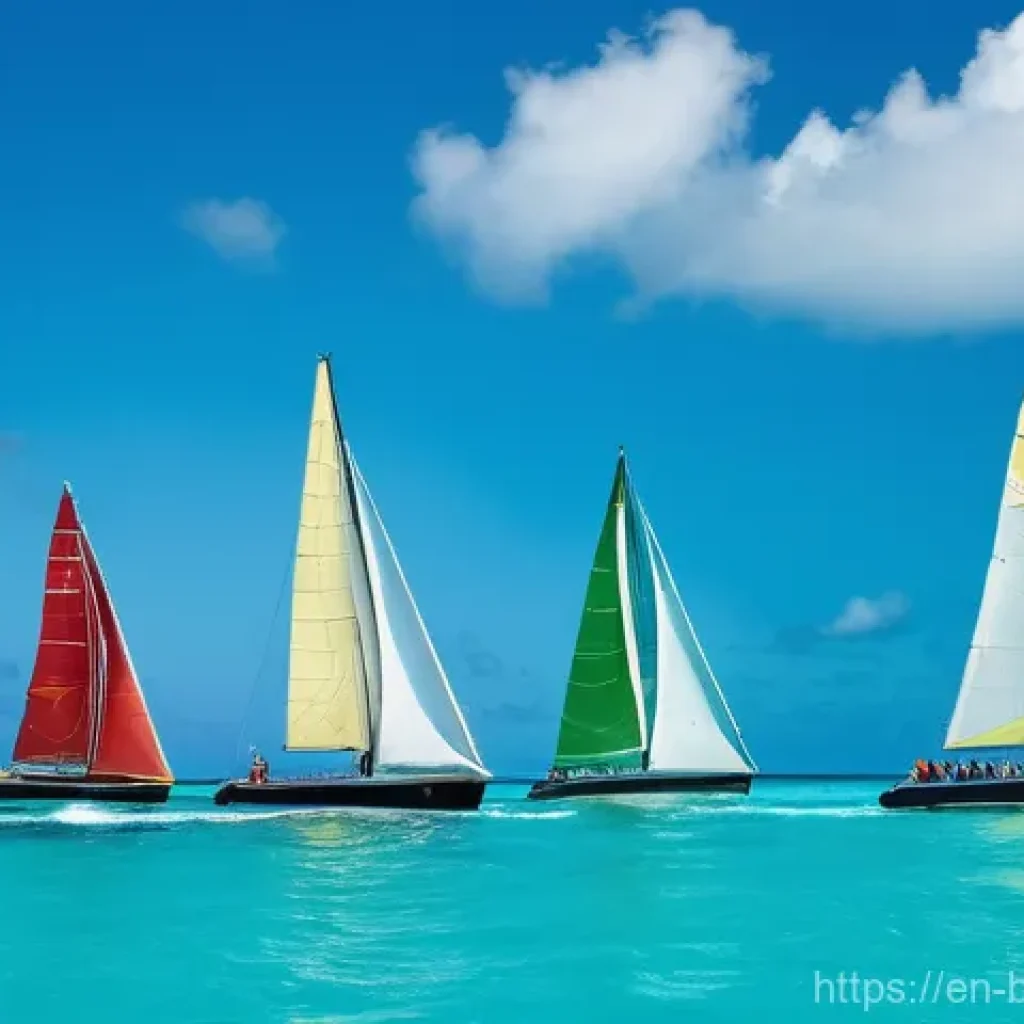
Ever wonder what truly makes a nation’s heart beat? Beyond the dazzling turquoise waters and the vibrant energy of Nassau, I’ve always found that the soul of a place often lies in its traditions, especially its sports.
The Bahamas, a true gem of the Caribbean, might surprise you with what its people hold most dear when it comes to athletic pride. I remember my first visit, mesmerized by the clear seas, but it wasn’t until I saw the local boats, the sloops, dancing across the waves that I really felt the pulse of the islands.
It’s more than just a pastime; it’s a profound connection to their heritage. This isn’t your average globalized sport; it’s a testament to Bahamian ingenuity and a fierce love for the sea that flows through generations.
I’ve personally seen the raw passion and skillful craftsmanship that goes into these unique vessels, feeling the palpable excitement during the regattas where communities unite, celebrating not just a race but their very identity.
In a world constantly seeking authentic experiences, this sport truly stands out, offering a window into the rich culture of these islands. What’s truly fascinating is how this traditional pursuit continues to capture imaginations, drawing visitors and locals alike to thrilling events that are far more than just competitions—they’re lively festivals showcasing Bahamian spirit, music, and delicious food.
It’s a powerful example of how safeguarding cultural roots can also be a vital part of a nation’s future, blending deep-seated traditions with vibrant tourism.
My experience tells me that understanding this sport unlocks a deeper appreciation for the Bahamas as a whole. So, if you’ve ever wanted to truly get beneath the surface of this incredible archipelago, to understand what fires up its people and binds them together, you’re in for a treat.
Let’s delve into the captivating world of the Bahamas’ national sport and discover its rich history and enduring charm!
The Majestic Dance of Bahamian Sloops
I’ve traveled to so many beautiful places, but there’s just something inherently captivating about seeing those traditional Bahamian sloops glide across the turquoise waters.
It’s a sight that sticks with you, a feeling of pure, unadulterated joy that truly defines the spirit of these islands. This isn’t just about boats; it’s about a living, breathing piece of Bahamian history that continues to evolve.
Each sloop, often hand-built with meticulous care and passed down through generations, tells a story of ingenuity, resilience, and a deep connection to the sea.
When you witness a regatta, you’re not just watching a race; you’re witnessing generations of skill, knowledge, and passion come alive on the water. It’s an electrifying atmosphere where the cheers of the crowd blend with the rhythmic slap of sails against the wind, creating a symphony that resonates deep within your soul.
I remember standing on the shore during the Family Island Regatta in Georgetown, Exuma, feeling the sheer energy radiate from both the competitors and the spectators – it was an experience that truly grounded me in the Bahamian way of life, something you just can’t get from a glossy travel brochure.
The vibrant colors of the sails against the impossibly blue backdrop are more than just aesthetically pleasing; they are symbols of fierce pride and community spirit.
It’s a spectacle that makes you understand why this isn’t just a sport, but a cherished national treasure, a heritage preserved with every tack and jibe.
The dedication involved, from the boat builders shaping planks to the sailors expertly trimming sails, is palpable and truly inspiring.
A Legacy Forged by the Waves
The roots of sloop sailing in the Bahamas run incredibly deep, going back to the days when these vessels were essential for survival, commerce, and connection between the scattered islands.
Originally, these weren’t leisure crafts, but hardworking boats that transported goods, people, and served as the lifeblood of island communities. Over time, as modern transportation emerged, the competitive spirit of the sailors transformed these utilitarian boats into magnificent racing machines, preserving the art of boat building and sailing.
It’s truly fascinating to see how a necessity evolved into a beloved national sport, deeply intertwined with the cultural fabric. The design of these sloops, characterized by their robust construction and impressive sail area, is a testament to Bahamian engineering, perfectly adapted to the sometimes challenging Caribbean seas.
This evolution from practical workhorses to symbols of athletic prowess is a unique narrative that you just don’t find everywhere.
More Than Just a Race: A Community Celebration
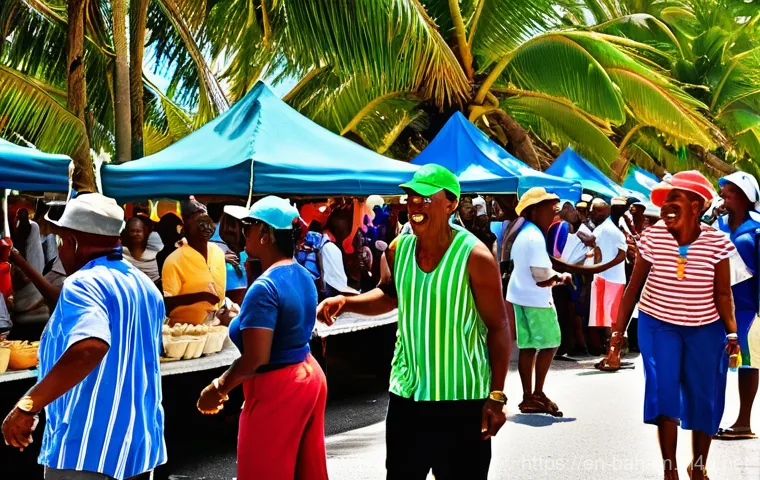
What really sets Bahamian regattas apart is the incredible sense of community they foster. These events aren’t just for sailors; they are full-blown festivals that bring entire islands to life.
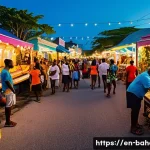
Think vibrant music, incredible local food, laughter, and an infectious spirit of camaraderie that envelops everyone. I’ve been to many sporting events around the world, but the pure, unadulterated joy and unity you feel at a Bahamian regatta are truly unparalleled.
Families gather, friends reunite, and even visitors are welcomed into the fold, sharing in the excitement and celebrating together. It’s a powerful example of how tradition can continue to bind people together in an increasingly fast-paced world.
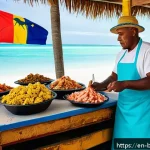
The shores come alive with vendors, live bands playing Junkanoo rhythms, and the tantalizing aroma of grilled conch filling the air, creating an unforgettable sensory experience.
The Craftsmanship Behind the Canvas
The art of building a Bahamian sloop is a marvel to behold, a true testament to ancestral knowledge passed down through generations. These aren’t boats churned out by a factory; each one is a labor of love, crafted with precision and an intimate understanding of wood, wind, and water.
I’ve had the privilege of speaking with some of the master boat builders, their hands calloused but their eyes bright with passion as they explain the nuances of selecting the right timber, bending the planks, and meticulously fitting each piece.
It’s a dying art in many parts of the world, but here in the Bahamas, it thrives, sustained by the enduring love for the sport and the pride in their heritage.
The selection of materials, often native hardwoods, is crucial, as is the unique hull design that allows these heavy boats to perform so dynamically on the racecourse.
The process is a careful balance of tradition and innovation, where old techniques are respected but new insights are always considered to gain that competitive edge.
From Timber to Triumphant Vessel
The journey of a Bahamian sloop, from raw timber to a triumphant racing vessel, is an epic in itself. It begins with the careful selection of durable local woods, often lignum vitae or madeira, prized for their strength and resistance to marine conditions.
The builders then painstakingly shape the keel, ribs, and planks, often without blueprints, relying instead on centuries of inherited knowledge and an intuitive understanding of naval architecture.
Each curve and joint is a deliberate act, ensuring the boat is not only seaworthy but also fast and agile. The sheer dedication involved in this process, often taking months, sometimes even years, is truly inspiring.
When you see a finished sloop, knowing the hours of painstaking work, the sweat, and the ancestral wisdom poured into it, you gain a profound respect for the craftspeople and the culture that cherishes them.
The Mechanics of Speed on Water
Beyond the aesthetics, there’s a serious science to how these sloops are designed for speed and maneuverability. The wide, shallow hull allows for exceptional stability in choppy waters, while the massive, traditional gaff-rigged sails harness every breath of wind, propelling these boats with surprising velocity.
The sheer physical strength and skill required to manage these large sails and heavy rigging during a race are immense. Sailors must anticipate wind shifts, adjust sails with split-second timing, and work in perfect unison as a crew, often battling strong currents and the fierce competition from rival boats.
It’s a dynamic interplay of human effort and natural forces, where experience truly makes all the difference. The trim of the sails, the balance of the boat, and the strategic decisions made by the skipper are all critical factors in crossing the finish line first.
Regattas: The Heartbeat of Bahamian Culture
If you want to truly experience the Bahamas beyond the resorts, you absolutely have to attend a regatta. These aren’t just sporting events; they are cultural explosions, vibrant celebrations that showcase the very best of Bahamian life.
The atmosphere is electric, charged with a palpable energy that draws everyone in. From the infectious rhythms of Junkanoo music to the tantalizing aromas of freshly cooked conch salad and grilled fish, every sense is engaged.
I vividly recall the sounds of laughter echoing across the bay, the passionate shouts of encouragement for the racers, and the collective gasp as a sloop skillfully navigated a tricky turn.
It’s a truly immersive experience that offers a genuine glimpse into the soul of the islands. These events are deeply rooted in tradition, yet they feel incredibly alive and contemporary, a testament to the enduring spirit of the Bahamian people.
When and Where to Catch the Action
Bahamian regattas are spread throughout the year, primarily during the drier, cooler months from January to June, with major events drawing crowds from across the archipelago and beyond.
The most famous is undoubtedly the National Family Island Regatta in Exuma, usually held in April, but smaller, equally exciting regattas take place on islands like Long Island, Cat Island, and Andros.
Each regatta has its own unique flavor and charm, reflecting the local community that hosts it. Planning your visit around one of these events is, in my opinion, the best way to truly connect with the culture and experience the islands like a local.
It’s not just about the races; it’s about the entire festival surrounding them, the food, the music, the camaraderie, and the genuine warmth of the Bahamian people.
| Regatta Name | Typical Location | Approximate Month |
|---|---|---|
| National Family Island Regatta | Elizabeth Harbour, Exuma | April |
| Long Island Regatta | Salt Pond, Long Island | June |
| Cat Island Regatta | New Bight, Cat Island | July |
| Farmers Cay Festival | Farmers Cay, Exuma | February |
Experiencing the Thrill from Shore and Sea
While watching from the shore offers a fantastic vantage point to soak in the festive atmosphere, getting out on the water provides an entirely different perspective.
Many local operators offer boat tours that follow the races, allowing you to get up close to the action and truly appreciate the skill and speed of the sloops.
I once managed to hitch a ride on a spectator boat, and feeling the spray of the ocean as the sloops thundered by, sails taut and crews working in perfect harmony, was an adrenaline rush unlike any other.
It truly brings to life the power and grace of these vessels. Whether you’re cheering from the beach or feeling the ocean breeze from a nearby boat, the experience of a Bahamian regatta is something you’ll carry with you long after the final flag drops.
The energy is infectious, making you feel like a part of something truly special and uniquely Bahamian.
The Economic Wake: Beyond the Finish Line

It might seem like a simple traditional sport, but the impact of Bahamian sloop sailing, particularly its regattas, extends far beyond the racecourse, creating a significant economic ripple effect across the islands.
From the local vendors selling their delicious treats and handmade crafts to the guesthouses welcoming visitors and the fuel consumed by spectator boats, these events inject vital revenue into local economies.
It’s a fantastic example of how cultural preservation can directly support sustainable tourism and create opportunities for small businesses. I’ve seen firsthand how an entire island can hum with activity during a regatta week, providing livelihoods and fostering a sense of pride that money simply can’t buy.
This isn’t just about preserving a tradition; it’s about investing in the future of the communities that host these incredible spectacles. The influx of visitors, both local and international, stimulates various sectors, from transportation and accommodation to food and entertainment, demonstrating the broad economic benefits.
Boosting Local Businesses and Craftsmanship
The annual regattas are a lifeline for countless small businesses, particularly on the Family Islands. Local artisans find eager customers for their straw goods, wood carvings, and other Bahamian crafts.
Fishermen supply fresh catches to restaurants and food stalls that pop up specifically for the events. The demand for accommodation, from small hotels to rental homes, skyrockets, bringing much-needed income to local families.
It’s a wonderful synergy where cultural heritage directly fuels economic prosperity, showcasing the entrepreneurial spirit of the Bahamian people. Moreover, the demand for boat maintenance and supplies also provides work for local skilled tradespeople, ensuring that the legacy of craftsmanship continues to thrive.
Sustaining a Unique Tourism Niche
For visitors seeking an authentic Caribbean experience, Bahamian regattas offer a powerful draw, carving out a unique niche in the competitive global tourism market.
Unlike generic beach vacations, attending a regatta provides a deeply immersive cultural experience that connects travelers with the heart and soul of the Bahamas.
This attracts a diverse group of tourists, from sailing enthusiasts to cultural adventurers, who are often keen to spend money on local experiences and products.
My own experience has shown me that these types of unique, culturally rich events are what truly make a destination memorable and lead to repeat visits and strong word-of-mouth recommendations, far more effective than any paid advertisement could ever be.
It’s about offering something genuinely unique and deeply rooted in the local identity.
Passing the Helm: Safeguarding Future Generations
The enduring charm of Bahamian sloop sailing isn’t just about its past or present glory; it’s crucially about ensuring its vibrant future. There’s a dedicated effort to introduce younger generations to the intricacies of boat building and sailing, preserving this vital piece of their heritage.
I’ve witnessed youth sailing programs that not only teach the technical skills of sailing but also instill a deep appreciation for Bahamian culture, teamwork, and environmental stewardship.
It’s truly heartwarming to see young faces light up as they learn to read the wind and navigate the waters, knowing that they are becoming the custodians of this incredible tradition.
This proactive approach ensures that the passion for the sea and the art of sloop sailing will continue to thrive for many more years to come, securing the legacy for generations yet unborn.
The sense of responsibility and pride instilled in these young sailors is remarkable.
Youth Programs: Nurturing New Sailors and Builders
Initiatives like junior sailing clubs and boat-building apprenticeships are crucial for keeping the tradition alive. These programs provide hands-on training, mentorship from seasoned sailors and builders, and a safe environment for young Bahamians to develop their skills.
They learn everything from knot-tying and sail trimming to the complex art of hull construction. More than just technical skills, these programs foster discipline, problem-solving, and a deep respect for the ocean.
It’s an investment in both cultural preservation and youth development, providing young people with valuable skills and a strong connection to their roots.
I believe this grassroots effort is absolutely vital, as it’s these young people who will eventually become the next champions and master craftsmen.
The Role of Education and Awareness
Beyond practical training, there’s a growing emphasis on educating the wider public, both locals and visitors, about the historical and cultural significance of sloop sailing.
Museums, cultural centers, and educational initiatives play a key role in telling the story of these iconic boats and the people who build and sail them.
Raising awareness helps to foster a collective pride and ensures continued support for the sport and its associated traditions. By understanding the profound legacy of sloop sailing, more people are likely to participate, support, and cherish this unique Bahamian treasure, ensuring its prominence for years to come.
It’s about creating an appreciation that transcends the competitive aspect, highlighting its profound impact on national identity.
Wrapping Things Up
And there you have it, folks! My journey into the heart of Bahamian sloop sailing has been nothing short of extraordinary, and I truly hope I’ve managed to convey even a fraction of the magic that these traditional vessels and their spirited regattas embody. It’s more than just a sport; it’s a living testament to resilience, community, and an enduring connection to the sea that defines the Bahamian spirit. Every time I see those vibrant sails against the cerulean backdrop, my heart just swells with a profound appreciation for this incredible heritage. It’s been an absolute privilege to share my experiences and insights, and if there’s one thing I want you to take away, it’s that some traditions are simply too precious not to experience firsthand. So, next time you’re planning an escape, consider heading to the islands during a regatta – trust me, it’s an adventure you won’t soon forget.
Good to Know Before You Go
If you’re now buzzing with excitement to witness the spectacle of Bahamian sloop sailing for yourself, here are a few insider tips to make your experience truly unforgettable. I’ve learned these from my own travels and countless conversations with locals, so consider them your little cheat sheet for navigating the regatta scene like a seasoned traveler. Planning ahead is key, not just for catching the main events, but also for immersing yourself in the local culture that thrives around these celebrations. Remember, these are community-driven events, so embracing the local rhythm and hospitality is part of the fun! You’ll find that the Bahamian people are incredibly welcoming, and being open to new experiences will truly enrich your visit. From what to wear to how to get around, a little preparation goes a long way in maximizing your enjoyment of these vibrant festivals.
1. Timing is Everything: While regattas happen throughout the year, the National Family Island Regatta in Exuma (typically April) is the largest and most famous. Check the Bahamian tourism board’s official calendar for exact dates each year, as they can shift slightly. Attending during this peak time means guaranteed excitement, but also potentially higher accommodation prices, so book well in advance! If you prefer a slightly more intimate feel, explore the schedules for smaller regattas on islands like Long Island or Cat Island, which often offer a unique local flavor and charm without the massive crowds.
2. Embrace Island Time: Things often move at a relaxed pace in the Bahamas, especially on the Family Islands. Don’t expect everything to run precisely on schedule. Instead, embrace the laid-back atmosphere, enjoy the music, the food, and the company, and let the events unfold naturally. I’ve found that trying to stick to a rigid itinerary at these events just adds unnecessary stress. The beauty is in the flow, the unexpected conversations, and the spontaneous moments of joy. This isn’t just about watching a race; it’s about soaking in an entire cultural experience, which moves to its own delightful rhythm.
3. Cash is King (Often): While major establishments accept credit cards, many local vendors, particularly at regatta events, operate on a cash-only basis. The Bahamian dollar (BSD) is pegged 1:1 with the US dollar (USD), and both are generally accepted interchangeably. Having smaller denominations on hand will make purchasing those delicious conch fritters, refreshing drinks, and unique handmade crafts much easier. I always make sure to hit an ATM before heading to the event grounds, just to avoid any last-minute scrambling when I spot something irresistible.
4. Dress for Comfort and Sun: The Bahamian sun is glorious, but it’s also powerful. Pack light, breathable clothing, a wide-brimmed hat, sunglasses, and plenty of reef-safe sunscreen. Comfortable walking shoes are a must, as you’ll likely be exploring the regatta grounds and nearby beaches. While the atmosphere is festive, modesty is still appreciated in local communities, so swimwear is best reserved for the beach or pool. I always carry a light scarf or cover-up, not just for sun protection, but also for those breezy moments on the shoreline.
5. Engage with the Locals: The true magic of Bahamian regattas lies in the people. Don’t be shy! Strike up conversations with boat builders, sailors, vendors, and fellow spectators. Ask about their experiences, the history of the sloops, or their favorite local dishes. You’ll gain incredible insights and often hear fantastic stories that won’t be in any guidebooks. I’ve made some wonderful friends this way, and those connections are always the highlight of my trips. It’s an authentic way to experience Bahamian hospitality and truly connect with the heart of the islands.
Key Takeaways from the Waves
As we conclude this deep dive into the enchanting world of Bahamian sloop sailing, I really want to emphasize a few core ideas that truly encapsulate its enduring significance. This isn’t just about beautifully crafted wooden boats racing across the Caribbean Sea; it’s a profound narrative of cultural preservation, economic vitality, and the unyielding spirit of a nation. What started as a necessity for survival has transformed into a cherished national sport, a vibrant cultural festival, and a powerful economic driver for the Family Islands. The dedication of the master boat builders, the fierce passion of the sailors, and the incredible sense of community that envelops every regatta are testaments to a heritage that is deeply loved and fiercely protected. It’s a dynamic blend of tradition and modernity, where ancient skills meet contemporary competitive spirit, creating an experience that is uniquely Bahamian and utterly captivating.
Beyond the thrill of the race, these events serve as crucial platforms for intergenerational knowledge transfer, ensuring that the intricate art of boat building and the nuanced skills of sailing are passed down to eager young hands. They foster a sense of identity and pride, connecting new generations to their ancestral roots and the very essence of what it means to be Bahamian. Moreover, the economic ripple effect, from boosting local businesses to attracting unique cultural tourism, cannot be overstated. It’s a powerful example of how celebrating and sustaining cultural heritage can directly contribute to sustainable development and the well-being of entire communities. So, when you think of Bahamian sloops, remember that you’re not just seeing boats; you’re witnessing a living legacy, a community’s heart and soul, gracefully dancing on the waves for all to admire and cherish.
Frequently Asked Questions (FAQ) 📖
Q: So, what exactly is the national sport of the Bahamas, and why does it hold such a special place in the hearts of Bahamians?
A: You know, it’s funny because when you think of Caribbean nations, you often picture cricket or perhaps even soccer, right? But here in the Bahamas, our national sport is something truly unique and deeply ingrained in our very identity: sloop sailing, or what we affectionately call ‘regattas.’ It’s not just about racing; it’s a profound homage to our seafaring history and the ingenious craftsmanship passed down through generations.
I’ve personally watched these magnificent wooden vessels, built right here on the islands with incredible skill and passion, cut through the turquoise waters, and you can just feel the connection to the past.
It’s a sport that celebrates resilience, community spirit, and a deep respect for the sea that surrounds us. For Bahamians, it’s not just a competition; it’s a living tradition, a vibrant thread connecting them to their ancestors who navigated these very waters.
Q: How do these traditional boat races really embody the Bahamian spirit, and what makes them such a captivating experience for both locals and visitors?
A: Oh, where do I even begin? If you’ve ever wanted to truly feel the pulse of the Bahamas, you absolutely must experience a regatta! It’s far more than just a race; it’s a full-blown cultural festival, a true explosion of Bahamian spirit.
Picture this: the air buzzing with excitement, the rhythmic sounds of Junkanoo music echoing, the tantalizing aroma of grilled conch filling the breeze, and communities coming together, cheering their favorite sloops.
I’ve personally been caught up in the sheer joy and camaraderie, seeing families gather from every island, dressed in their brightest colors. The boats themselves are a sight to behold, each with its unique personality, requiring incredible skill from the sailors to harness the wind and navigate the challenging currents.
It’s raw, it’s authentic, and it’s a powerful demonstration of how we celebrate our heritage with such incredible zest. There’s an undeniable energy that sweeps you up, making you feel like you’re part of something truly special and profoundly Bahamian.
Q: For someone visiting the Bahamas, how can they experience this incredible sport firsthand and truly connect with its traditions?
A: If you’re planning a trip to the Bahamas and want to dive deeper than just the stunning beaches (though those are incredible too!), experiencing a regatta is an absolute must-do.
My best advice? Check the national regatta calendar! Key events like the National Family Island Regatta in Exuma in April, or the Long Island Regatta in June, are prime opportunities.
These aren’t just races; they’re extended celebrations, often lasting several days with cultural performances, delicious local food vendors, and opportunities to mingle with the boat owners and sailors themselves.
Don’t just show up to watch the race from a distance; try to immerse yourself! Strike up conversations with the locals, learn about the different boat classes, and feel the vibrant energy of the crowd.
I promise you, by engaging with the people and the passion behind this sport, you’ll gain a richer, more authentic appreciation for Bahamian culture that you simply can’t get from a brochure.
It’s truly a window into the soul of our islands.