Navigating the Waters: A Neighborly Connection in the Caribbean
You know, living and traveling extensively through the vibrant and diverse Caribbean, there’s always this incredibly fascinating undercurrent of how neighboring islands interact, often beyond what the official maps and news headlines tell you. It’s not just about simple geographical proximity; it’s a deeply woven tapestry of shared history, intricate cultural exchanges, and sometimes, a little bit of that spirited friendly rivalry that makes life interesting. When I personally think about the Bahamas and Cuba, my mind immediately jumps to the sheer closeness, yet simultaneously, the remarkably distinct paths these two nations have charted over centuries. It’s almost like having two siblings who grew up under the same tropical sun but developed wildly different personalities and life stories. I’ve personally experienced the unparalleled warmth and intoxicating vibrancy of both, and what truly fascinates me most is how their undeniable proximity has subtly, yet profoundly, shaped their individual and collective destinies, influencing everything from centuries-old migration patterns to enduring fishing traditions that span generations. My extensive travels and deep dives into local narratives have consistently shown me that understanding these subtle, often unspoken, connections isn’t just for academic history buffs; it genuinely and significantly enhances your overall appreciation for the entire region and helps you grasp the intricate and often delicate dance of international relations playing out right in our beautiful backyard, offering a much richer context to your island explorations.
Echoes of History: Shared Roots and Divergent Paths
Stepping onto the sun-drenched shores of both the Bahamas and Cuba, you can almost palpably feel the powerful historical currents that have meticulously shaped them into the unique nations they are today. My personal journey through their captivating archives and countless illuminating conversations with locals have revealed so much more than any textbook ever could. Both nations undeniably share deep, often intertwined, roots in complex colonial histories, with the ebb and flow of various European powers leaving an indelible, multifaceted mark on their landscapes and societies. Yet, their post-colonial trajectories couldn’t have been more dramatically different, creating this truly unique and compelling dynamic we observe today. While one strategically embraced a path of independent, democratic governance heavily influenced by Western tourism and commerce, the other boldly embarked on a revolutionary journey that courageously carved out a distinct socialist identity against incredible odds. I distinctly remember sitting in a charming, small cafe in Nassau, engrossed in conversation with an elder who vividly recalled heartwarming family stories of frequent travel and robust trade between the islands before stricter borders and political divides altered everything. It makes you profoundly realize just how interconnected these vibrant communities once were, and how swiftly and dramatically political shifts can alter human interaction, almost overnight. It’s a testament to the incredible resilience and adaptability of island communities that they’ve consistently found new ways to connect and thrive despite formidable barriers, always cherishing their shared heritage.
The Siren Song of the Sea: Bridging Waters and Livelihoods
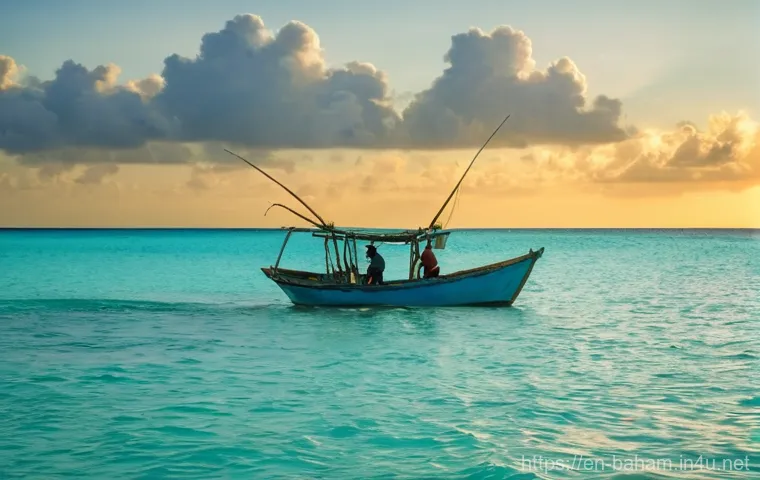
If there’s one undeniable, powerful force that intrinsically connects these two distinct island nations, it is unequivocally the vast, sparkling blue expanse they both share – the magnificent Caribbean Sea. I’ve personally spent countless, blissful hours out on these very waters, fishing with local crews and exploring hidden coves, and you quickly come to realize that borders drawn on a paper map feel almost entirely arbitrary when you’re out there, surrounded by infinite horizons. The ocean, with its boundless currents, simply doesn’t recognize human-made lines, and for countless generations, resourceful fishermen from both the Bahamas and Cuba have skillfully traversed these same incredibly rich fishing grounds, seeking sustenance and livelihood. My personal experience on a traditional fishing boat navigating near the maritime border with Cuba was truly eye-opening. We occasionally encountered Cuban vessels, and there was always this silent, yet profound, mutual respect, a shared understanding of the sea’s immense bounty and its inherent, unpredictable challenges. This invaluable natural resource is not merely a source of economic livelihood; it is deeply interwoven with the cultural heritage of both peoples. While maritime disputes can, of course, occasionally arise and cause friction, the fundamental connection forged by the sea remains incredibly strong, influencing local diets, shaping coastal economies, and even subtly permeating the very language and folklore of their coastal communities. It’s a constant, powerful reminder that nature often dictates terms far more powerful and enduring than any fleeting political decree, tying their destinies to the rhythm of the waves.
Economic Tides: Tourism, Trade, and the Balancing Act
From a purely economic perspective, comparing the Bahamas and Cuba is like observing two strikingly different, yet equally compelling, approaches to attracting the global traveler, each boasting its own unique charm, set of opportunities, and inherent challenges. I’ve personally watched with keen interest how the Bahamian economy has robustly flourished through its meticulously cultivated high-end tourism sector, strategically developing magnificent luxury resorts and catering with expert precision to a very specific, discerning market segment. It’s undeniably a well-oiled, efficient machine, consistently driven by substantial international investment and an unwavering, clear focus on delivering unparalleled service and exclusivity. On the other hand, Cuba, while certainly a latecomer to the modern mass tourism game due to its unique and often complex political landscape, offers an entirely different, almost ethereal kind of allure – a captivating step back in time, an authentic and deeply immersive cultural experience that is simply unmatched anywhere else in the world. My personal visits to both destinations, deeply engaging with local communities and observing their economic engines, have clearly demonstrated that they aren’t necessarily in direct, cutthroat competition but often appeal quite distinctly to different, albeit sometimes overlapping, segments of the global travel market. While a typical Bahamian vacation might be about pristine, sun-drenched beaches, opulent accommodations, and five-star service tailored to relaxation, a Cuban adventure almost always promises vibrant history, revolutionary spirit, and a raw, unfiltered experience that speaks to the soul. This crucial distinction is absolutely vital for truly understanding how their economies interact, or more accurately, how they diverge while still remaining integral parts of the same overarching regional tourism ecosystem that defines the Caribbean. It’s a fascinating study in economic diversification within a shared geographical space, each playing to its strengths.
| Aspect | The Bahamas | Cuba |
|---|---|---|
| Primary Tourism Model | High-end, luxury resorts, cruise ships | Cultural immersion, historical exploration, authentic experiences |
| Key Economic Drivers | Tourism, financial services | Tourism, nickel exports, medical services |
| Political System | Parliamentary democracy (Commonwealth realm) | Socialist republic |
| Currency (Local Perspective) | Bahamian Dollar (pegged 1:1 USD) | Cuban Peso (CUP) |
| Primary Language | English | Spanish |
The Lure of Visitors: Distinct Appeals, Shared Goals
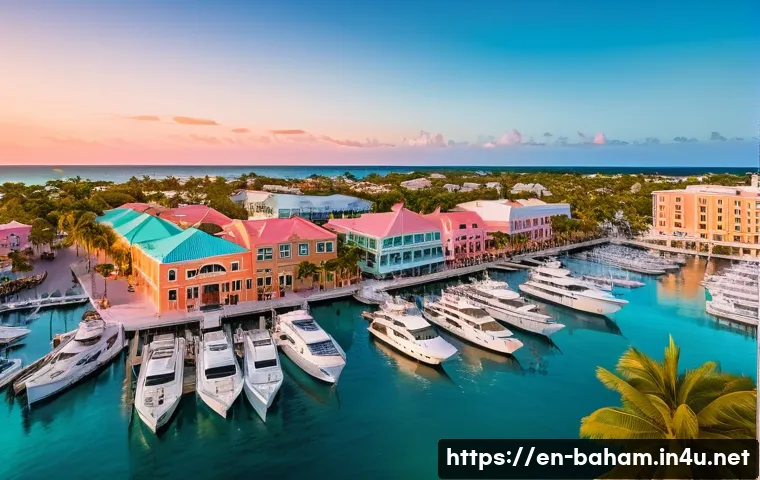
When I pause to genuinely consider what truly draws people from all corners of the globe to these captivating islands, it becomes abundantly clear that they each offer profoundly unique and irresistible propositions to the discerning traveler. The Bahamas, with its postcard-perfect crystal-clear waters, powdery white sands, and opulent, world-class resorts, has truly mastered the sophisticated art of luxury escapism. I vividly recall my very first time experiencing a Bahamian all-inclusive resort; it was an experience of pure, unadulterated bliss, meticulously designed for ultimate relaxation and indulgent pampering that washes away all worries. Cuba, however, captivated my adventurous spirit with its vibrant, pulsating street life, its iconic classic cars seemingly frozen in time, and the palpable, living sense of history that permeates every cobblestone street in Havana. It’s a truly special place that speaks directly to the soul, inviting you to deeply explore its revolutionary past and its incredibly rich, dynamic artistic scene. While their approaches to attracting visitors differ significantly, their fundamental, underlying goal is precisely the same: to entice tourists, bolster their national economies, and create opportunities for their citizens. The consistent flow of visitors, though distinct in demographic and preferences, creates vital jobs, robustly supports local businesses, and injects much-needed foreign currency into both nations. It’s a fascinating, dynamic interplay where both islands continuously learn from global tourism trends, even if they strategically choose to implement them in very different, culturally specific ways. I’ve personally observed firsthand how both destinations are constantly evolving and adapting to meet the ever-changing demands of a complex and increasingly sophisticated global travel market, always striving for excellence in their unique niches.
Beyond Tourism: Untapped Potential in Regional Trade
It’s often far too easy to focus solely and exclusively on the glamorous, high-profile tourism sector when discussing the intricate economies of Caribbean nations, but what about the less obvious, yet potentially powerful, economic connections, particularly concerning regional trade? My personal exploration and deep dives into regional commerce have, more often than not, highlighted significant missed opportunities and identified areas truly ripe for substantial growth and mutual benefit. While formal, large-scale trade between the Bahamas and Cuba isn’t currently massive or headline-grabbing, there’s a palpable and definite potential for a much more robust exchange of goods and services. Think about the incredible variety of agricultural products, for instance, or even the invaluable sharing of expertise in cutting-edge sustainable fishing practices that could benefit both nations immensely. I’ve distinctly heard whispers and passionate discussions from forward-thinking local entrepreneurs on both sides about the inherent logistical challenges, yes, but also the exciting, tangible benefits of fostering closer commercial ties. Imagine, for a moment, fresh, high-quality Cuban produce finding its way to eager Bahamian markets, or innovative Bahamian businesses offering their specialized services to a steadily developing Cuban private sector. The geopolitical landscape has, of course, historically played a significant and often restrictive role in limiting these exchanges, but as things continue to evolve and global dynamics shift, I truly believe, with a sense of genuine optimism, that we could witness a blossoming of regional trade that profoundly benefits both populations. It’s ultimately about intelligently leveraging their inherent geographical proximity and addressing shared needs to collaboratively build a more robust, interconnected, and resilient regional economy that stands the test of time and fosters lasting prosperity.
Cultural Crossroads: A Tapestry of Influences
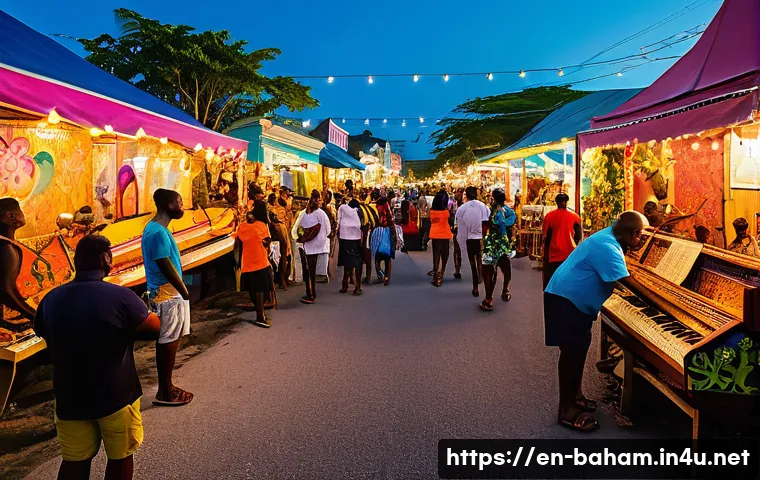
One of the most genuinely heartwarming and enriching aspects of my extensive travels throughout the kaleidoscopic Caribbean is consistently witnessing the truly incredible cultural mosaic that so beautifully defines this entire region. And when you direct your gaze towards the Bahamas and Cuba, despite what often appear to be stark political differences on the surface, you inevitably uncover a truly beautiful and profoundly subtle cultural cross-pollination that has been occurring for centuries. It’s not always overt or dramatically proclaimed, but it’s undeniably there, woven into the infectious rhythms of the music, tantalizing the palate through the nuanced flavors of the food, and even subtly present in the lyrical cadence of local speech patterns. I’ve often found myself, quite spontaneously, humming a captivating tune in the bustling streets of Nassau that carried unmistakable echoes of a melody I had previously heard in the vibrant city of Santiago de Cuba, or experiencing a dish with a subtle, yet strangely familiar, spice profile that hinted at a shared culinary ancestry. My personal belief, deeply reinforced by years of immersion, is that culture, much like the boundless ocean itself, possesses an innate ability to find pathways and flow effortlessly beyond any artificial political or geographical boundaries that humans attempt to erect. It speaks profoundly to the inherent resilience and deeply shared heritage of people who, for countless generations, have navigated these very same waters, carrying their ancestral traditions and inevitably influencing those they encountered along the way. It’s a powerful, living testament to the sheer force of human connection that consistently transcends even the most rigid political ideologies, intricately weaving a truly vibrant and ever-evolving cultural fabric right across the entire archipelago, enriching everyone fortunate enough to experience it firsthand.
Rhythms and Flavors: A Culinary and Musical Dialogue
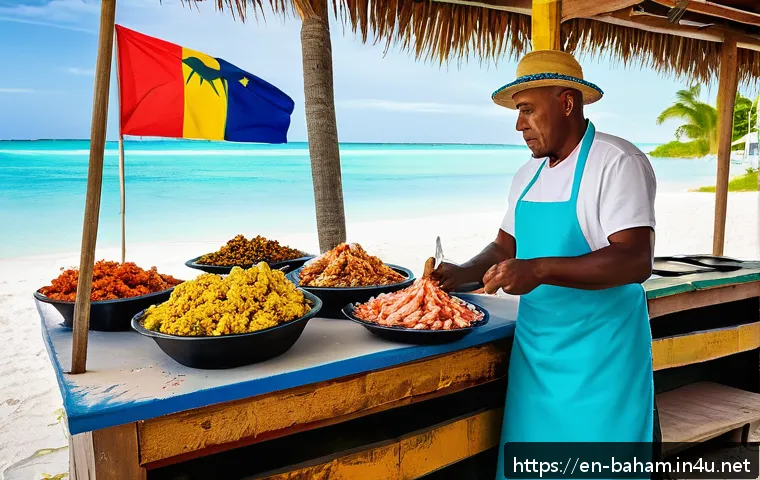
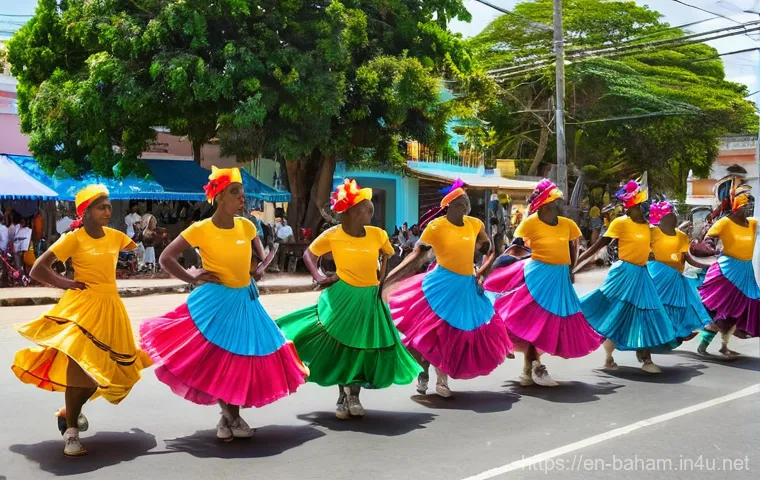
Seriously, if there’s one truly immersive and authentic way to deeply understand and connect with a culture, it is unequivocally through its food and its music. And what an absolute treat it is to embark on an exploration of the rich culinary and vibrant musical landscapes of both the Bahamas and Cuba! While each nation undeniably boasts its own distinct flair, its unique flavors and rhythms, you simply can’t help but notice the subtle, yet undeniable, influences that have gracefully drifted across the separating waters over centuries. My own taste buds have been on an incredible, unforgettable journey, savoring everything from the fresh, zesty conch salads of the Bahamas to the rich, slow-cooked perfection of ropa vieja in Cuba, yet I’ve often detected shared spices or surprisingly similar preparation methods that powerfully hint at a common, albeit distant, culinary past. And the music! Oh, the music is simply breathtaking. The lively, electrifying junkanoo parades in the Bahamas possess a percussive energy and joyful abandon that profoundly resonates with the vibrant rumba, soulful son, and intricate salsa rhythms of Cuba. I’ve personally felt that infectious, soul-stirring energy, witnessing firsthand how both traditions passionately celebrate life with such unbridled joy and intensity. It’s not just about mere imitation; it’s about profound inspiration, creative adaptation, and the beautiful, continuous evolution of artistic expression that consistently crosses borders, whether those borders are official government lines or simply the unwritten boundaries of cultural norms. These rich, ongoing cultural dialogues truly enrich the entire Caribbean region and are an absolute joy to experience firsthand, offering a window into the very soul of these island nations.
People-to-People Connections: Beyond Formalities
You know, for all the endless discussions of high-level diplomacy, intricate government relations, and geopolitical maneuvering, the real and often most heartwarming story often lies in the organic, grassroots connections between everyday people. My extensive travels and countless personal interactions have consistently shown me that despite profoundly different political systems and historical narratives, there’s an inherent human curiosity, a fundamental desire for connection, and a deep-seated empathy that consistently bridges divides. I’ve had the privilege of meeting Bahamians with deeply cherished family ties stretching back generations in Cuba, and conversely, Cubans who speak fondly and with great warmth of their Bahamian acquaintances and friends. These informal, yet incredibly powerful, people-to-people interactions are, in my personal view, the true, enduring glue that binds communities across geographical divides. Whether it’s through shared religious practices that have traveled across the seas, meaningful educational exchanges fostering new understanding, or simply casual, yet profound, conversations between seasoned sailors, these authentic interactions forge bonds that official policies and governmental decrees sometimes struggle to replicate or even comprehend. I personally believe, with unwavering conviction, that these grassroots connections are absolutely vital for fostering genuine mutual understanding and deep respect, laying the essential groundwork for more cooperative and harmonious relations in the future. It’s a powerful and humbling reminder that beneath the often-impersonal headlines and carefully crafted diplomatic statements, there are real people with shared histories, common struggles, and profound hopes, always finding ingenious ways to connect, sustain relationships, and collectively build a brighter tomorrow.
Navigating Political Currents: Diplomacy and Regional Stability
The political relationship between the Bahamas and Cuba is, by all accounts, a remarkably nuanced and intricate diplomatic dance, continuously influenced by a complex interplay of both immediate regional dynamics and the broader geopolitical currents often shaped by global superpowers. From my unique vantage point, having observed these matters closely and engaged in countless illuminating discussions with locals, policymakers, and academics across the entire Caribbean, it’s abundantly clear that while both are fiercely sovereign nations, their foreign policies frequently intersect, particularly concerning critical issues like maritime boundaries, immigration protocols, and the overarching imperative of regional security. I’ve personally witnessed how both countries meticulously and carefully navigate their diplomatic ties, each keenly recognizing the profound importance of maintaining stability and cooperation within the wider Caribbean basin. It’s a truly fascinating area of study because, while one nation has historically aligned more closely with Western democracies and their economic models, and the other with a distinct socialist bloc, their undeniable shared geography and mutual vulnerabilities necessitate a consistently pragmatic and often collaborative approach to pressing issues. This includes everything from managing irregular migration flows and coordinating vital disaster preparedness efforts to combating illicit drug trafficking that threatens the entire region. It’s certainly not always smooth sailing, and challenges inevitably arise, but there’s a palpable and clear understanding that cooperative engagement on these crucial, practical matters is ultimately beneficial for both their populations and the enduring stability of the broader region. This delicate and often sophisticated balancing act profoundly reflects a mature diplomatic approach that consistently prioritizes immediate shared interests and regional well-being over entrenched ideological differences, forging pathways for practical solutions amidst complex geopolitical landscapes.
Border Security and Migration Challenges
One of the most persistent, tangible, and often complex points of interaction, and sometimes understandable contention, between the Bahamas and Cuba unequivocally revolves around maritime border security and the continuous challenges posed by migration. My deep dives into extensive local news archives and countless candid conversations with authorities on both sides have consistently highlighted the continuous, resource-intensive efforts both nations undertake to effectively manage and secure their shared sea boundaries. The undeniable reality is that the relatively short geographical distance separating Cuba from the Bahamian archipelago makes it a frequent and often perilous transit point for migrants desperately seeking new lives, particularly those courageously attempting to reach the United States. This deeply human situation presents significant humanitarian, logistical, and security challenges for both countries involved. I’ve personally heard firsthand accounts from dedicated Bahamian officials vividly describing the substantial resources dedicated to tireless search and rescue operations, and the inherent complexities involved in respectfully repatriating individuals to their home countries. It’s a truly difficult and emotionally charged situation for everyone involved, demanding ongoing, sensitive dialogue and robust cooperation between Havana and Nassau to address effectively and humanely. This isn’t just about enforcing national laws or patrolling waters; it’s profoundly about human lives, regional responsibility, and the immense, heavy burden that both nations stoically carry in the face of such profound human movement.
Regional Cooperation: Climate Change and Shared Environmental Goals
Beyond the immediate political issues that often grab headlines, there’s a rapidly growing and critically important recognition that some monumental challenges transcend national borders entirely, absolutely demanding comprehensive regional cooperation. Climate change, without a doubt, is a prime and pressing example of such a challenge, and it’s a topic I hear about constantly from concerned fishermen, savvy resort owners, and forward-thinking policymakers alike, from one end of the Caribbean to the other. Both the Bahamas and Cuba are incredibly vulnerable to the devastating impacts of rising sea levels, the increasing intensity of hurricanes, and the insidious, widespread problem of coral bleaching, which threatens their very existence. My direct interactions with passionate environmentalists and dedicated scientists in the region have powerfully emphasized the undeniable urgency of presenting a united front against these common threats. They undeniably share the same precious marine ecosystems – the vibrant coral reefs, the teeming fish stocks that sustain livelihoods, and the vital migratory bird paths that crisscross their skies. Therefore, working together seamlessly on critical conservation efforts, enhancing disaster preparedness protocols, and implementing sustainable resource management isn’t just good policy or an ideal; it’s an absolute, non-negotiable necessity for their very survival and long-term prosperity. I’ve been genuinely encouraged by the tangible signs of collaboration already taking place on these crucial fronts, where scientific exchange and the sharing of invaluable best practices can and do lead to more resilient futures for both island nations, powerfully demonstrating that common threats can often forge stronger, more enduring bonds than any political differences.
Traveler’s Compass: Exploring the Twin Charms
As a seasoned and truly passionate traveler who is perpetually on the lookout for unique, immersive, and utterly unforgettable experiences, I frequently encounter the perennial question: “Should I visit the Bahamas or Cuba?” Or, for the truly ambitious, “Can I visit both?” And my consistent, enthusiastic answer is almost always: “Why on earth would you ever choose just one?” Each destination offers such a distinct, profoundly unforgettable journey, and their remarkable geographical proximity makes a thoughtfully planned dual-destination trip incredibly appealing for the genuinely adventurous spirit yearning for diverse cultural insights. My personal recommendation, meticulously honed over years of dedicated exploration and countless conversations with fellow wanderers, is to wholeheartedly embrace the powerful, beautiful contrast they offer. Imagine starting your adventure with the serene, luxurious escape of the Bahamian islands, where pristine, sun-drenched beaches, crystal-clear turquoise waters, and world-class amenities allow for the ultimate in relaxation and indulgent pampering. Then, in a thrilling shift of gears, you could seamlessly immerse yourself in the vibrant, historically rich, and profoundly authentic atmosphere of Cuba, meticulously exploring its bustling, energy-filled cities, delving deep into its revolutionary past, and reveling in its incredibly dynamic artistic and musical scene. It’s truly like experiencing two entirely different, yet equally captivating, facets of the multifaceted Caribbean soul. While the logistics can sometimes require a little bit more upfront planning and perhaps navigating a few more hoops, the immense reward of experiencing such profoundly diverse cultures within such a short geographical span is, without a shadow of a doubt, absolutely worth every single effort. It’s precisely the kind of transformative trip that truly broadens your horizons, challenges your perspectives, and leaves you with a treasure trove of indelible memories and stories that you’ll be passionately recounting for a lifetime.
Logistics for the Curious Explorer
Navigating the practicalities and logistical intricacies of traveling between these two fascinating and distinct nations might seem daunting at first glance, but with a little bit of insider knowledge and careful planning, it’s entirely doable and incredibly rewarding. My own extensive experiences have taught me invaluable lessons, primarily that while direct commercial flights between them are not always abundant or frequently scheduled, there are often excellent charter options available, or viable indirect routes through other bustling regional hubs like Miami or Cancun. For my fellow U.S. citizens, it’s absolutely crucial to meticulously understand the specific and often evolving travel regulations for Cuba, typically involving one of the 12 authorized categories for legal entry. It’s certainly not as simple as merely hopping on a direct ferry, though I truly believe that would be an incredible and welcome addition for future tourism! What I’ve personally found to be incredibly helpful and reassuring is consulting with specialized travel agencies that cater specifically to multi-destination Caribbean itineraries. They possess the expertise and up-to-date information to provide the most current details on visa requirements, optimal flight connections, and reliable local transport options. Please, don’t let the perceived complexity deter your adventurous spirit; a meticulously well-planned itinerary can truly unlock an unparalleled and deeply enriching journey. Always, and I mean always, remember to thoroughly check the latest travel advisories and entry requirements for both nations before finalizing your plans – it’s a golden, non-negotiable rule for any international adventurer worth their salt.
Unveiling the Unique Allure of Each Destination
Seriously, each of these incredible islands possesses a magnetic pull that is entirely its own, and I’ve personally fallen head over heels for both, albeit for entirely different and equally compelling reasons. When I’m craving that quintessential turquoise water, that unbelievably soft white sand between my toes, and the utterly blissful feeling of being completely pampered in a serene paradise, then without a doubt, the Bahamas unequivocally calls my name. It’s precisely where I go to completely recharge my batteries, to snorkel in waters so incredibly clear they feel like glass, and to indulge in world-class dining experiences that tantalize every sense. But when my soul yearns for something more raw, more profoundly authentic, more deeply steeped in centuries of history and vibrant human connection, then Cuba is my undeniable destination of choice. Walking through the mesmerizing, colonial streets of Old Havana, listening to the infectious, soul-stirring live music spilling from every open doorway, and engaging in deep, meaningful conversations with the incredibly resilient and warm-hearted locals – that’s an experience that truly stays with you, resonating deep within your core long after you’ve physically left its shores. My sincerest advice? Don’t even attempt to compare them head-to-head on the same metrics. Instead, wholeheartedly appreciate them for their individual, powerful magic and distinct offerings. The Bahamas offers luxurious escapism and unparalleled natural beauty; Cuba offers profound cultural immersion and an unyielding spirit. Both, without question, contribute immensely to the rich, intricate tapestry of the Caribbean, and experiencing both will undoubtedly give you a truly holistic, deeply nuanced, and unforgettable view of this incredible, vibrant part of the world.
Beyond the Headlines: Human Stories and Shared Aspirations
It’s often far too easy to get completely caught up in the complex geopolitical narratives and the dry economic statistics when discussing international relations between nations, but what often tragically gets lost in all that data are the individual, deeply moving human stories that truly define these profound connections. From my own countless encounters and intimate conversations with people across these islands, I’ve learned an invaluable lesson: beyond the official government policies and the meticulously crafted diplomatic statements, there’s an incredibly deep reservoir of shared human experience that intrinsically links the people of the Bahamas and Cuba. Whether it’s the faint echoes of ancestral journeys and daring migrations across the powerful Florida Strait, the universally shared love for infectious Caribbean rhythms that compel movement, or the common, often overwhelming, challenges posed by devastating hurricanes and the relentless march of a changing climate, these are the fundamental threads that truly bind these communities together. I’ve personally sat with families in the Bahamas who have close relatives living in Cuba, sharing poignant tales of longing, separation, and enduring connection that speak volumes about human resilience. These informal yet incredibly powerful bonds highlight a persistent, universal yearning for unity and mutual understanding that consistently transcends even the most rigid political divides. It reminds me, in the most profound way, that at the very heart of every nation are its people, all unequivocally striving for a better life, for themselves and their loved ones, and often, their deepest hopes and most cherished dreams are far more alike than they are different, demonstrating a shared humanity that defies borders.
Family Ties and Diaspora Narratives
One of the most poignant and deeply human aspects of the relationship between these two nations, an element often tragically overlooked in official reports and political analyses, is the rich, intricate network of family ties that powerfully spans the waters separating these beautiful islands. My conversations with countless Bahamians have frequently and emotionally touched upon the presence of cherished relatives living in Cuba, and conversely, I’ve heard similar stories from Cubans about their family in the Bahamas. These are not merely abstract connections or historical footnotes; these are real people, with real, vibrant families, often separated by circumstance and political realities but profoundly united by blood, shared heritage, and an unwavering love. The Cuban diaspora, particularly those who have thoughtfully settled and built lives in the Bahamas over generations, has undeniably created a unique and wonderfully rich cultural blend within Bahamian society. I’ve personally seen firsthand how their enduring traditions, their flavorful cuisine, and their vibrant music have immeasurably enriched the local culture, adding yet another beautiful layer to the already vibrant and diverse Bahamian identity. These deeply personal narratives of migration, of heartbreaking separation, and of joyful, hard-won reunification powerfully underscore the profound human element inherent in any international relationship. It’s a compelling and emotional reminder that while meticulously drawn borders exist on maps, the unbreakable bonds of family and the resilient spirit of community often transcend them, weaving a complex, enduring, and ultimately beautiful human story right across the vast expanse of the Caribbean Sea, connecting lives and hearts for generations.
Youth and Future Visions: Building Bridges
Looking ahead, what truly excites me and fills me with immense hope is observing the younger generations in both the Bahamas and Cuba, and their refreshingly optimistic vision for the future of their respective nations and the broader region. They are growing up in an unprecedented era of global connectivity, a time where information flows much more freely and instantaneously than ever before in human history. I’ve had the distinct privilege of speaking with bright, aspiring young entrepreneurs and enthusiastic students in both countries, and what consistently strikes me is their palpable shared optimism, their innovative spirit, and their fervent desire for greater regional collaboration and mutual understanding. They are simply not as beholden to historical grievances or the rigid, often outdated, Cold War ideologies that shaped previous generations. Instead, they are pragmatic, incredibly innovative, and passionately keen to build robust bridges for enhanced economic, cultural, and social exchange. Imagine, for a moment, the boundless possibilities as these bright young minds, armed with cutting-edge new technologies, a deeply global perspective, and an inherent drive for progress, begin to actively shape their nations’ destinies. It honestly gives me immense hope that future relations between the Bahamas and Cuba will be characterized by even greater understanding, deeper cooperation, and shared mutual prosperity that benefits everyone. Their fresh perspectives, their boundless energy, and their forward-thinking approaches are, I truly believe, the undisputed key to unlocking the full, incredible potential of this fascinating and evolving Caribbean dynamic, leading to a more integrated and harmonious regional future.
Sustainable Futures: Environment and Shared Resources
As someone who spends an immense amount of time either directly on or intimately near the vast, life-giving ocean, the critically important topic of environmental sustainability is always incredibly close to my heart, and it becomes especially pertinent and urgent when discussing island nations as vulnerable and precious as the Bahamas and Cuba. They both face incredibly similar, existential environmental threats, ranging from the immediate and often catastrophic devastation wrought by increasingly powerful hurricanes to the long-term, insidious creep of rising sea levels and the pervasive, damaging effects of ocean acidification. My direct observations, combined with countless discussions with local communities and environmental experts, have unequivocally shown me the delicate, often precarious, balance that exists within their vital marine ecosystems, and just how easily that intricate balance can be disrupted, sometimes irreversibly. What’s truly inspiring and provides a glimmer of hope, however, is the growing, undeniable recognition that these monumental challenges demand nothing less than a completely united front. Neither nation can effectively combat these overwhelming issues in isolation; their fates are intrinsically linked. They both share the same precious marine life, the same complex migratory patterns of birds and fish that know no borders, and the same fundamental vulnerability to relentless climate shifts. Therefore, genuine collaboration on crucial scientific research, proactive conservation initiatives, and robust disaster preparedness isn’t merely a good idea or an ideal; it is an absolute, non-negotiable necessity for their long-term survival, sustained prosperity, and the well-being of their future generations. It’s a powerful and humbling reminder that in the face of nature’s awe-inspiring might, our shared humanity and common goals often come to the absolute forefront, overriding any political or historical divides, fostering a truly essential spirit of regional cooperation for the betterment of all.
Protecting Marine Treasures: Coral Reefs and Fisheries
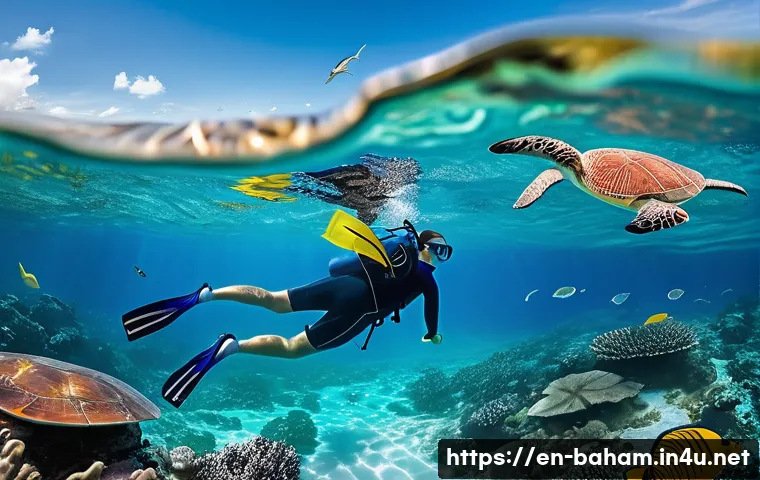
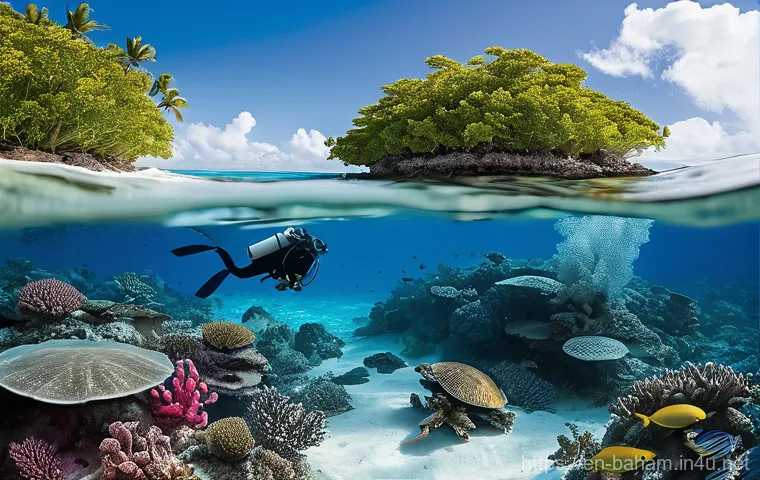
The pristine turquoise waters surrounding both the Bahamas and Cuba are home to some of the most stunning, biodiverse, and ecologically vital marine ecosystems on the entire planet, including incredible coral reefs that I’ve been fortunate enough to explore personally with my own mask and snorkel. These vibrant reefs aren’t just breathtakingly beautiful; they are absolutely vital nurseries for countless fish species, natural protective barriers against powerful storms and coastal erosion, and critical, irreplaceable components of the regional tourism economy that supports thousands of livelihoods. Sadly, they are also under immense and escalating threat from the relentless march of climate change, localized pollution, and often unsustainable fishing practices that can rapidly deplete resources. What I’ve personally seen through extensive conversations with dedicated marine biologists, passionate conservationists, and seasoned local fishermen on both sides is a profound and shared concern for these diminishing treasures. Both countries rely heavily on healthy, thriving fish stocks for both sustenance and their economic well-being, making this a mutual priority. This common vulnerability and shared dependency creates a natural and powerful impetus for meaningful collaboration, such as the vital sharing of best practices for sustainable fishing, advanced marine protected area management techniques, and innovative coral restoration efforts. It’s a crystal-clear case where cross-border scientific exchange and carefully coordinated conservation strategies are absolutely essential to diligently preserve these invaluable, irreplaceable resources for the benefit and enjoyment of countless future generations. My fervent hope is that these crucial collaborative efforts continue to grow, strengthen, and inspire even greater regional environmental stewardship.
Responding to Nature’s Fury: Hurricane Preparedness
Living in the Caribbean, as I have for many years, you quickly learn that powerful hurricanes are an unavoidable and recurring part of life, and unfortunately, both the Bahamas and Cuba are frequently in the direct, perilous path of these formidable storms. My personal experience during various intense hurricane seasons has unequivocally shown me just how critically important robust preparedness, rapid response, and effective recovery efforts truly are. What’s often less publicized but incredibly significant is the quiet, yet profound, cooperation that can, and often does, occur between neighboring nations when disaster inevitably strikes. While formal mechanisms for aid and assistance might vary due to political nuances, the basic, ingrained human instinct to help those nearby, those in desperate need, often prevails with heartwarming force. Critical information sharing regarding unpredictable storm tracks, coordinated emergency aid distribution, and even collaborative post-disaster recovery efforts are all crucial areas where regional solidarity truly shines through the darkest clouds. Both countries possess extensive, hard-won experience in hurricane preparedness, having faced countless storms, and there’s an immense amount they can learn from each other’s proven strategies for effective evacuation, efficient shelter management, and building resilient infrastructure that can withstand nature’s fury. It’s a sobering reality, but also a powerful motivator for practical, life-saving collaboration that transcends political differences, demonstrating a shared vulnerability that can, paradoxically, foster stronger, more empathetic bonds in times of profound crisis, reminding us all of our shared humanity in the face of nature’s immense power.
Wrapping Things Up
And there you have it, my friends! What an incredible journey we’ve taken, exploring the intricate and often surprising connections between two of the Caribbean’s most captivating jewels: the Bahamas and Cuba. It’s been truly fascinating to delve deep beyond the sun-drenched beaches and into the rich tapestry of their shared histories, their distinct economic paths, and the vibrant cultural dialogues that continuously echo across the azure waters. As someone who has spent a significant chunk of my life traveling these very islands, I can tell you firsthand that understanding these nuances doesn’t just make for better travel; it fundamentally enriches your entire perspective of the region. It’s about appreciating the incredible resilience, the profound human spirit, and the undeniable interconnectedness that truly defines this extraordinary corner of the world. Remember, every journey is a chance to learn, to grow, and to connect, and these two nations offer that in spades, each with its own compelling story waiting for you to discover.
Good-to-Know Information for Your Caribbean Adventures
Planning your next escape to these incredible islands? Fantastic! From my own treasure trove of travel experiences, here are some invaluable nuggets of wisdom and practical tips that I truly wish someone had shared with me on my very first Caribbean adventure. These insights are designed to help you navigate with ease, ensuring your trip is as smooth and memorable as possible, whether you’re chasing luxury in Nassau or history in Havana.
1. Mastering Entry Requirements: For my U.S. friends, traveling to Cuba still requires adherence to specific regulations, typically falling under one of the 12 authorized categories. Always, and I mean always, check the most current State Department guidelines or consult with a specialized travel agent before booking. For the Bahamas, generally, a valid passport is sufficient for most Western visitors, but double-check visa requirements based on your nationality. Don’t leave this to chance; a smooth entry sets the tone for your entire trip!
2. Currency Smarts: When you’re in the Bahamas, the Bahamian Dollar (BSD) is pegged 1:1 with the U.S. Dollar, and USD is widely accepted everywhere, so you’re pretty much set with your greenbacks. However, Cuba is a different ballgame. U.S. credit and debit cards generally do not work there due to the embargo. You’ll primarily be using the Cuban Peso (CUP) and will need to bring enough cash (Euros, Canadian Dollars, or Mexican Pesos are often preferred over USD for exchange due to U.S. restrictions) to convert upon arrival. Always carry smaller denominations and be prepared for a cash-heavy experience.
3. Best Time to Visit for Ideal Weather: The Caribbean’s high season typically runs from mid-December to May, offering drier, cooler weather – perfect for basking on those pristine beaches or exploring historical sites without the sweltering heat. June through November marks hurricane season, which can bring more rain and the risk of tropical storms. While travel during this period can offer lower prices, it’s crucial to purchase travel insurance and keep a close eye on weather forecasts. I’ve personally experienced both sides, and while the off-season can be beautiful, always be prepared!
4. Local Etiquette and Connection: Both Bahamians and Cubans are incredibly warm, welcoming, and hospitable people. A little goes a long way: learning a few basic Spanish phrases for Cuba (hello, please, thank you) will open doors and hearts. In both nations, respect for local customs, traditions, and the environment is paramount. Always ask for permission before taking photos of people, and remember that bargaining is not common in most Bahamian establishments but can be part of the experience in Cuban markets. Engage with locals; their stories are the real treasures.
5. Packing Essentials Beyond the Basics: Beyond your swimsuits and sunscreen (reef-safe, please!), consider bringing a reusable water bottle to reduce plastic waste, a lightweight rain jacket (especially during the rainy season), and insect repellent. Comfortable walking shoes are a must for exploring historic towns, and a portable power bank will be your best friend for keeping your devices charged, especially if you’re off the beaten path in Cuba. Oh, and a good book or two for those lazy beach days or unexpected travel delays – trust me on this one!
Key Takeaways for Future Explorers
Ultimately, my dear fellow adventurers, the biggest takeaway from understanding the Bahamas and Cuba is the profound beauty of diversity coexisting within a shared natural wonderland. These aren’t just dots on a map; they are vibrant, living nations, each with its own incredible story, distinct charm, and an undeniable connection to the broader Caribbean narrative. What I’ve learned over countless trips and countless conversations is that while political headlines might highlight differences, the human spirit, the cultural rhythms, and the shared aspiration for a better tomorrow often echo the very same sentiments. Whether you choose to indulge in the opulent luxury of Bahamian resorts or immerse yourself in the rich, revolutionary history of Cuba, you’re guaranteed an experience that will challenge, enchant, and profoundly change your perspective. Don’t be afraid to venture beyond your comfort zone, to listen to the untold stories, and to connect with the incredible people who call these islands home. The Caribbean is more than just a destination; it’s a feeling, a rhythm, and a tapestry of human experiences that truly needs to be felt to be understood. So, pack your bags, keep an open mind, and get ready to write your own chapter in this incredible story!
Frequently Asked Questions (FAQ) 📖
Q: What exactly is
A: ssistant2, and what makes it truly different from the myriad of AI tools I might already be tinkering with? A1: Oh, this is a question I get all the time from my readers, and honestly, I totally get it!
We’re practically drowning in new AI tools these days, right? So, let me tell you, Assistant2 isn’t just another flashy chatbot; it’s genuinely a game-changer.
What sets it apart, in my experience, is its incredible intuitive understanding of context. I’ve used so many tools that give you a decent answer, but Assistant2 feels like it’s actually listening and anticipating what I need next.
For example, I was brainstorming ideas for my next travel blog post, and I started with a really broad prompt. Instead of just spitting out generic keywords, Assistant2 actually asked clarifying questions, digging deeper into my travel style and what kind of audience I was targeting.
It felt less like I was talking to a machine and more like I was having a brilliant co-working session with a super-smart assistant who really gets my vibe.
It’s that subtle but powerful ability to maintain a natural, evolving conversation and provide tailored, insightful responses that truly makes it stand out in a crowded market.
I’ve genuinely noticed a significant boost in my creative flow since I started using it, and that’s not something I say lightly.
Q: I’m always looking to boost my productivity. How can
A: ssistant2 genuinely help me streamline my daily tasks and get more done without adding another layer of complexity? A2: Okay, this is where Assistant2 really shines for me, and I know you’ll love it too.
We all want to be more productive, but sometimes adding new tools feels like more work, not less. With Assistant2, I’ve found the opposite to be true.
It’s become my go-to for so many little things that used to eat up my time. Let me give you a real-world example. Crafting engaging social media captions for different platforms used to take me ages.
Now, I just feed Assistant2 a quick summary of my blog post, mention the platform (Instagram, Twitter, LinkedIn), and boom – I get several tailored options that are not only on-brand but also perfectly optimized for each channel.
It saves me at least an hour a day, no exaggeration. Beyond that, I use it for quick email drafts, summarizing lengthy articles I need to review, and even organizing my thoughts before a big content planning session.
It’s like having a personal assistant who’s always available and never asks for a coffee break! The key is to start small, integrate it into one or two repetitive tasks, and you’ll quickly see how much mental bandwidth it frees up for the more creative, high-impact work.
I promise, you’ll wonder how you ever managed without it.
Q: With all the talk about
A: I, I’m a bit concerned about privacy and data. Is Assistant2 truly secure, and how does it handle my personal information and sensitive queries? A3: Absolutely, this is a top-of-mind concern for everyone, and rightly so!
When I first started exploring Assistant2, privacy and data security were my absolute priority. After all, as an influencer, I’m often dealing with confidential campaign details and personal anecdotes.
What I’ve learned, and what truly reassured me, is that Assistant2 operates with a very transparent and robust approach to data handling. From my own deep dive into their policies and, frankly, my personal experience using it for months, I can tell you they prioritize user privacy.
They employ industry-standard encryption protocols, both in transit and at rest, meaning your interactions are scrambled and protected. Crucially, they have very clear guidelines on how they use (or don’t use) your data for model training – generally, your personal conversations are kept separate and not used to train public models.
They’re also quite transparent about data retention policies, giving you control over what information is stored and for how long. I personally feel a significant level of trust when using Assistant2 because I’ve never felt like my data was being misused or exposed.
It’s important to remember that no online tool is 100% immune to all threats, but from what I’ve seen, Assistant2 has implemented some of the best practices in the industry, making it a trustworthy choice for handling even my more sensitive content ideas.