The Lucayans were the Indigenous people of The Bahamas before European colonization. Learn what historians and archaeology reveal about their origins, daily life, early contact with Columbus, and respectful heritage-travel choices.
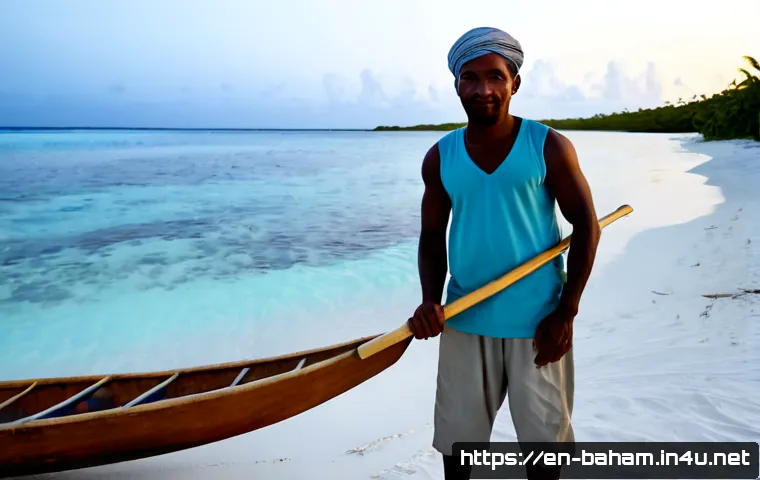
The Lucayans were the Indigenous people of The Bahamas and the Turks and Caicos Islands before sustained European colonization. They belonged to the wider Taíno cultural world, although their communities should not be treated as identical to every Taíno society in the Caribbean.
Their history matters because archaeology, colonial accounts, and later interpretation reveal both a rich island-based way of life and the devastating consequences of European contact. For visitors, the most useful approach is to choose museums, heritage sites, or guided tours that explain their evidence, acknowledge uncertainty, and place Lucayan history in a local Caribbean context.
Many quick travel summaries repeat confident claims that cannot be fully proven. A better heritage experience separates what is supported by archaeological evidence from what remains unknown.
At a Glance
- The Lucayans were the Indigenous inhabitants of The Bahamas and the Turks and Caicos Islands before sustained European colonization.
- They lived through fishing, farming, gathering, canoe travel, and exchange between islands.
- Before booking a heritage activity, check whether it identifies its evidence, uncertainty, and local cultural context.
| Option | Best Use Case | Time Commitment | Typical Cost Factors | Questions to Ask |
|---|---|---|---|---|
| Museum Visit | A short visit or family-friendly introduction | Usually flexible | Admission, special exhibitions, transport | Does the exhibit explain where its information and objects come from? |
| Guided Heritage Tour | Travelers wanting local interpretation and discussion | Set departure and tour length | Guide expertise, group size, transport, site access | Does the guide distinguish archaeological evidence from speculation? |
| Self-Guided Historical Research | Students and readers seeking deeper context | Flexible, often ongoing | Books, museum resources, travel time | Are the sources archaeological, historical, and clearly identified? |
Who Were the First People of The Bahamas?
The Lucayans and Their Place in the Wider Caribbean
The first known inhabitants of The Bahamas are generally called the Lucayans. They are understood as part of the wider Taíno cultural world of the Caribbean. That connection is useful, but it needs care: the Lucayans were not simply a copy of every other Taíno community. Island environments, travel routes, local resources, and community histories shaped their lives in distinct ways.
Where Lucayan Communities Lived
Archaeological evidence indicates that Lucayan communities developed settlements across many Bahamian islands before 1492. They also lived in the Turks and Caicos Islands. Their presence across an archipelago makes sense in the context of canoe travel, coastal resources, and exchange between islands.
The exact pre-contact population size remains uncertain. A responsible history presentation should avoid turning an uncertain number into a settled fact simply because it makes a tour story easier to tell.
What Archaeology Can—and Cannot—Tell Us
Archaeological sites, artifacts, and settlement remains are central to understanding Lucayan life. They can help researchers examine patterns of food use, movement, settlement, and regional connections. They cannot fully recover every detail of language, beliefs, political organization, or individual family history.
Good interpretation names its limits. If a museum panel or guide presents a complete, highly specific account without explaining the supporting evidence, ask what is known from archaeology and what has been inferred from broader Caribbean comparisons.
Daily Life Before European Contact
Food, Fishing, Farming, and Coastal Settlement Patterns
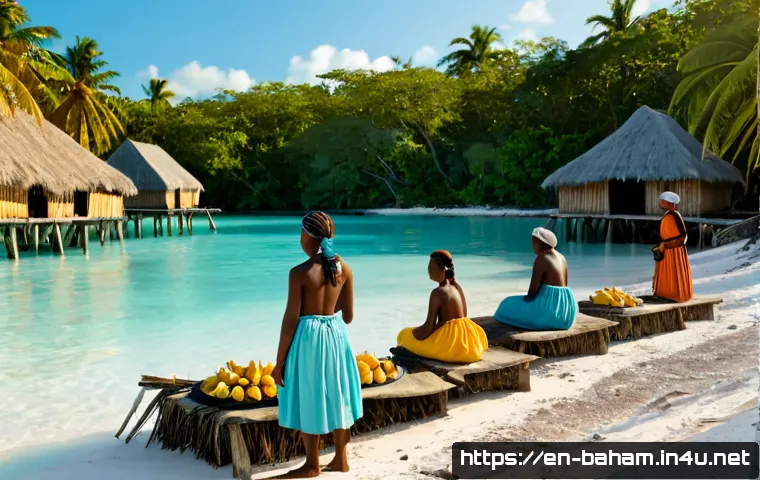
Lucayan communities relied on fishing, farming, and gathering. Coastal settings mattered because they offered access to marine resources and travel routes. Farming and gathering added other sources of food and materials, while settlement choices were shaped by the conditions of individual islands.
It is tempting to describe all islands as having one uniform lifestyle. That shortcut misses an important point: local environments differed. Available resources, shorelines, and connections to neighboring islands could influence how communities organized daily life.
Canoes, Island Connections, and Regional Exchange
Canoe travel connected Lucayan communities with one another and supported inter-island exchange. The Bahamas should not be imagined as a collection of isolated places with no contact. Movement across water was part of life, and regional Caribbean connections matter when interpreting archaeological evidence.
For heritage travelers, this is a useful question for a guide: Does the tour explain the Bahamas as an interconnected island world? A stronger answer will go beyond a single artifact or a simplified “lost civilization” narrative.
Why Island Environments Matter
Environmental context helps explain why archaeology should be read carefully. The Lucayans shared broad cultural connections, but communities responded to the opportunities and constraints of particular islands. A thoughtful museum exhibit or archaeology-focused tour should link objects and settlement remains to landscape, water, food resources, and travel rather than treating artifacts as isolated curiosities.
Columbus’s Arrival and Its Consequences
The 1492 Encounter and the Limits of Surviving Accounts
Christopher Columbus encountered Lucayan people during his first Atlantic voyage in 1492, likely on an island he named San Salvador. The precise location of his first landfall is still debated. That uncertainty is not a minor detail; it is a reminder that historical reconstruction often involves competing interpretations of incomplete evidence.
Forced Removal, Enslavement, Disease, and Demographic Collapse
After contact, European enslavement, forced removal, violence, and introduced disease devastated Lucayan communities. The historic record suggests that the Lucayan population was largely removed from The Bahamas within a few decades of Columbus’s arrival. This was not a natural disappearance or a simple change in tourism-era history. It was tied to colonial violence and displacement.
Why Careful Language Matters
The word “extinct” can oversimplify Indigenous history, ancestry, identity, and cultural continuity. It may describe the destruction of Lucayan communities in their pre-colonial form, but it should not be used carelessly to imply that Indigenous connections, descendants, or cultural questions no longer matter. A respectful account explains what the historical record supports and avoids making broader claims it cannot prove.
How to Evaluate Lucayan History in Museums, Tours, and Travel Guides
What Each Experience Can Offer
A museum can provide a structured introduction through exhibits, artifacts, and historical interpretation. A guided Bahamas heritage tour may add local landscape, conversation, and a clearer sense of place. Self-guided research can offer more time to compare sources, but it requires visitors to judge source quality themselves.

There is no automatic “best” option. The better choice depends on whether you have limited time, are traveling with children, want an archaeology-focused experience, or need reliable material for a school project.
Questions to Ask Before Paying
- Does the guide identify archaeological evidence rather than relying only on legend?
- Does the experience explain what remains uncertain?
- Is Lucayan history connected to the wider Caribbean without treating all Taíno communities as identical?
- Does the description address colonial violence and forced removal with appropriate context?
- Are accessibility, meeting details, group size, and included services clearly explained?
Red Flags to Notice
Be cautious when a travel guide promises secret knowledge, makes absolute claims about disputed locations, or presents artifacts without context. Romanticized stories can also be misleading when they ignore the consequences of colonization. A reputable cultural tour does not need false certainty to be engaging.
Research Tips for Students, Travelers, and Family History Readers
Separate Sources by Type
Archaeology examines material remains and settlement evidence. Colonial records reflect the perspectives and purposes of people writing after European contact. Modern interpretation brings together evidence, comparison, and scholarly judgment. These sources can inform one another, but they should not be treated as interchangeable.
Build a More Reliable Reading List
Look for museum educational material, archaeology-focused resources, and writing that identifies its sources. Be skeptical of copied travel content that offers dramatic claims with no explanation of where they came from. When comparing accounts, note whether a statement is presented as evidence, interpretation, or unresolved debate.
When Local Expertise Adds Value
A local guide or museum educator can add value when they connect history to the place you are visiting and explain how knowledge is built. For a paid heritage excursion, the key issue is not flashy storytelling. It is whether the experience provides clear context, respectful language, and a transparent basis for its claims.
Selection Criteria and Comparison Summary
Choose a museum visit for a concise introduction, especially if your schedule is short or you want a structured family activity. Choose a guided heritage tour when local interpretation, questions, and landscape context are your priorities. Choose self-guided research when you need more depth and can spend time comparing evidence.
Before deciding, check guide expertise, cultural context, group size, accessibility, transport arrangements, and how clearly the activity handles uncertainty. Also ask whether the experience explains the Lucayan past as part of a wider Caribbean history rather than as a disconnected tourist story.
For an archaeology-focused tour or museum program, review the official activity page for current details, access conditions, and the type of historical interpretation offered.
In Closing
The Lucayan story is essential to understanding The Bahamas before European colonization. Archaeological evidence shows communities connected by island life, fishing, farming, gathering, canoe travel, and exchange. It also documents a history interrupted by colonial violence, forced removal, enslavement, and disease. The most respectful way to learn more is to value evidence, acknowledge uncertainty, and avoid simplistic stories of disappearance.
Useful Things to Know
1. The exact size of the Lucayan population before 1492 is uncertain.
2. Columbus’s first landfall location remains debated.
3. Not every detail of Lucayan language, beliefs, and political organization can be reconstructed.
4. “Taíno” is a useful regional context, not a reason to erase local differences.
Important Notes
Lucayan history is reconstructed from archaeological evidence, surviving records, and regional comparison. Each source has limits. Museum displays, travel guides, and tour descriptions should be checked for dates, access, and current program details before a visit. Avoid treating confident claims about disputed subjects as settled fact unless the supporting evidence is clearly explained.
Frequently Asked Questions
Q1. Who were the Lucayan people of The Bahamas?
A1. The Lucayans were the Indigenous inhabitants of The Bahamas and the Turks and Caicos Islands before sustained European colonization. They are generally understood as part of the wider Taíno cultural world and relied on fishing, farming, gathering, canoe travel, and inter-island exchange.
Q2. Are there Lucayan archaeological sites that visitors can see in The Bahamas?
A2. Archaeological sites and settlement remains are important sources for Lucayan history, but visitor access and interpretation can vary. Check current official museum, heritage-site, or local cultural information before planning a visit, and ask how the site’s history is documented.
Q3. Is a guided Bahamas heritage tour worth the cost compared with visiting a museum independently?
A3. A guided tour may be worthwhile if it offers knowledgeable interpretation, local context, and clear discussion of evidence and uncertainty. A museum visit may be the better value for a flexible, self-paced introduction. Compare the guide’s expertise, group size, access details, and the historical depth offered before choosing.